Rolling Technique: Static vs Dynamic
Two approaches to rolling, one frame at a time.
Early on a cold November morning, the fog on the water hides Bob's kayak. I see only Bob, frozen in a pre-roll crouch above the fog. Then he tips over, slowly, like a man lowering himself into a bath he doesn't trust, and disappears. Seconds later he rises, already lying back on the deck, arms flung wide, one hand still holding the paddle, and stays there, still as a pinned butterfly.
A year ago I wouldn't have bet on any of this. Bob is coming back from a hip replacement, after years of trouble with his back, shoulders and knees, and his belly makes it hard to fold forward. For most of that year I spotted him as he relearned the storm roll, which asks for exactly that fold. I didn't think he'd get it.
He surprised me. He got it.
Then he surprised me again. I had always held it as an article of faith that a layback roll needs a balance brace. Bob doesn't have one. He does his layback rolls just fine anyway. Some magic happens under the water, and he comes up with body and kayak turning as one, like a log.
Not me. I'm from the Cheri Perry school: I float out on the water first, whisper "Come!" and the boat slides up under me. Watching Bob, I wondered, for a moment or two, whether we need the balance brace at all.
Bob's log roll
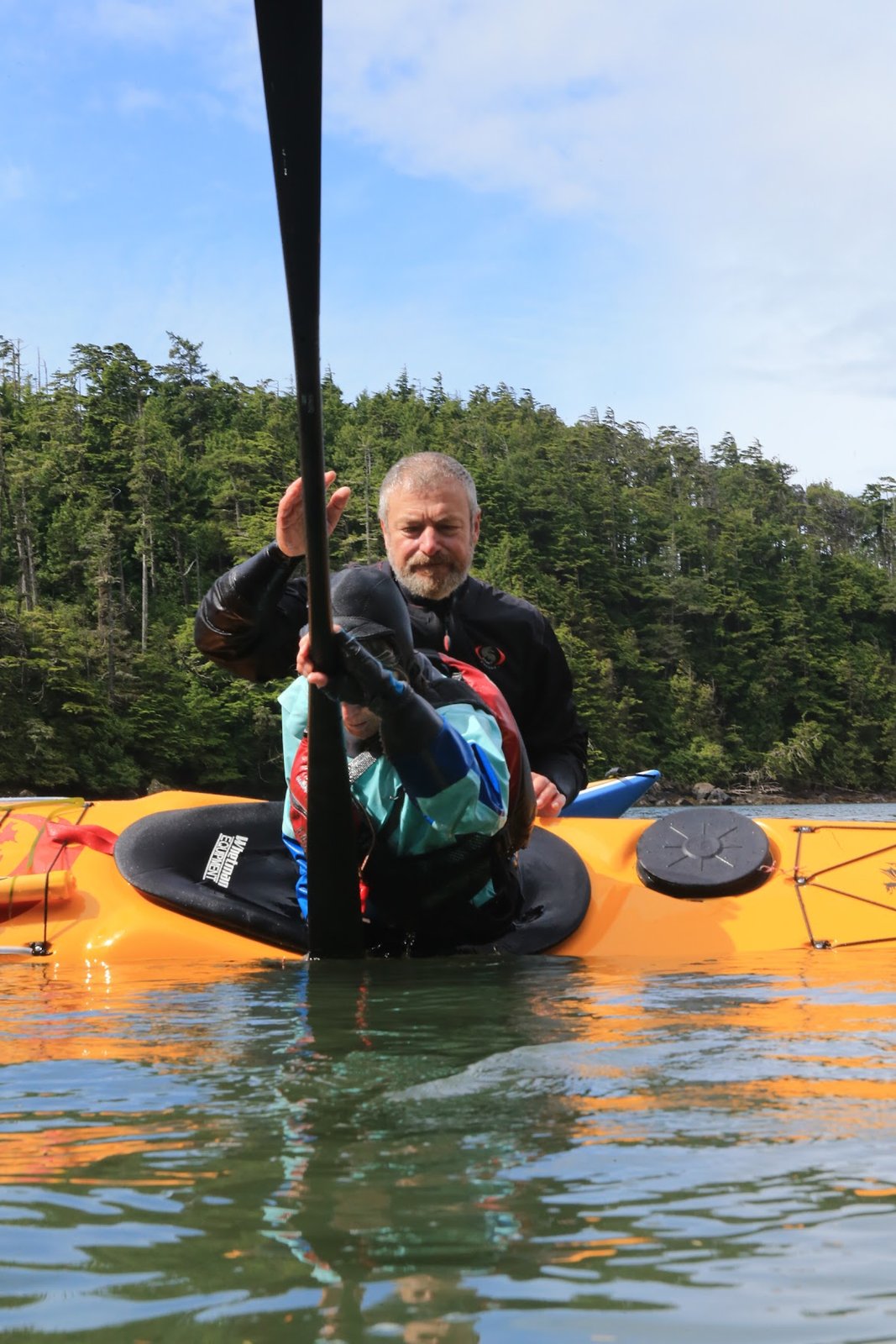
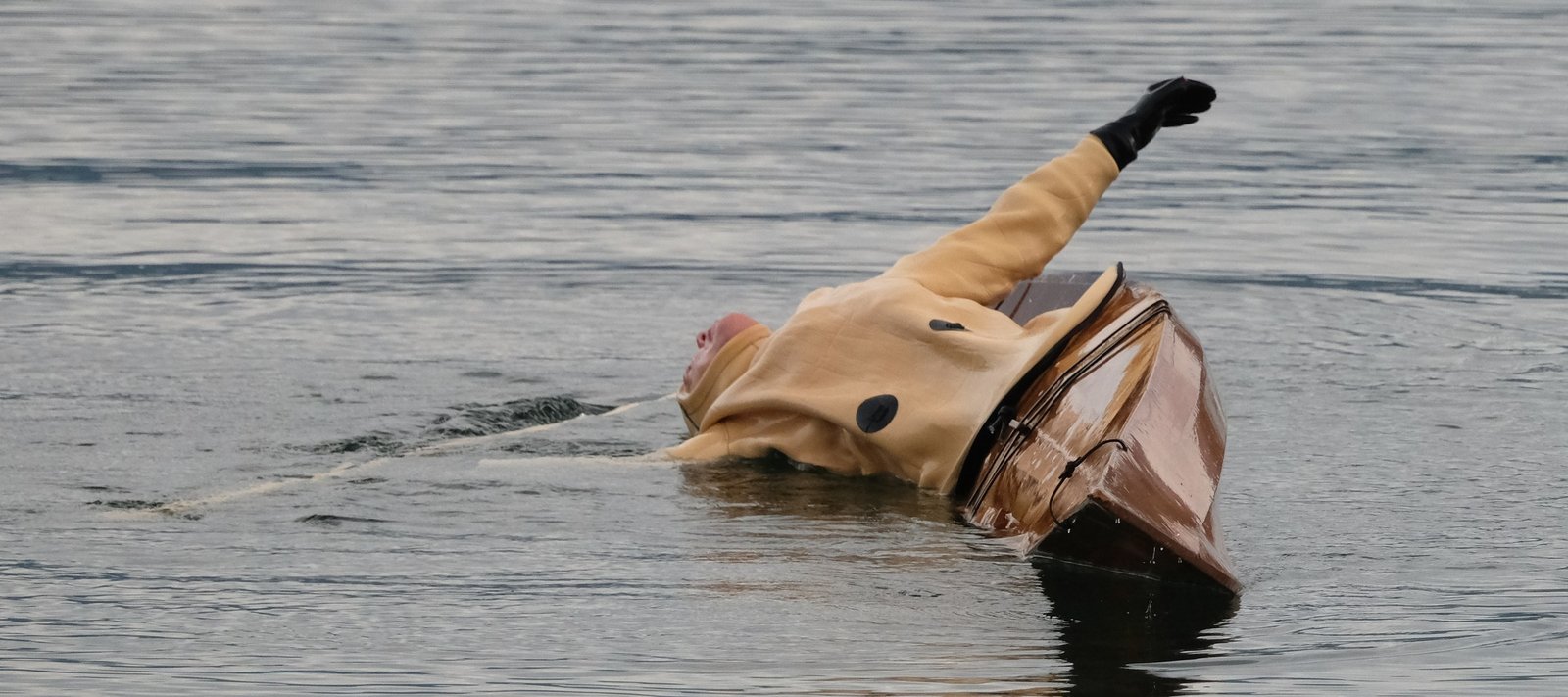
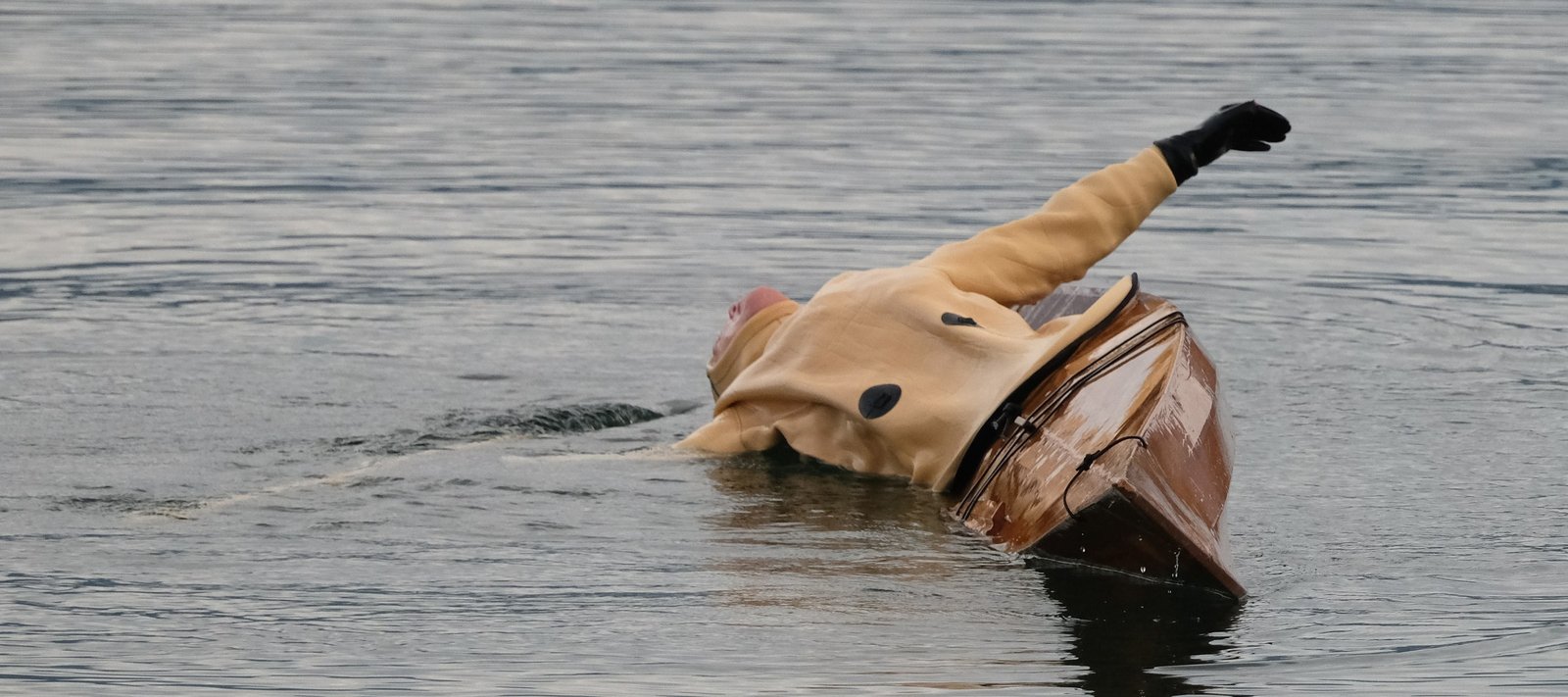
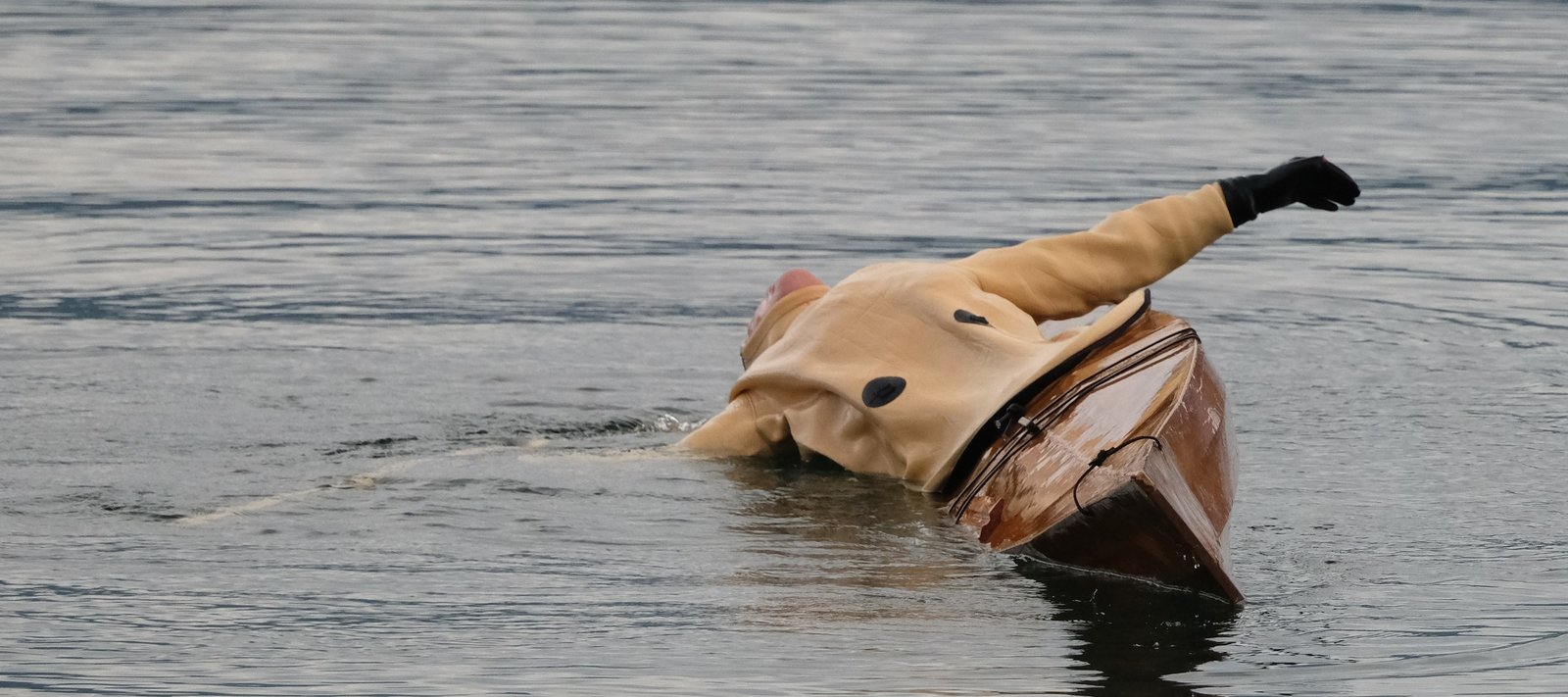
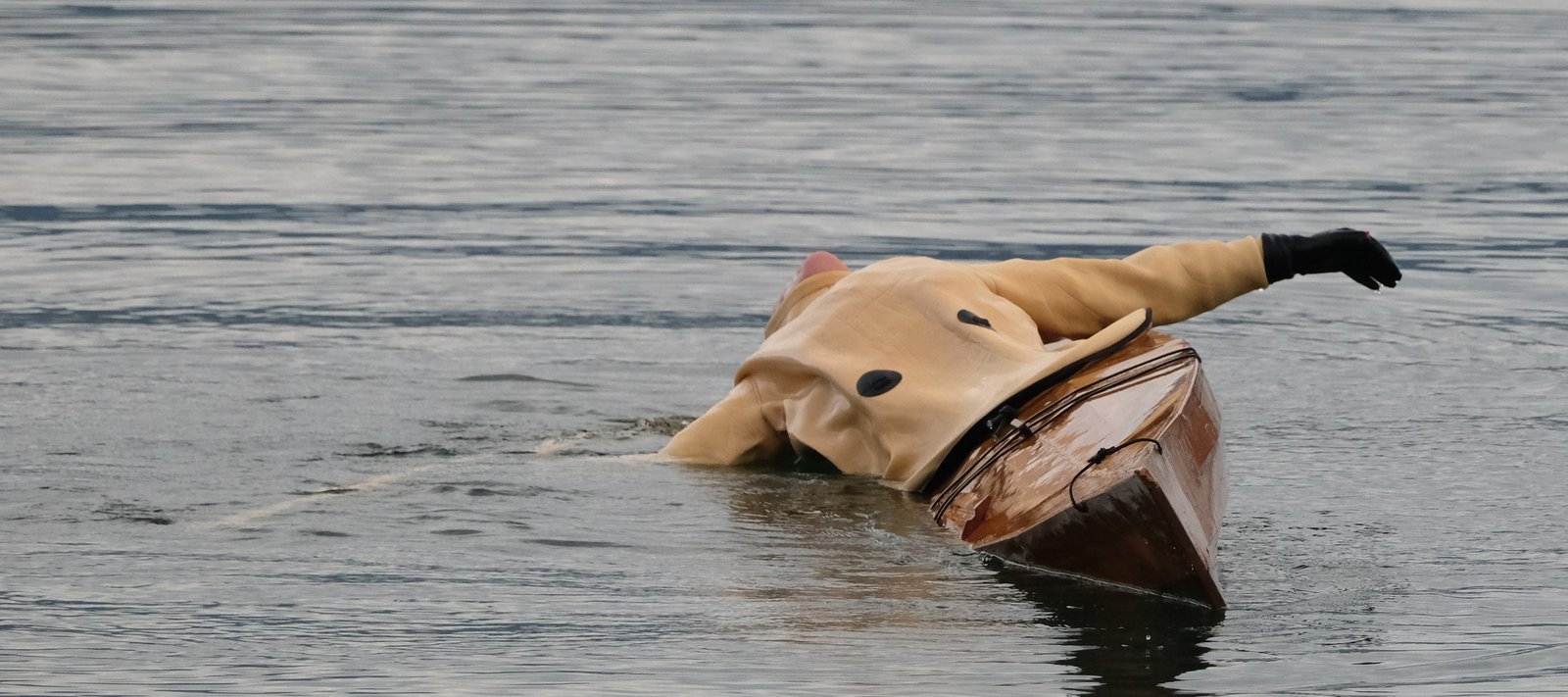
Bob tucks and goes over, and for about half a second there's nothing but hull. When his arm and paddle break the surface, the boat is already turning, and his body comes up pressed against it, never floating out on its own. By the time his head is up, he's lying on the back deck with his paddle out at about seven o'clock. There's no balance brace anywhere.
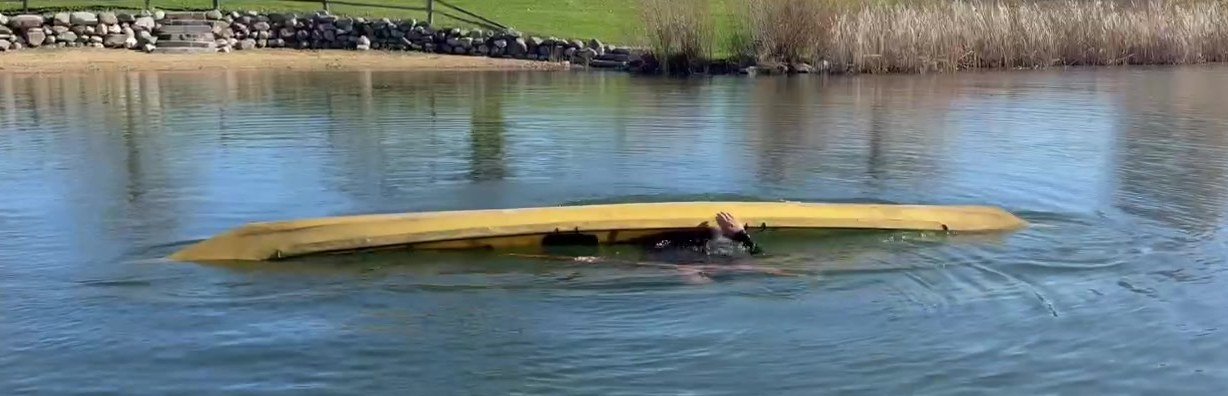
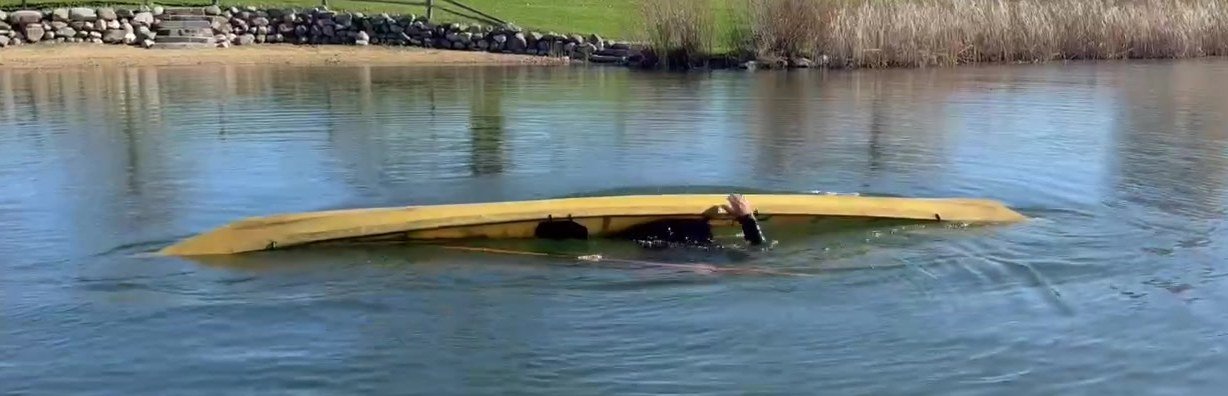
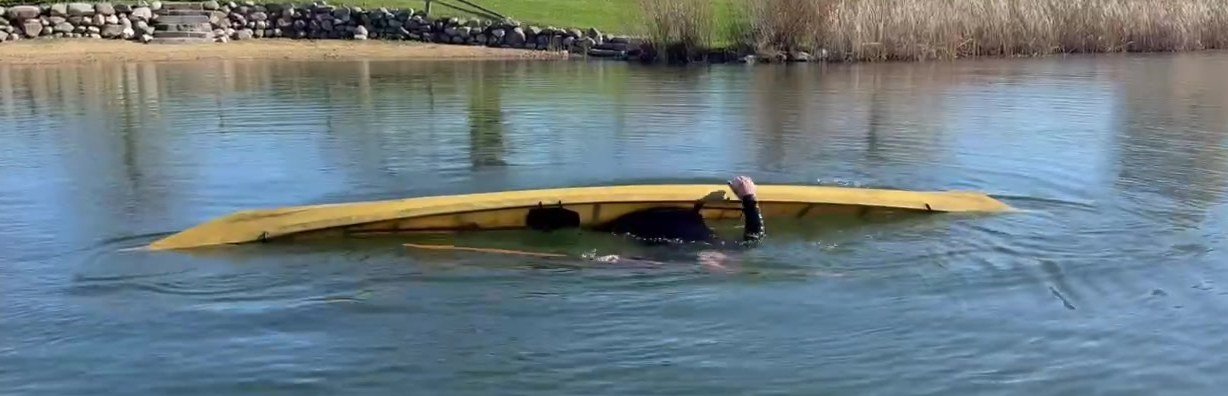
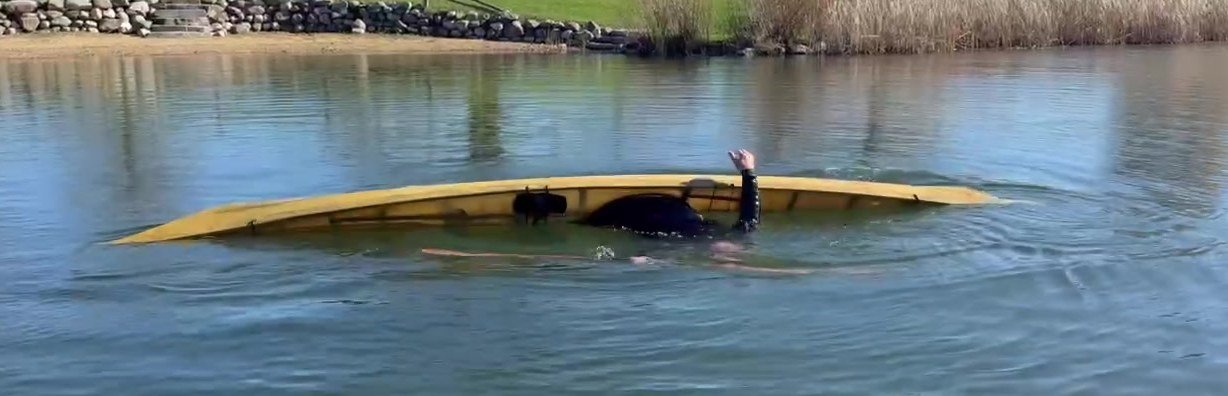
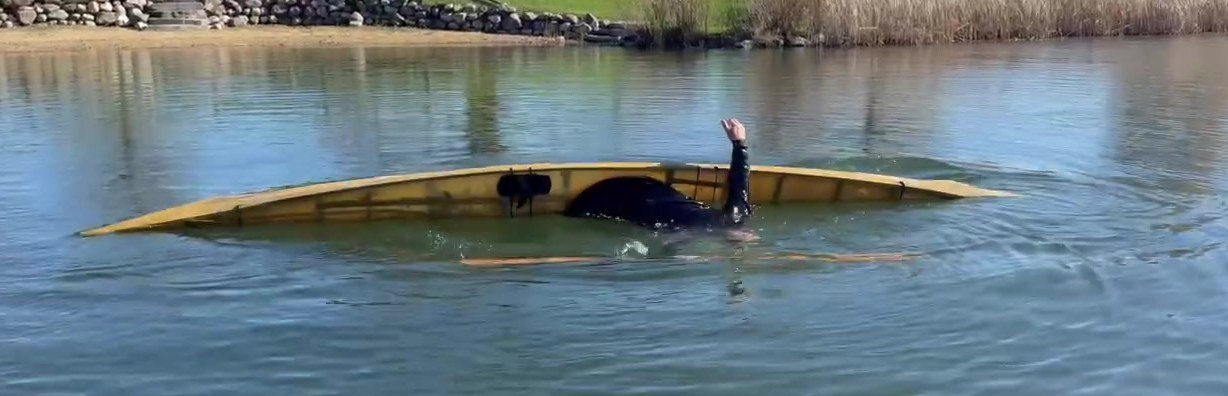
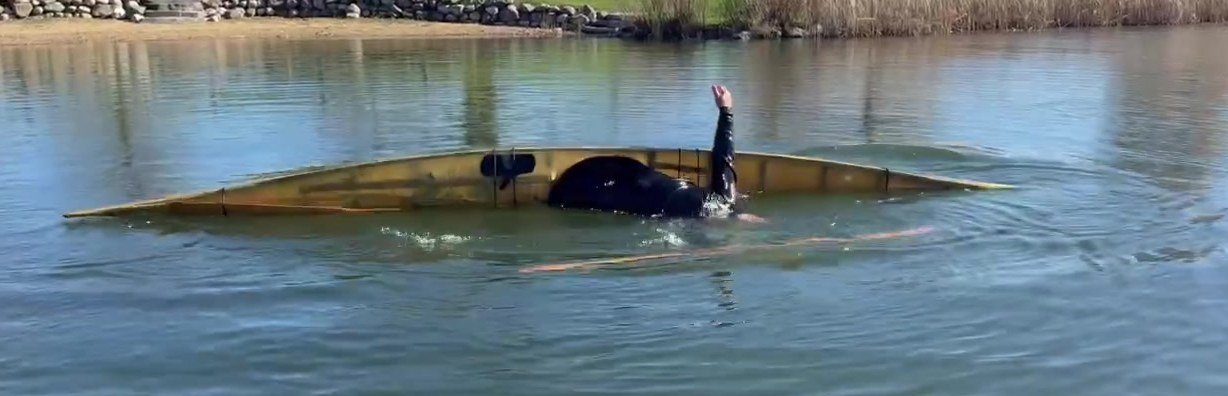
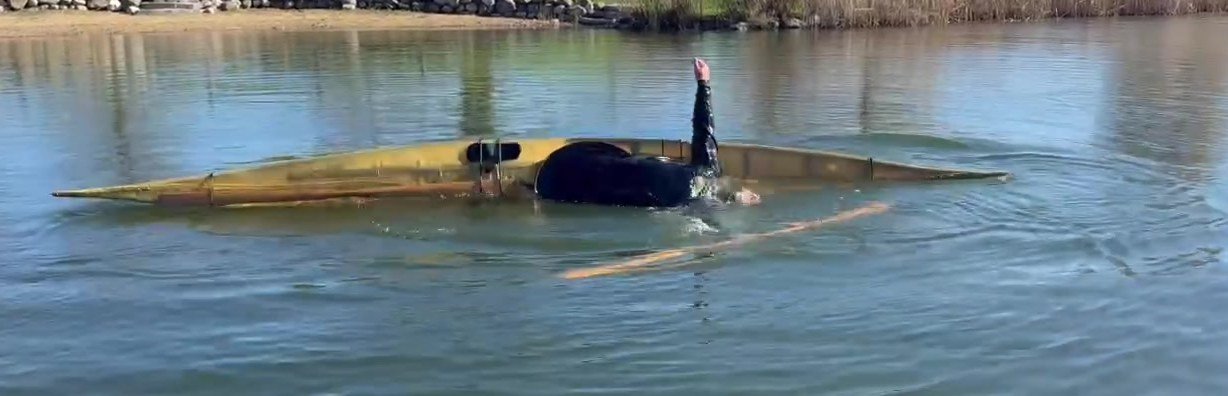
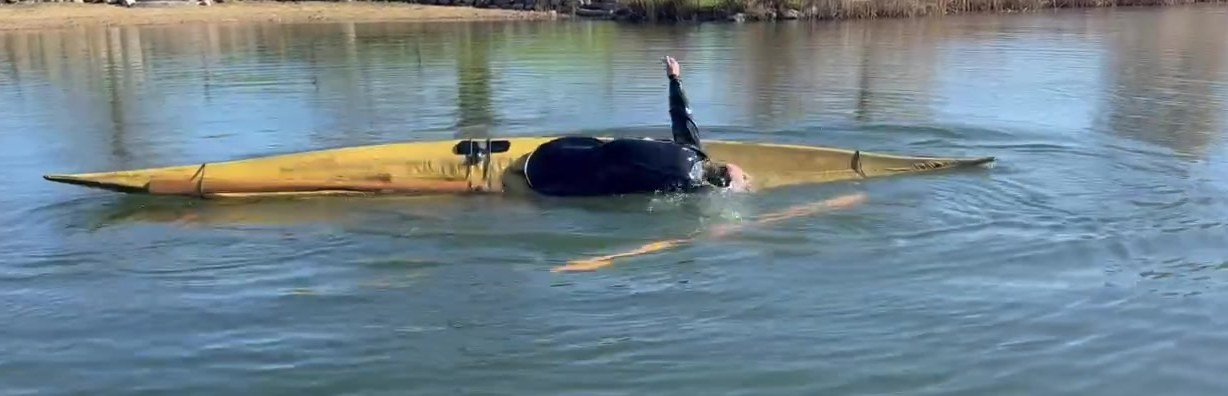
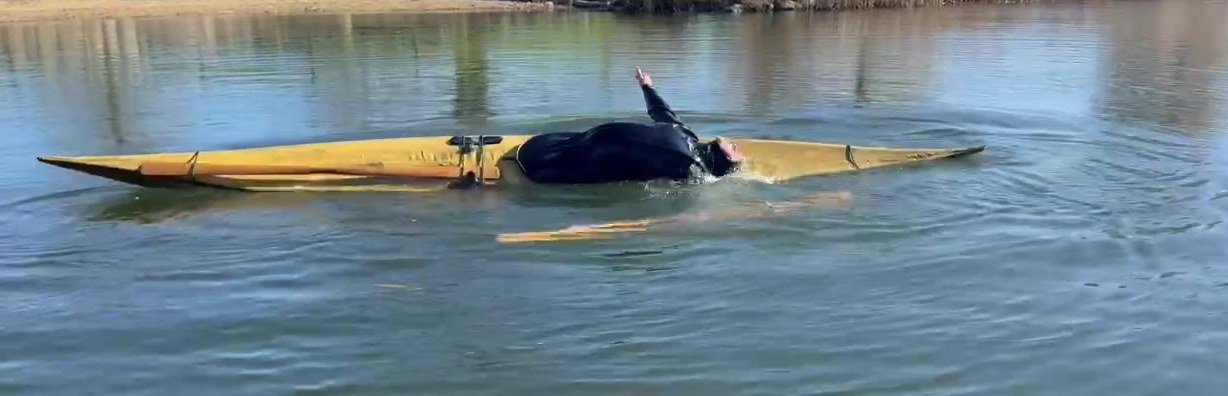
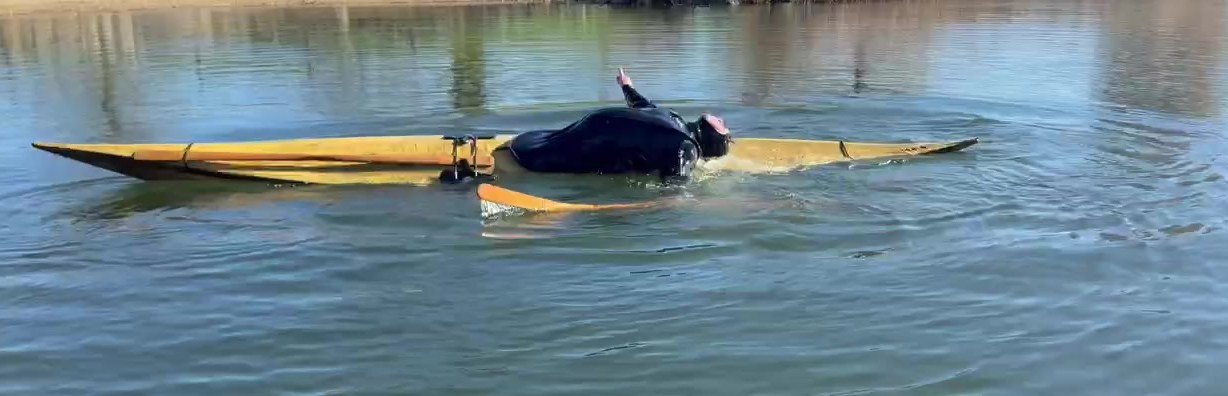
Replaying in my head the rolls I’ve watched for years, I began to see them differently. Some rollers never stop moving: one continuous motion from capsize to sitting up, too quick to catch even when you hit pause, and apt to capsize again if they pause on the water. Others can stop almost anywhere, float, and carry on when they're ready.
Talking it over with my friends Patrick and Chessy, we settled on two names, dynamic and static, loosely appropriated from climbing jargon.
Most rollers fall somewhere in between. Bob's roll, I realized, is dynamic in its purest form. He stays glued to the back deck underwater, where it costs him the least effort and keeps his weight low coming up. A leg drive does the rest.
Most of us learn layback rolls as a ladder: first the balance brace, then the standard and butterfly rolls, and on up to the straitjacket roll, the most constrained of them all. Static rolling leans on the water at every moment. It asks for flexibility and control, and in return lets you stop and relax halfway. Dynamic rolling uses strength to get past buoyancy instead of working with it, and it forgives nothing: hesitate halfway, and you're back upside down, eye to eye with a surprised fish.
The least skilled rollers and the most skilled both tend to roll dynamically, for opposite reasons. Beginners are in a hurry to get out of the water. That's why we coaches, standing in the water right beside them, keep repeating the same three things: Slow down! Relax! The water is your friend! We want them to let it hold them up.
Experts in the most advanced rolls, have little left to lean on. Like the Black Knight in Monty Python and the Holy Grail, they lose the paddle, then the norsaq, then the fist, until all that's left is a torso insisting it's only a flesh wound. But the true masters can roll either way. They simply choose. In between, most of us lean one way or the other. Near the top, as I would find out, the two styles start to converge.
To illustrate all this, I dug out crayons and charcoal and drew a few animated GIFs. Patrick took one look at my scribbles, said "Nah," and suggested shooting it frame by frame, on the water. He grabbed his camera and the SSTIKS replica of CMC-IV-A-483*, and handed the rolling over to Chessy.
She is a loyal student of the Cheri school, and she practices what she teaches. That's what the finest mentors do, and the PNW has few better. One day her elbow roll stopped working, and she realized how much it had been running on momentum. Frustrated, she asked around. Then she went back to basics. "I spent a practice session just coming up in balance brace," she says. "It helped the roll immensely."
It also helps that Chessy is impossibly flexible, which is exactly what static rolling asks for. Whenever she swings onto the back deck in her hand roll, I'm half afraid her small, nimble upper body will twist free and fly off into the sky.
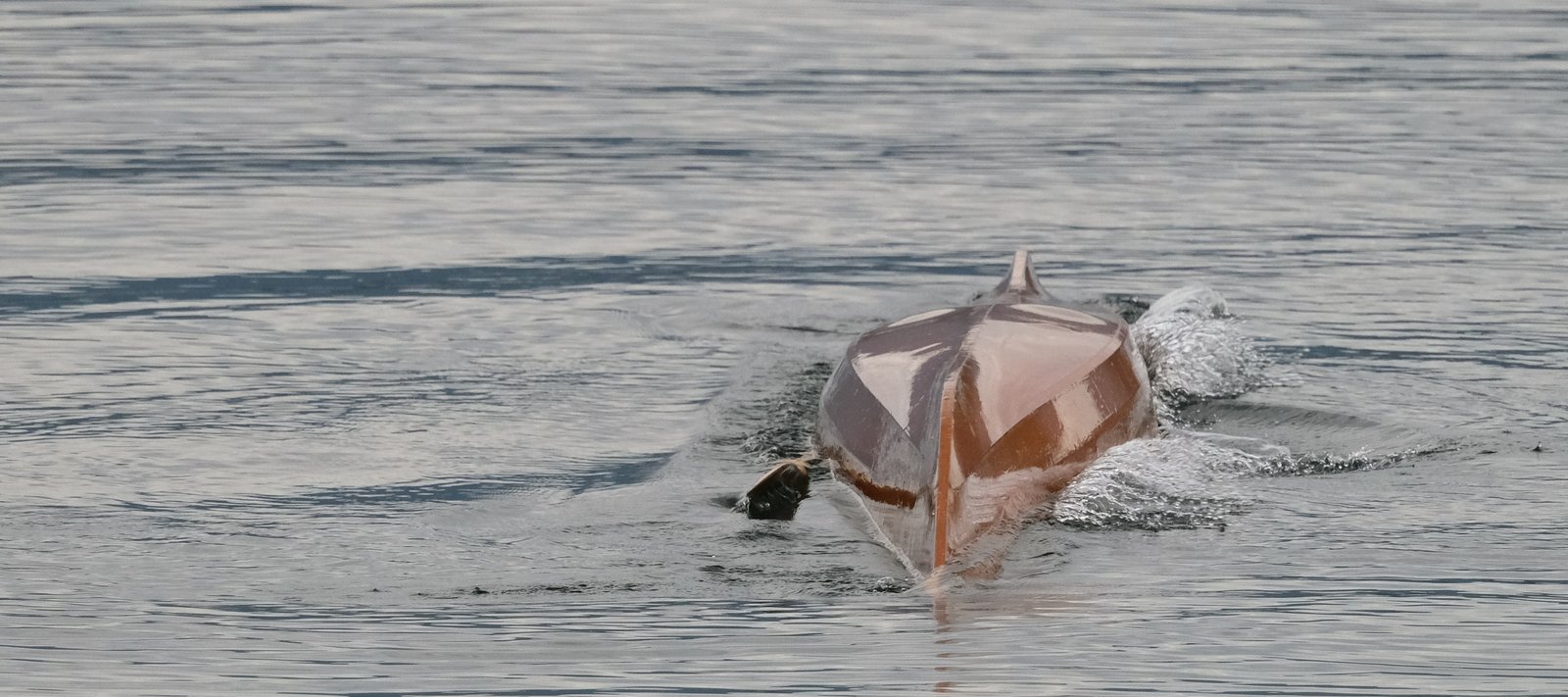
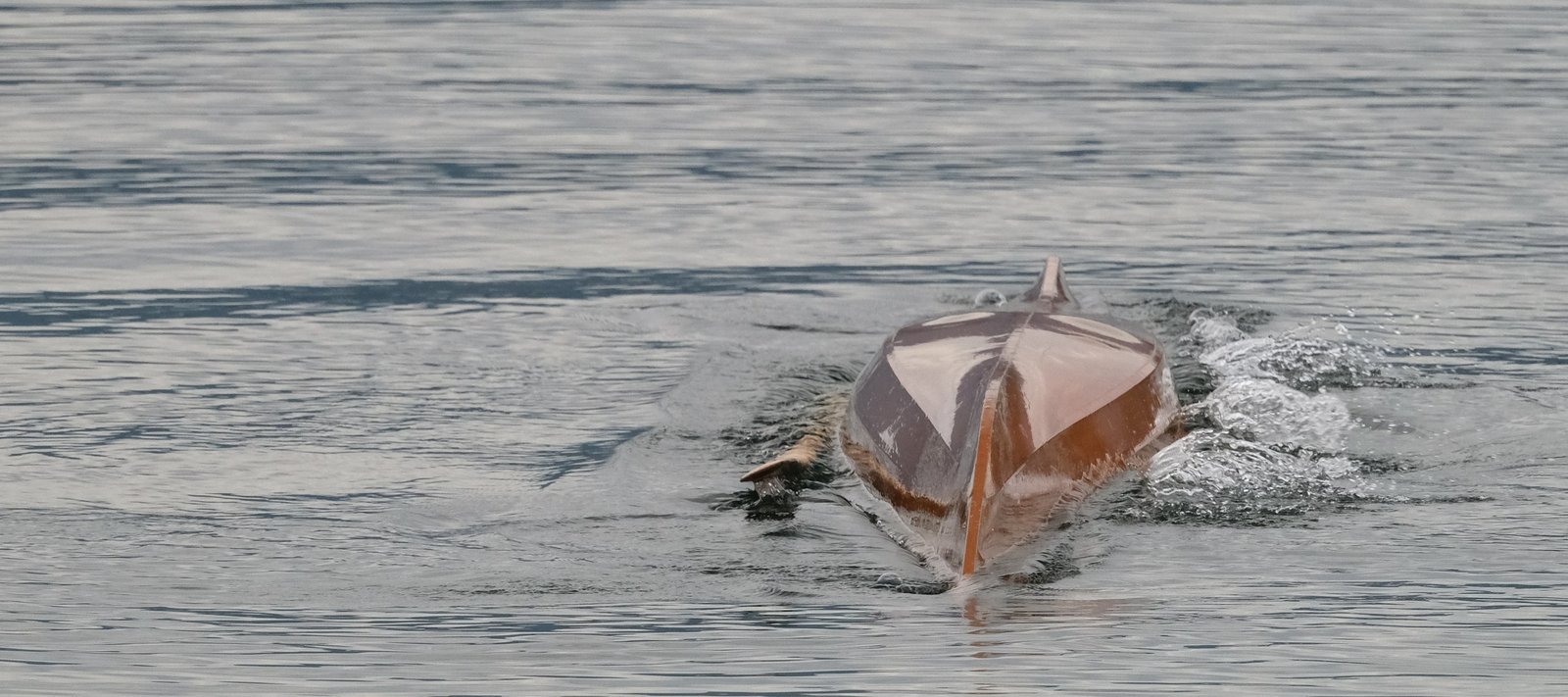
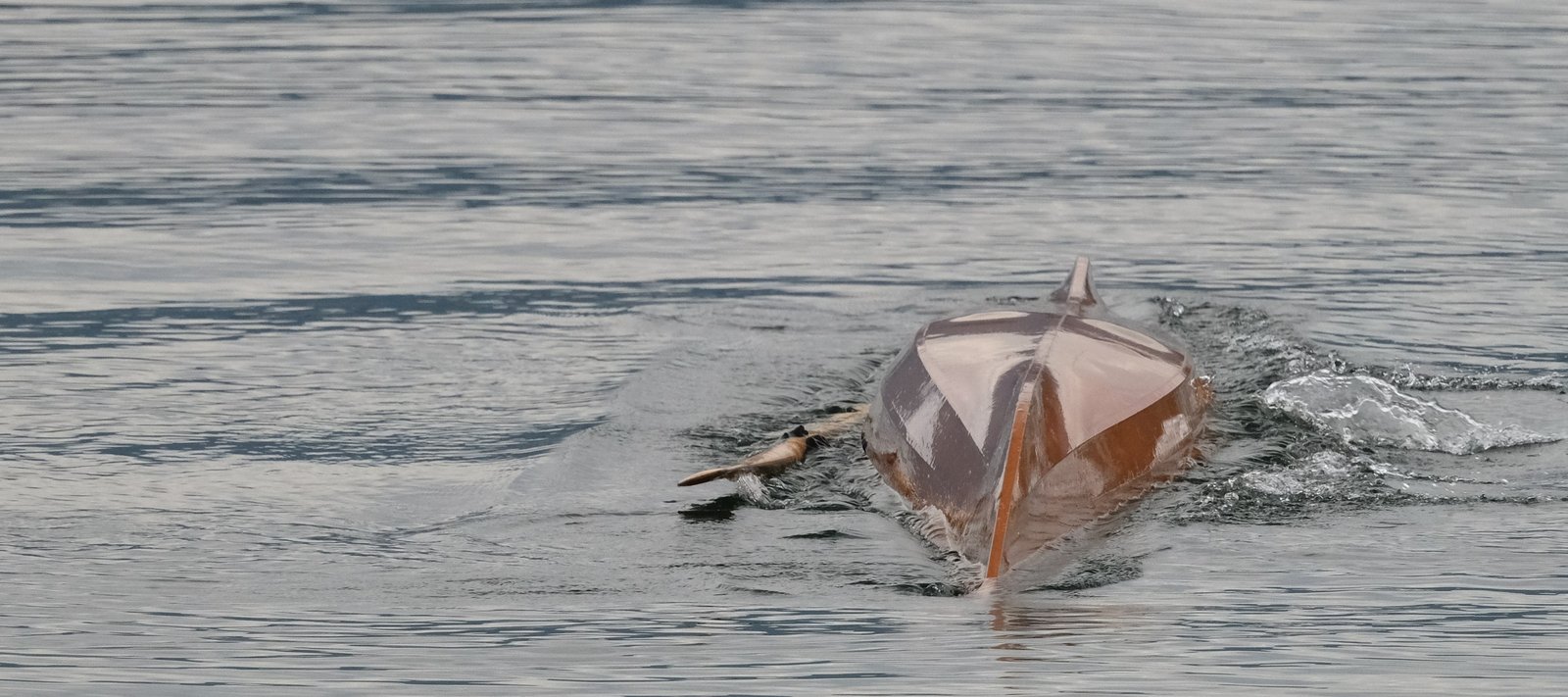
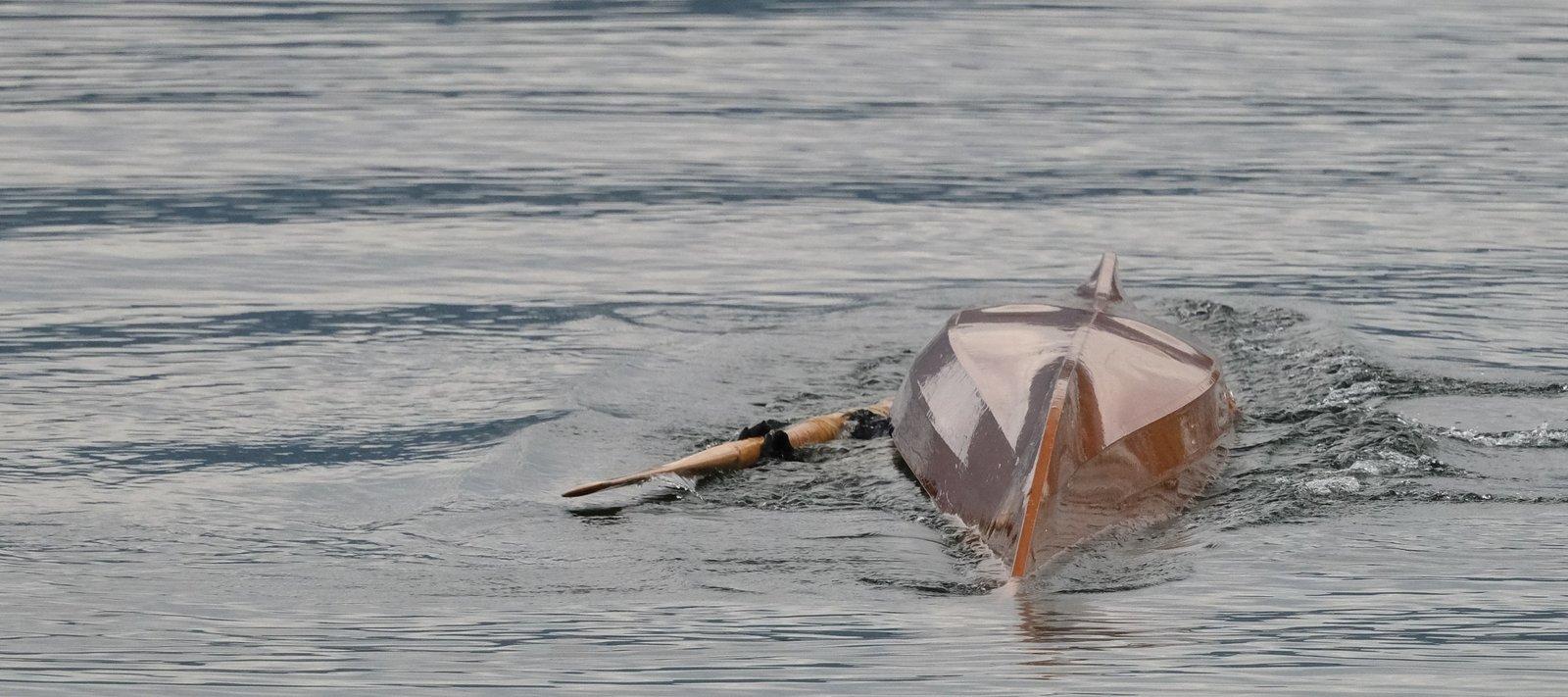
For the camera, she did the butterfly roll twice. The first time she used the dynamic movement, and it was over in about three seconds. The second time she stopped halfway in a balance brace and simply floated there before coming up. That one took about seven seconds, but it could have taken as long as she liked.
Click on any of the frames below to pull it up in a full-screen viewer. Step through the frames with your mouse (tap on mobile) or use the play button to step through slowly.
Dynamic
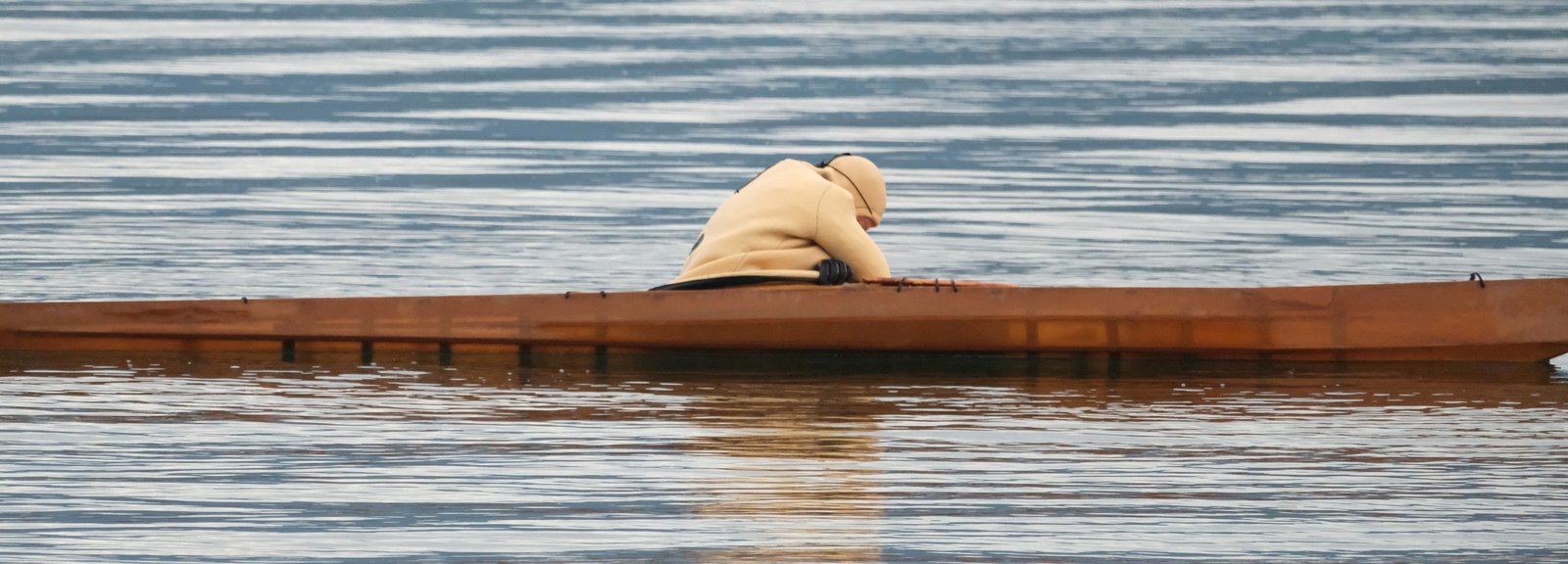
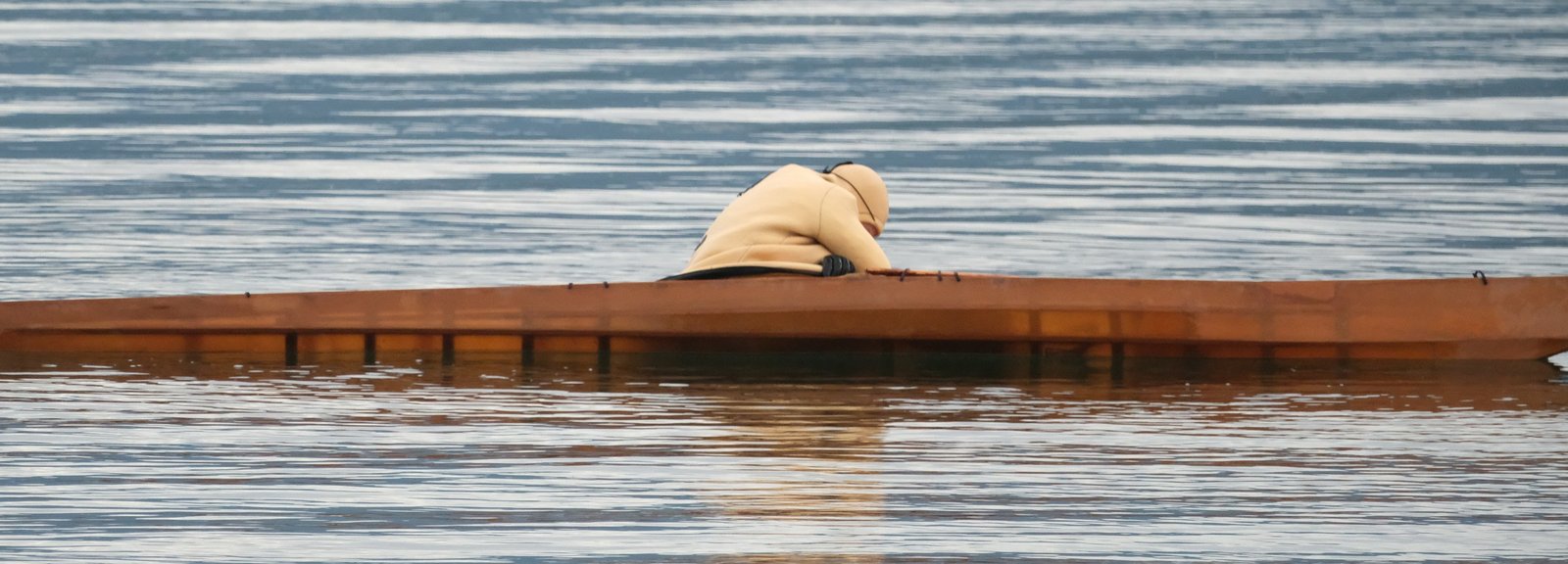
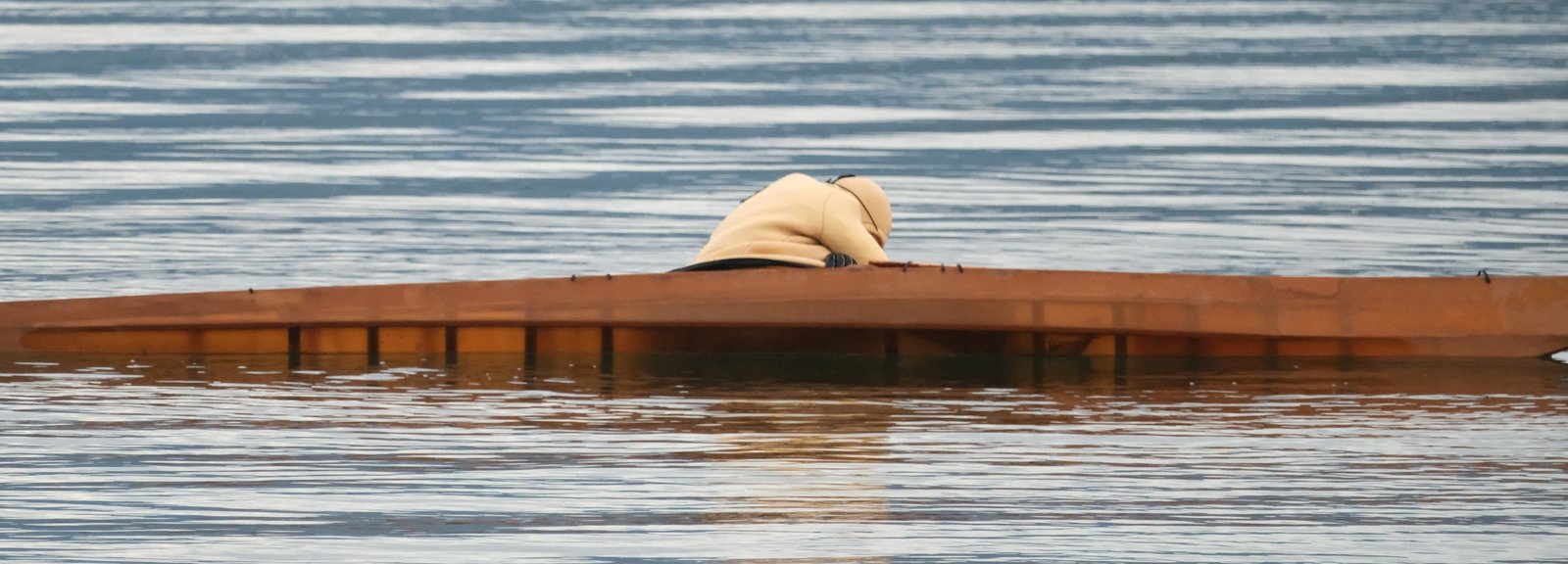
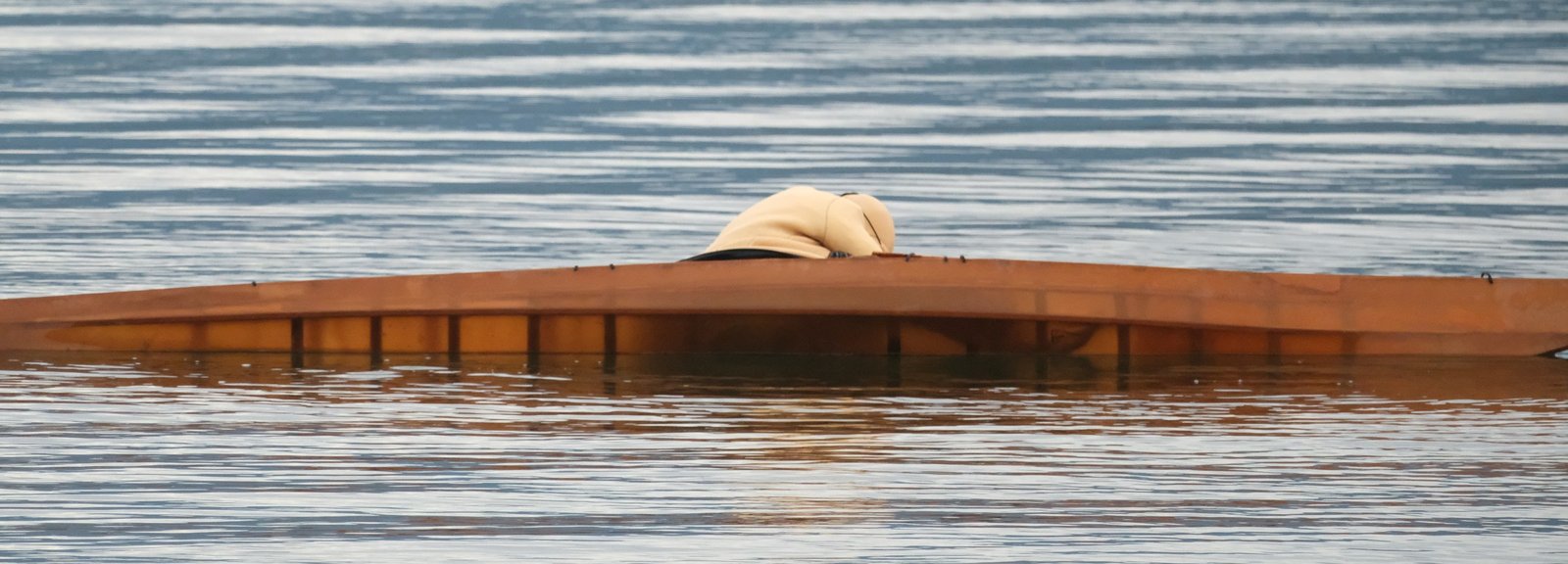
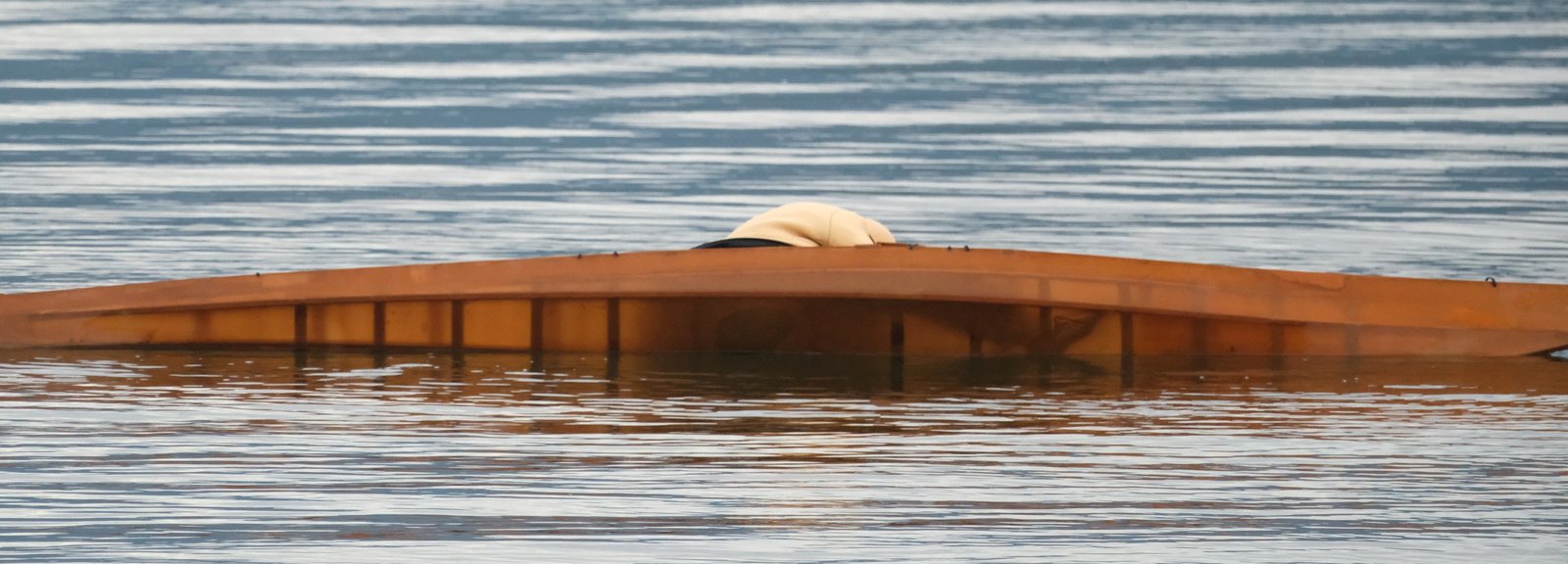
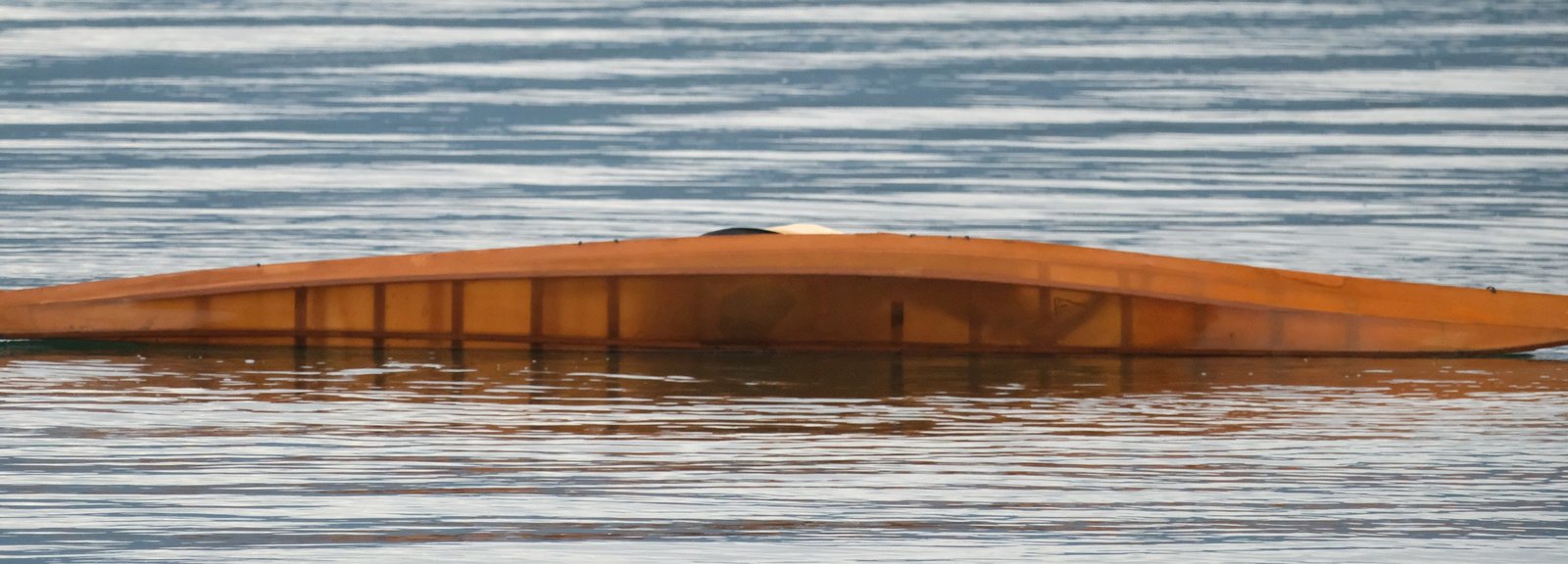
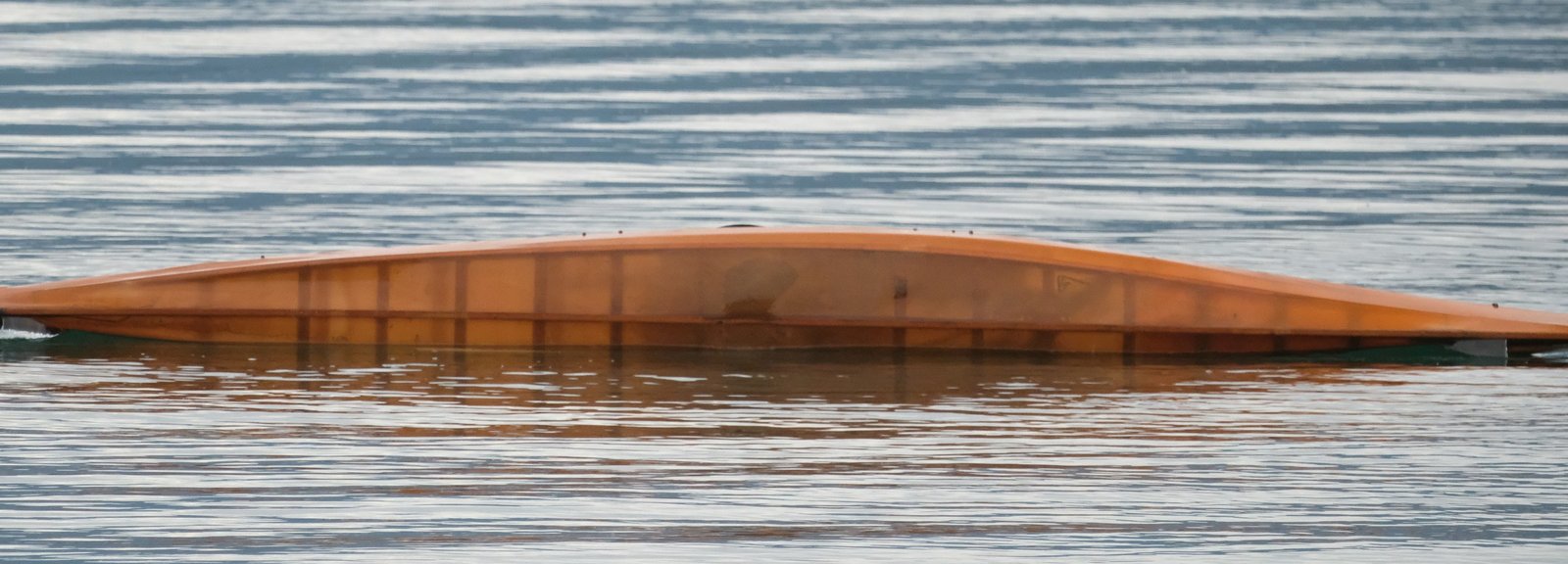
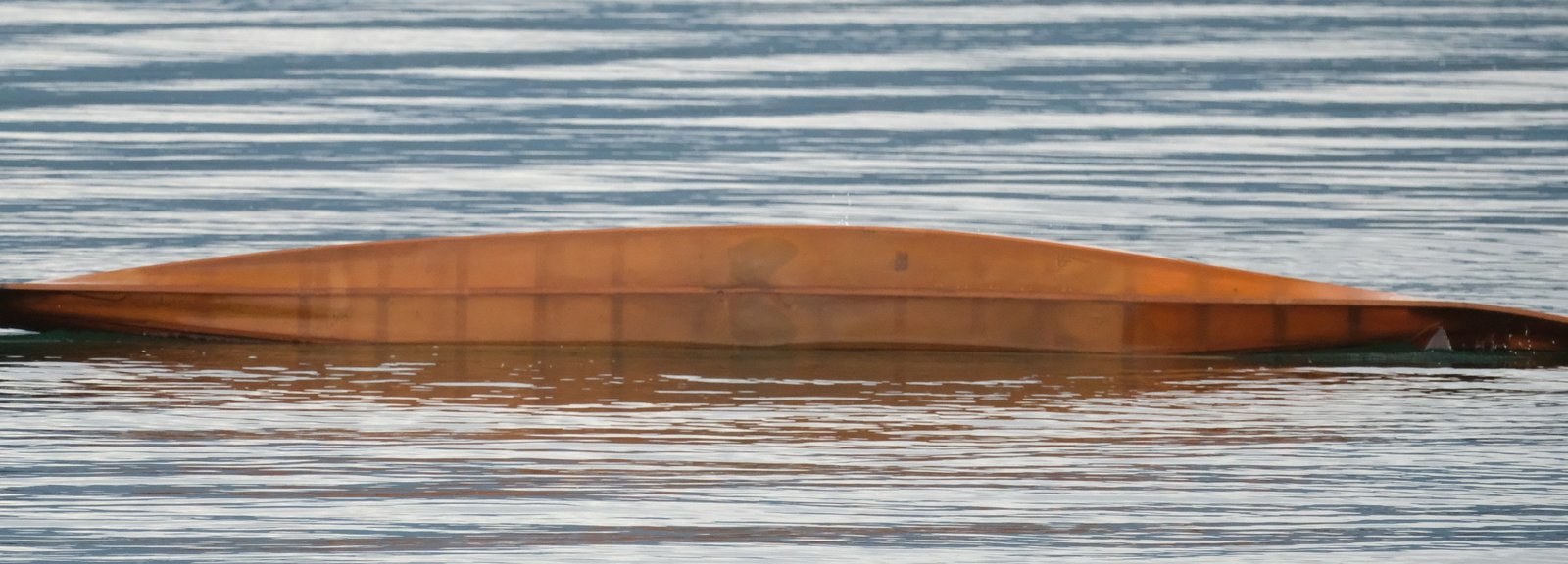
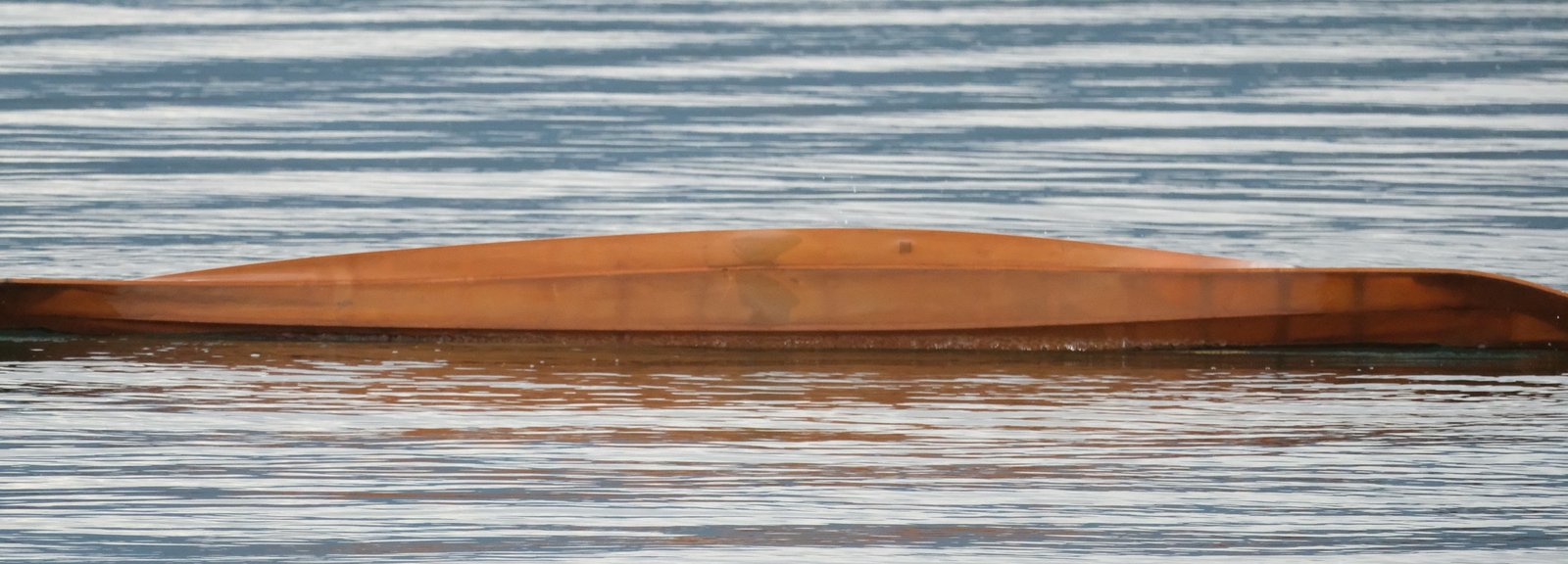
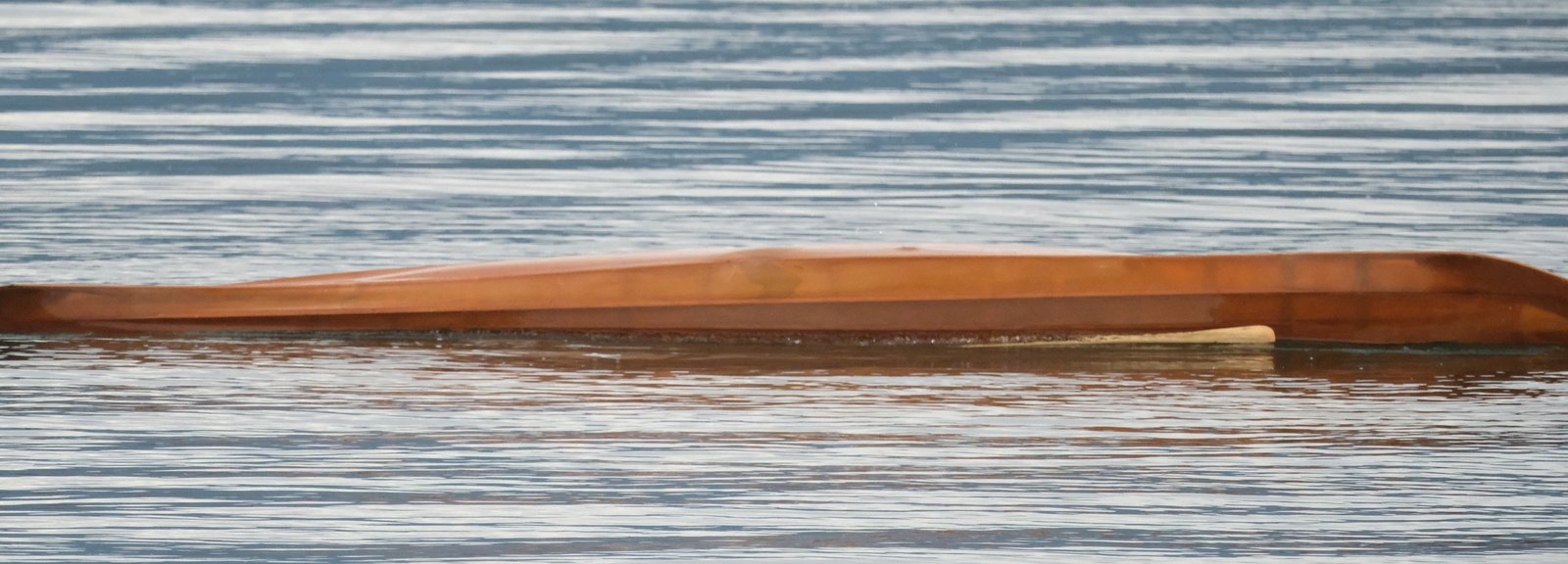
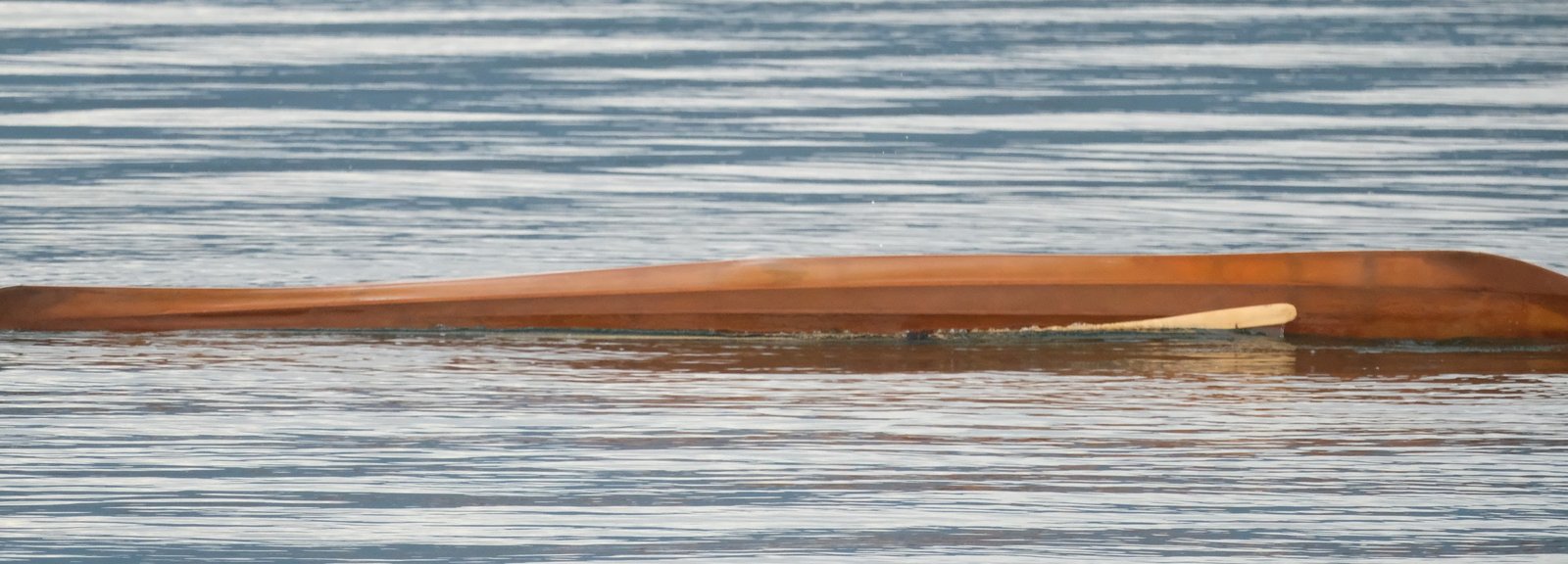
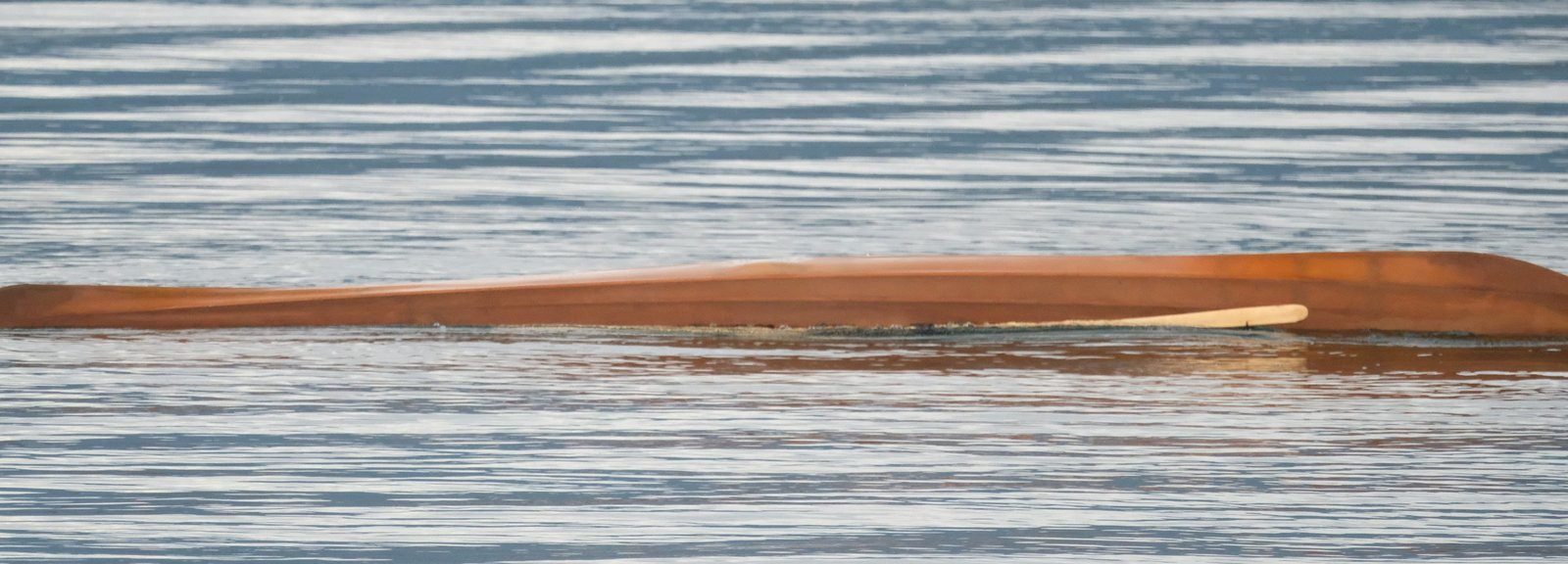
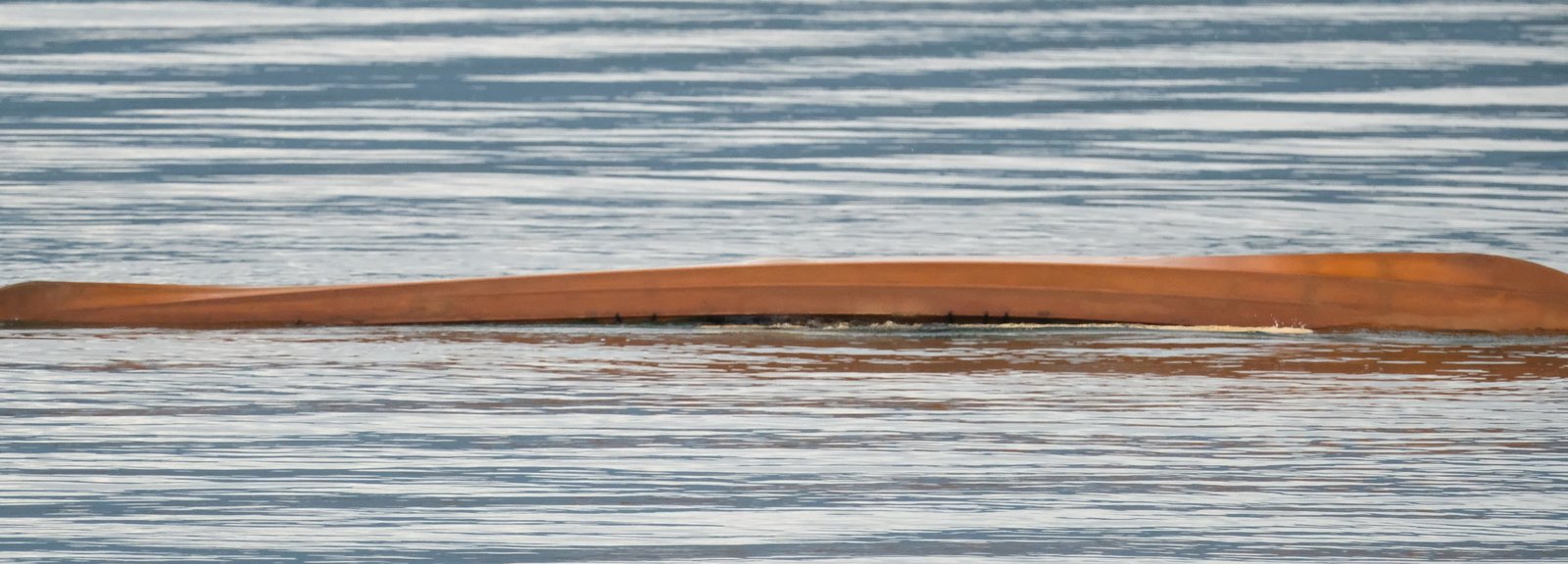
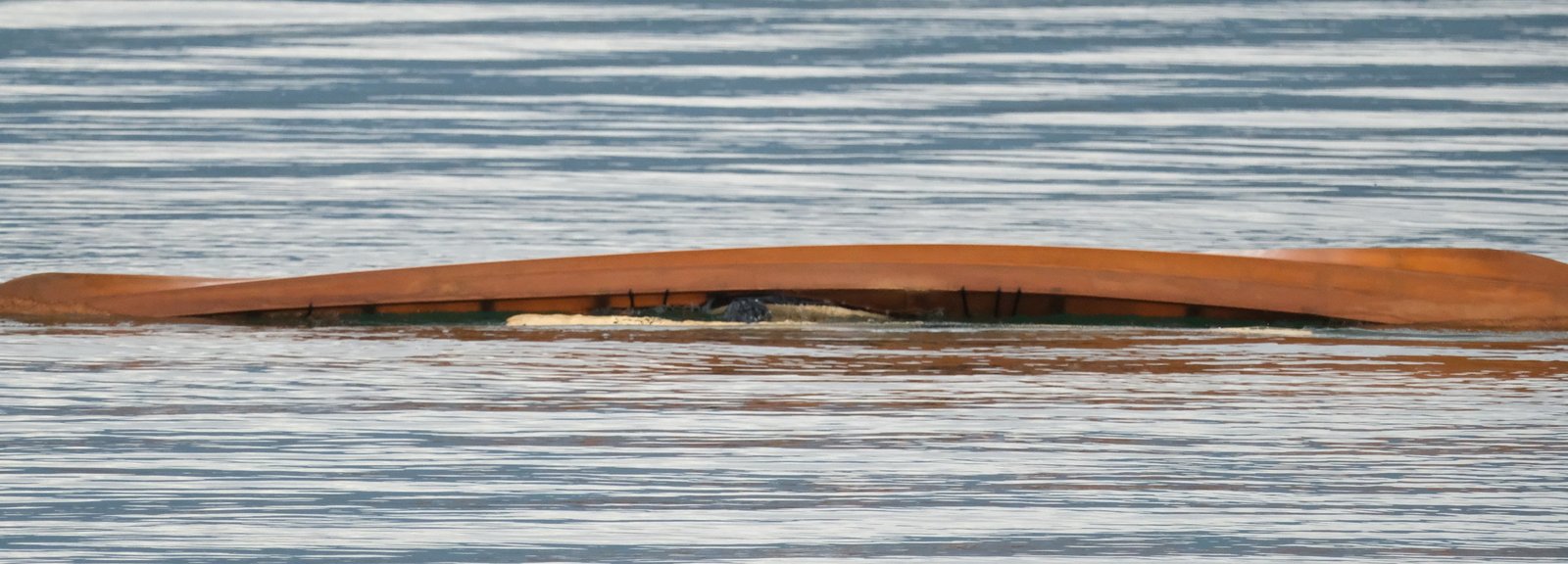
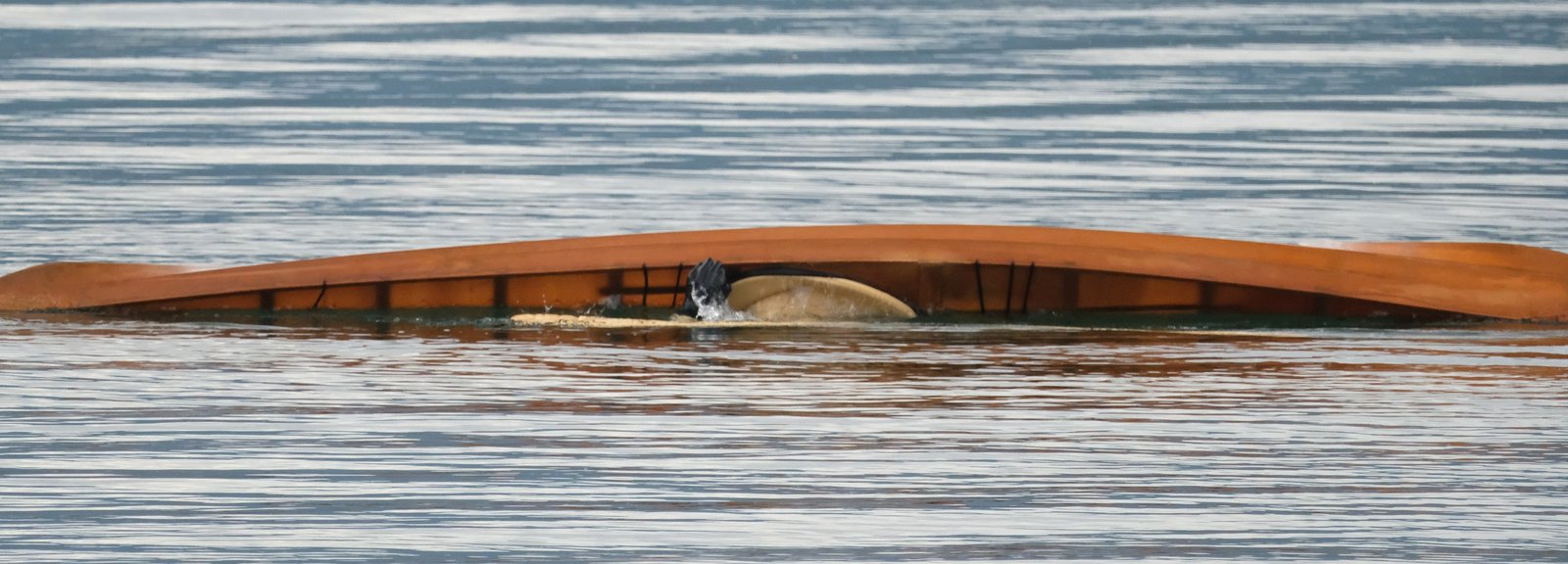
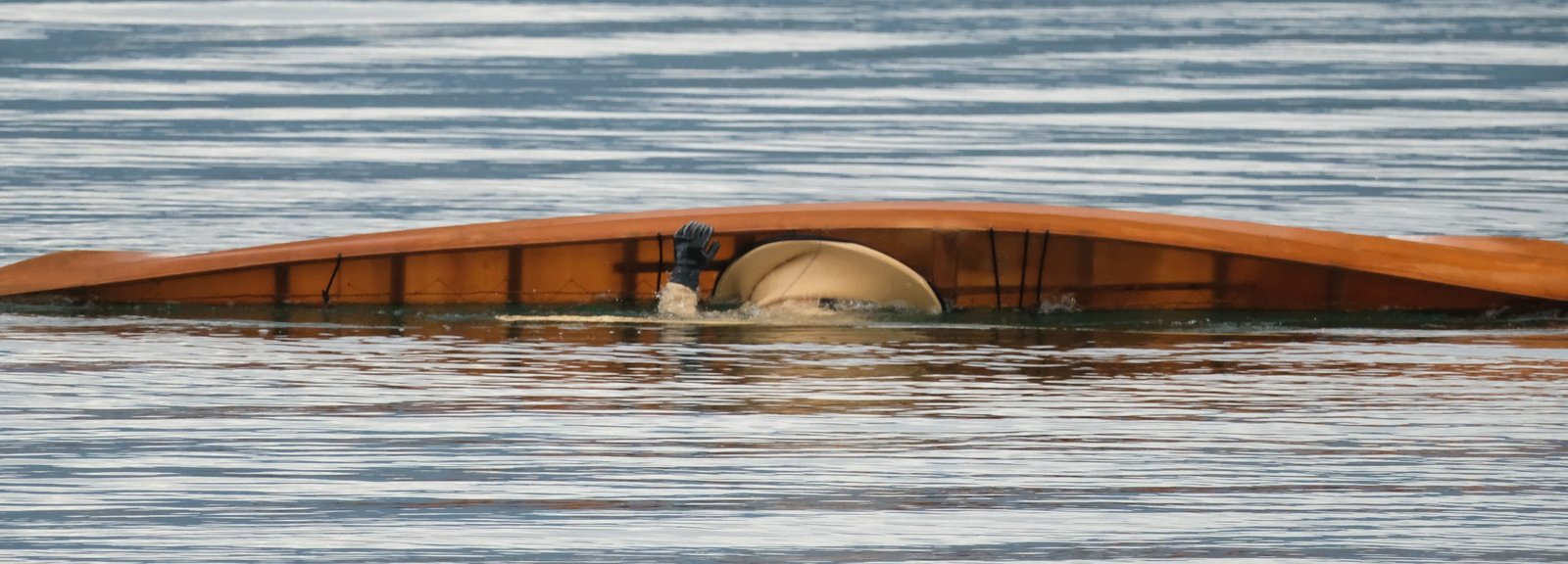
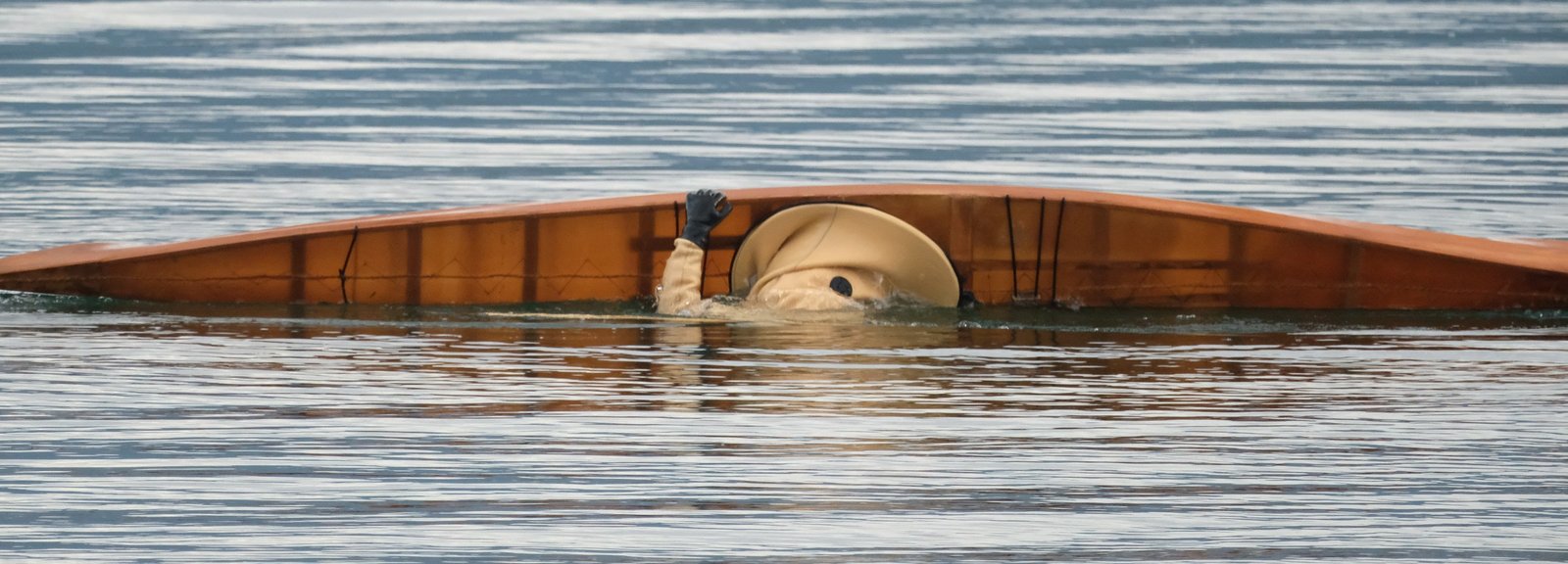
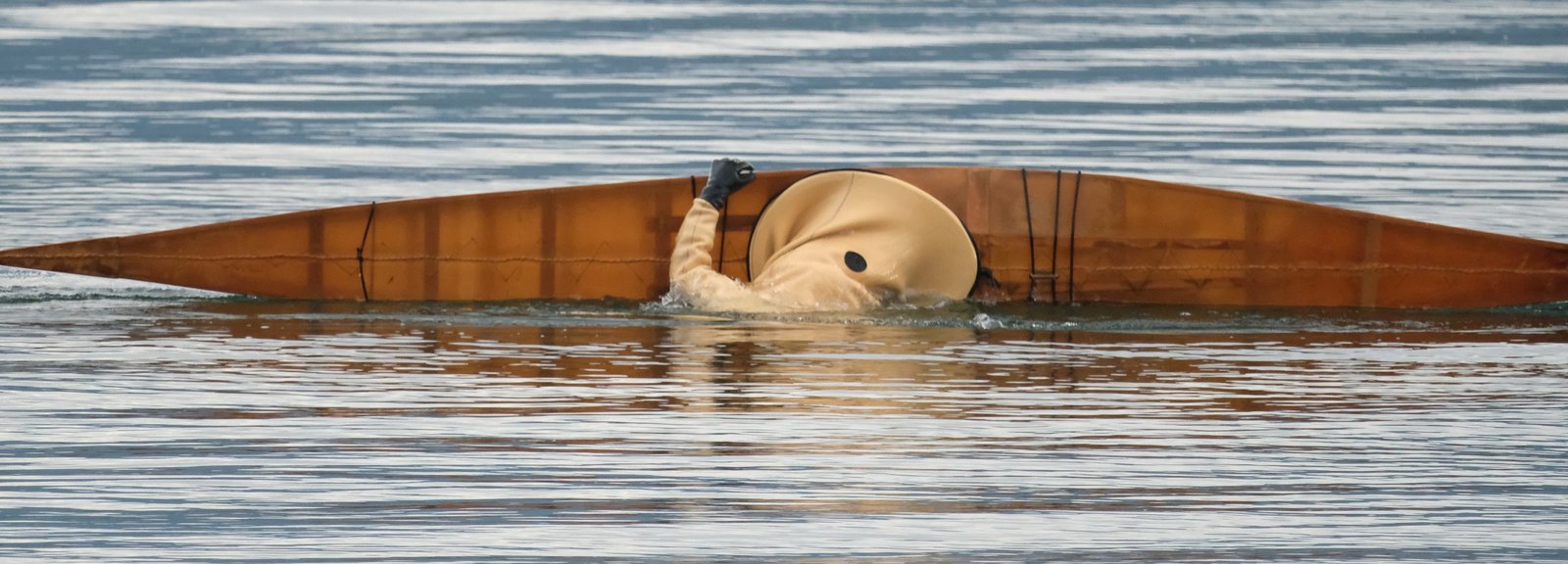
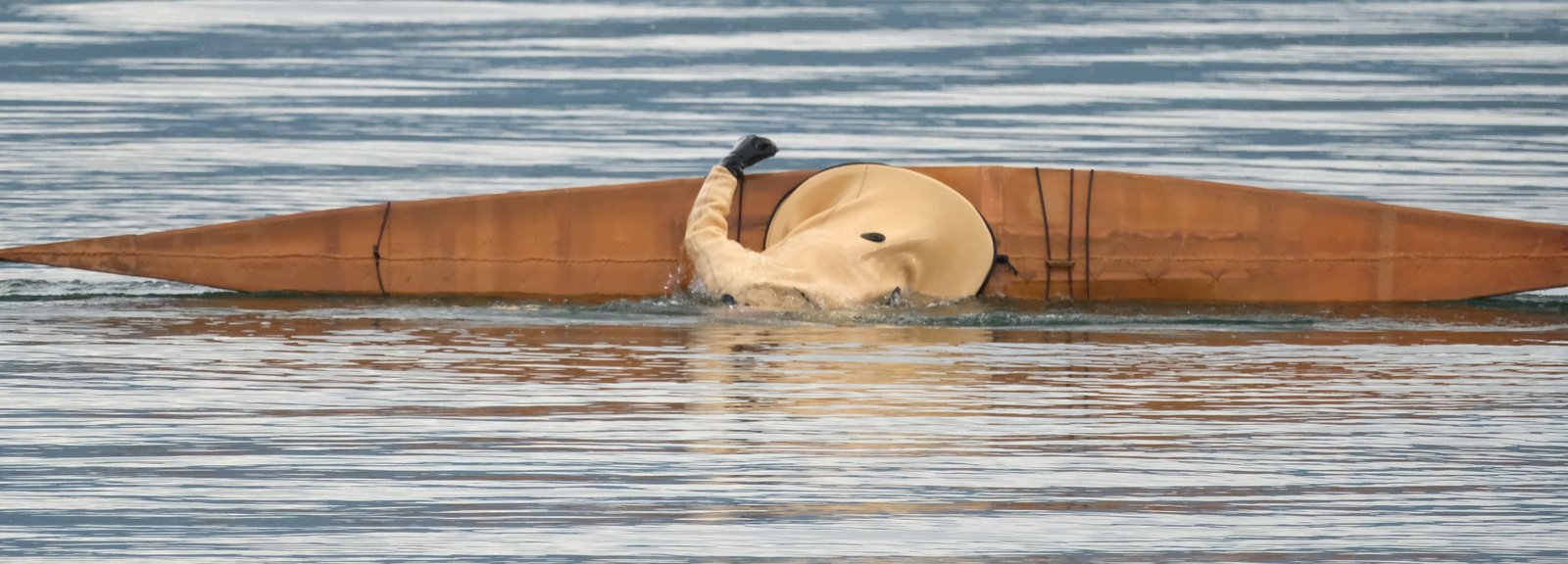
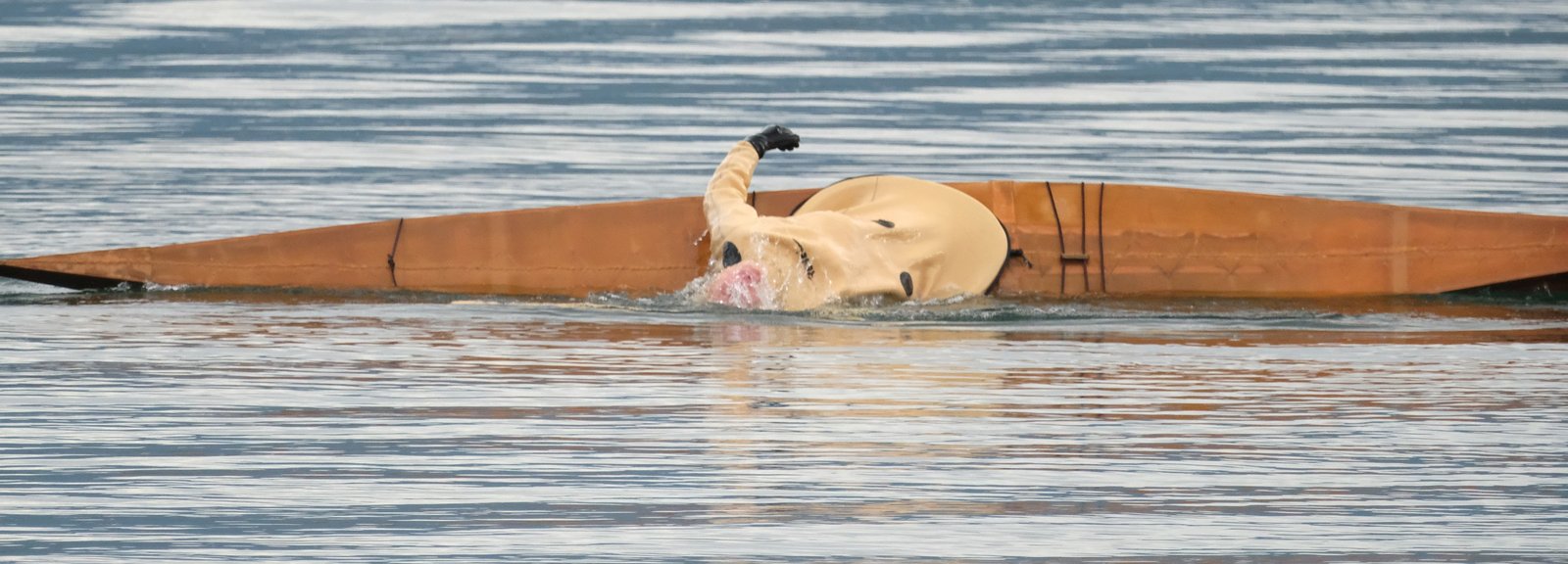
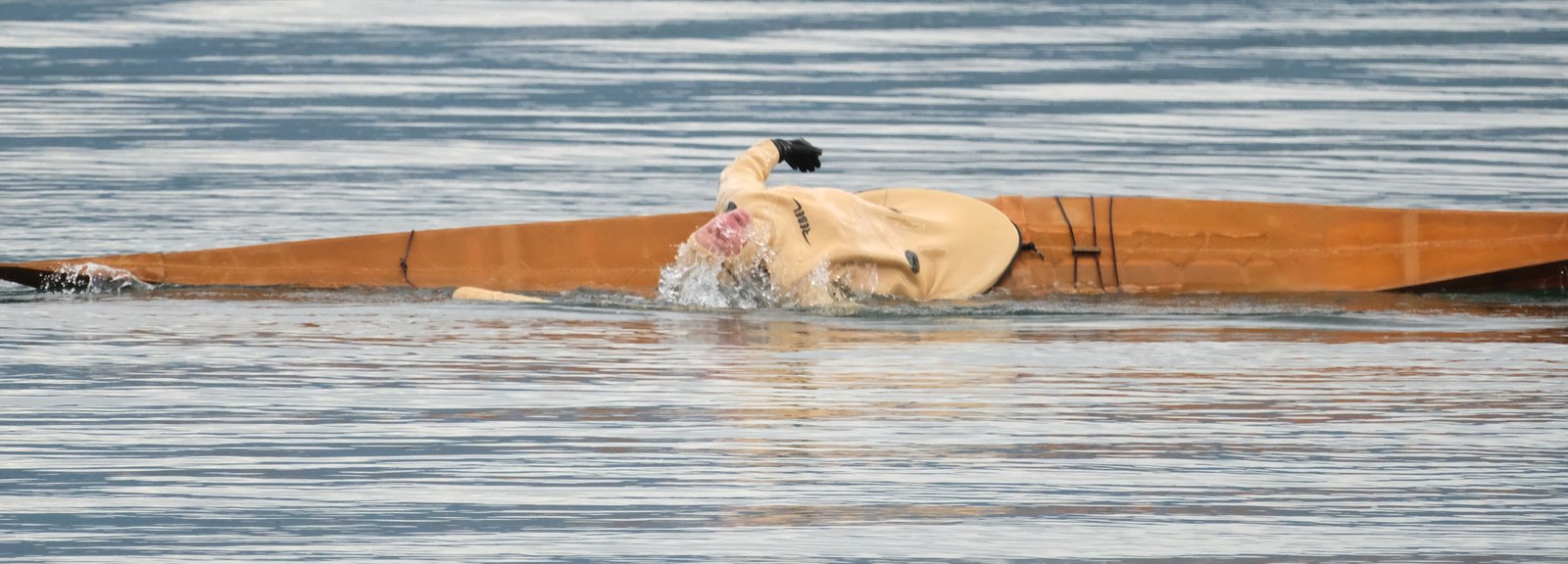
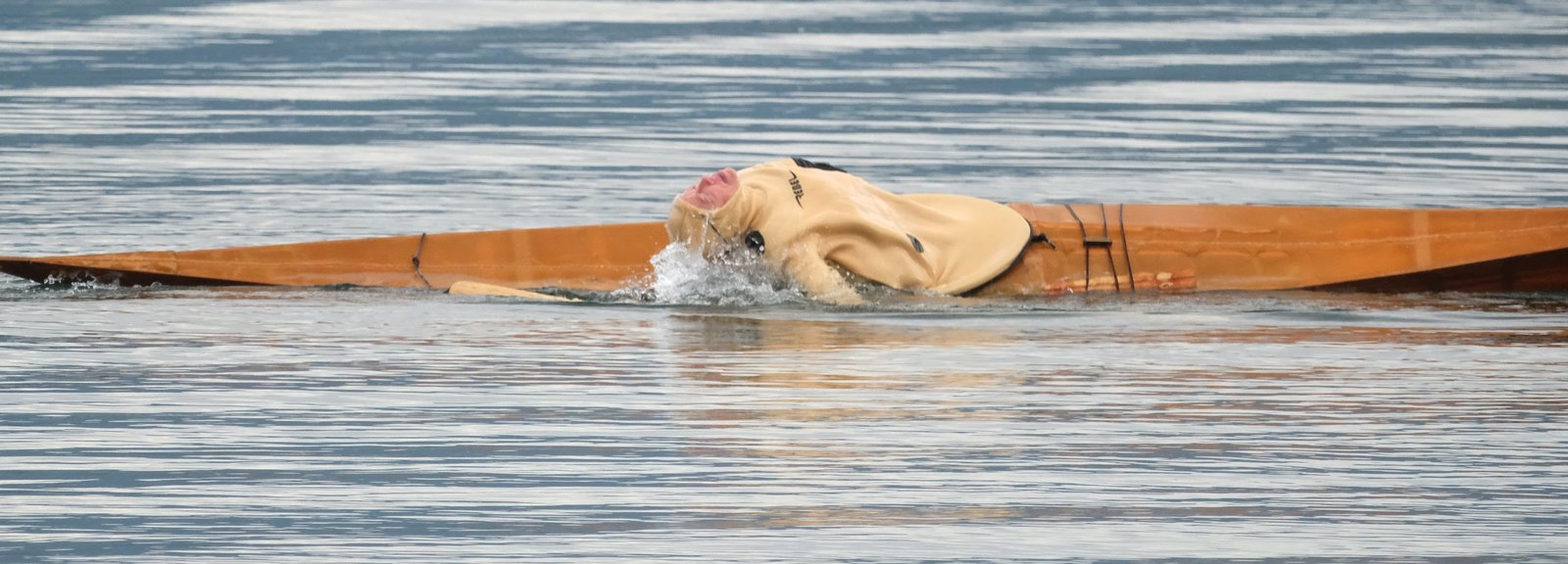
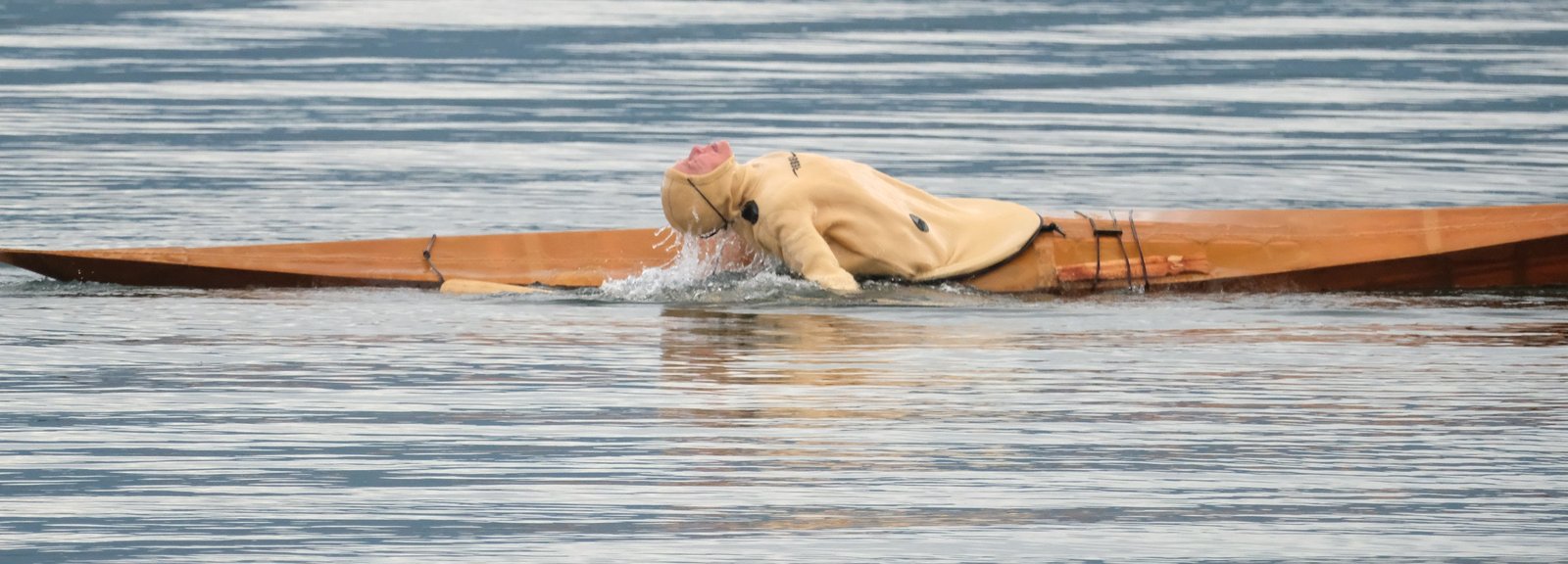
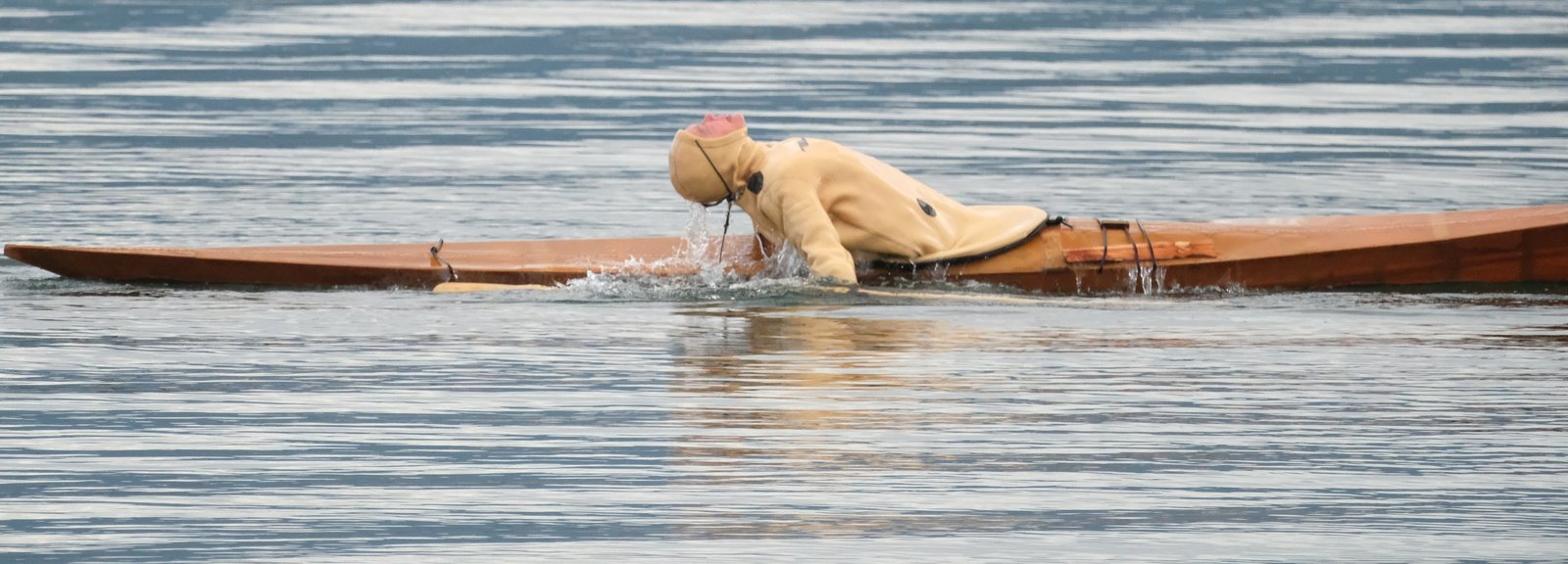
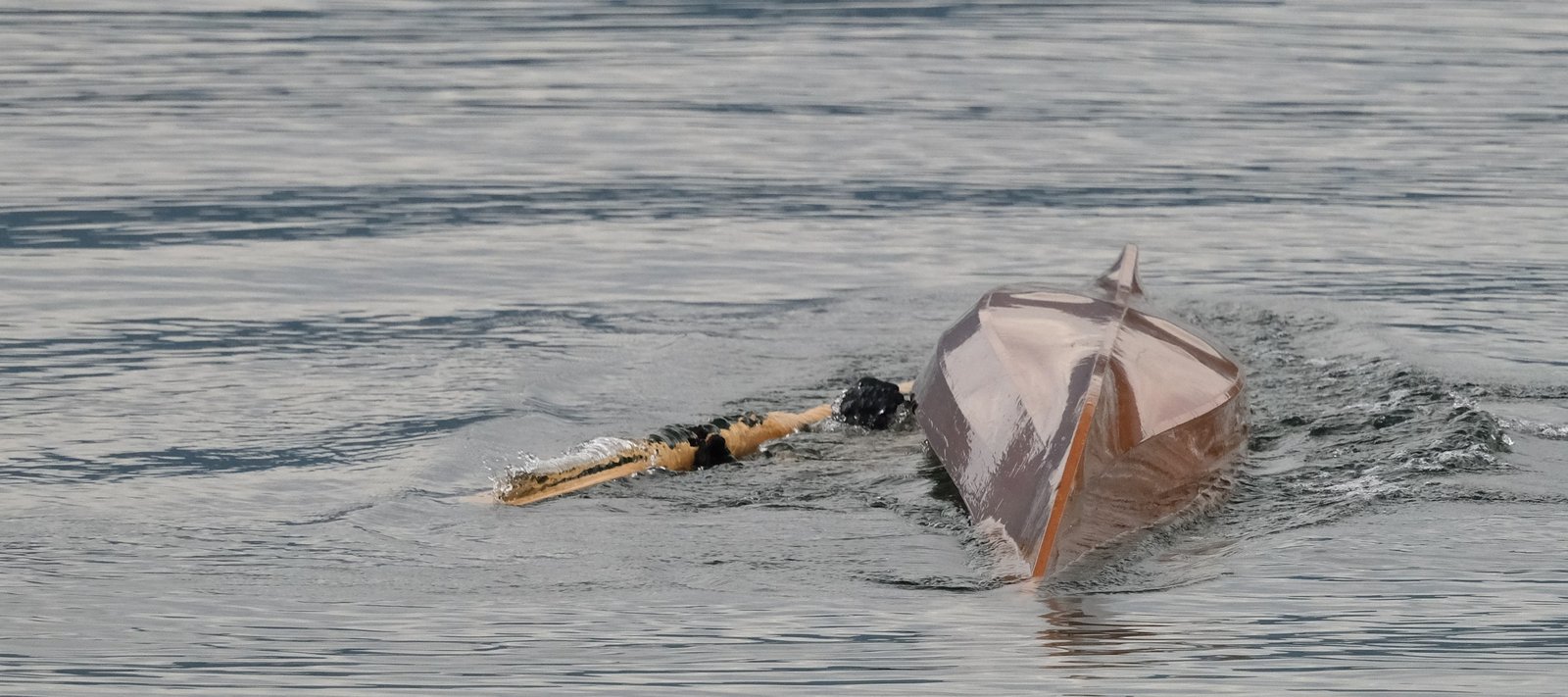
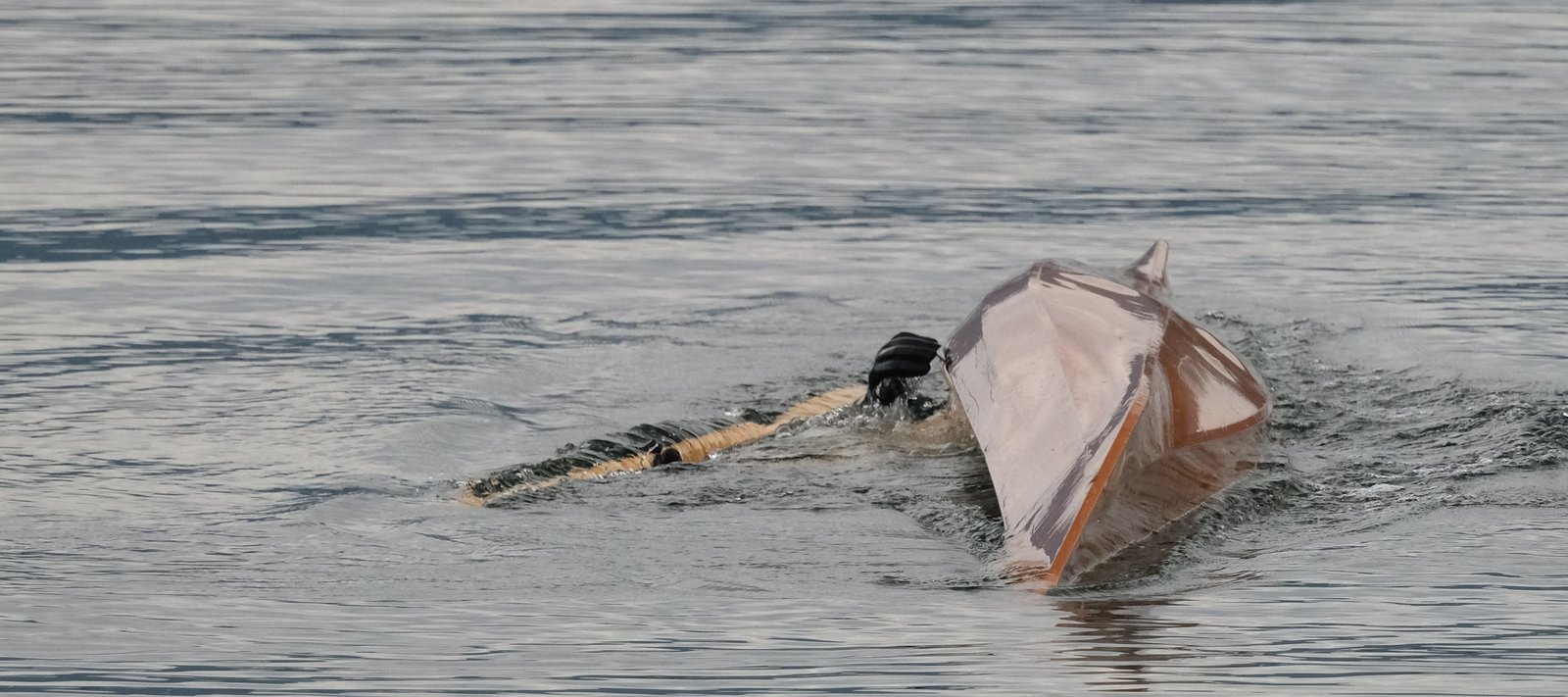
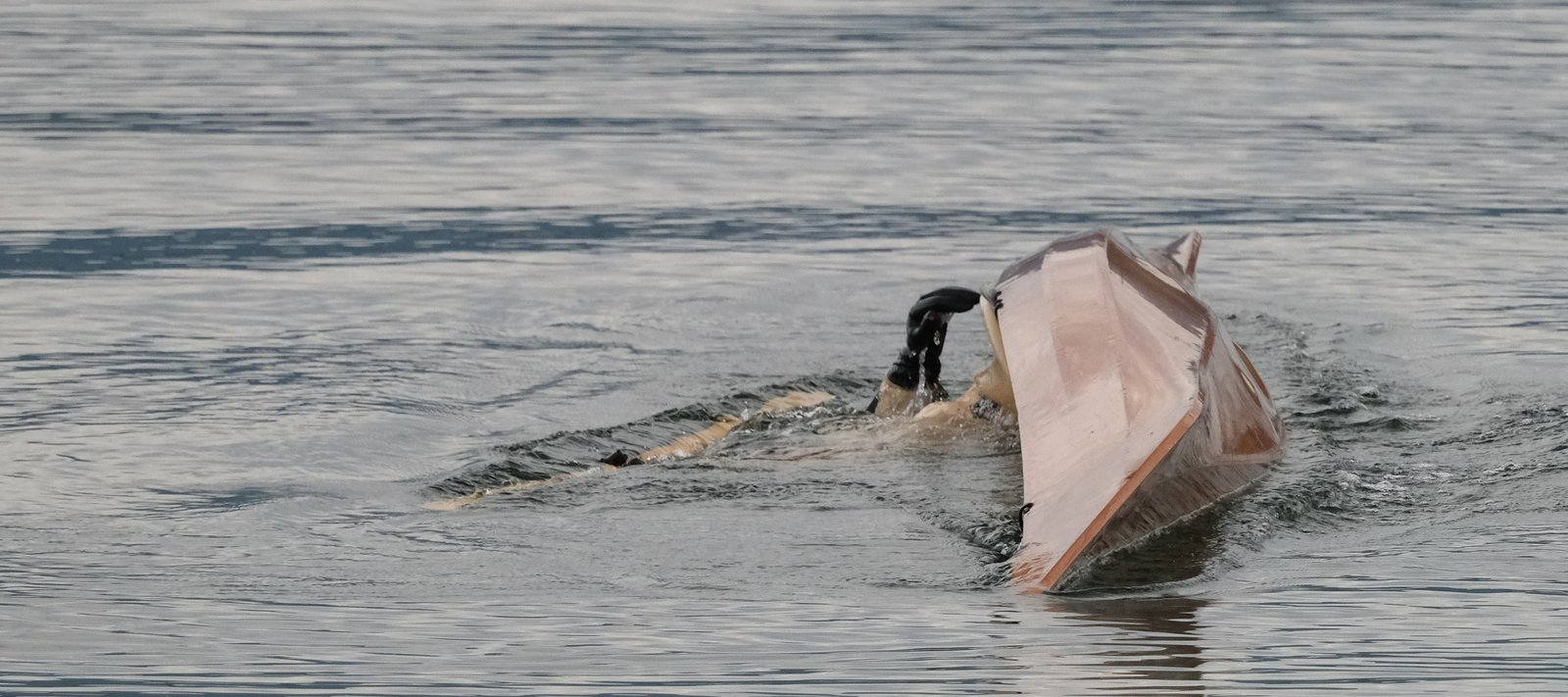
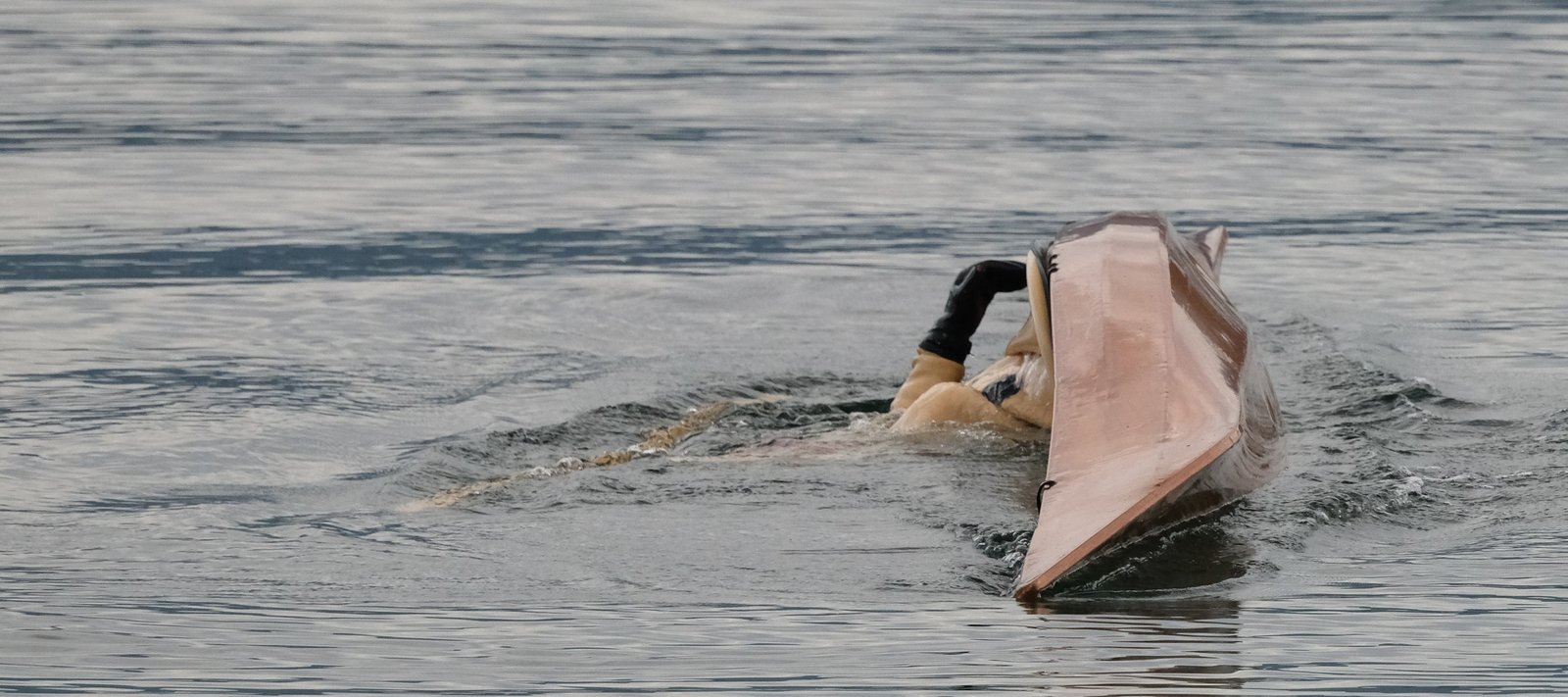
Chessy's dynamic butterfly roll is one continuous movement:
- She tucks forward over the deck and goes over.
- She is under the boat for less than a second, and the boat is already turning back before she reappears.
- Her body swings up from below, one hand reaching over the hull, while her hips drive the boat upright.
- Her head comes up last.
If she slowed halfway, the roll would fail. Momentum carries her up.
Static
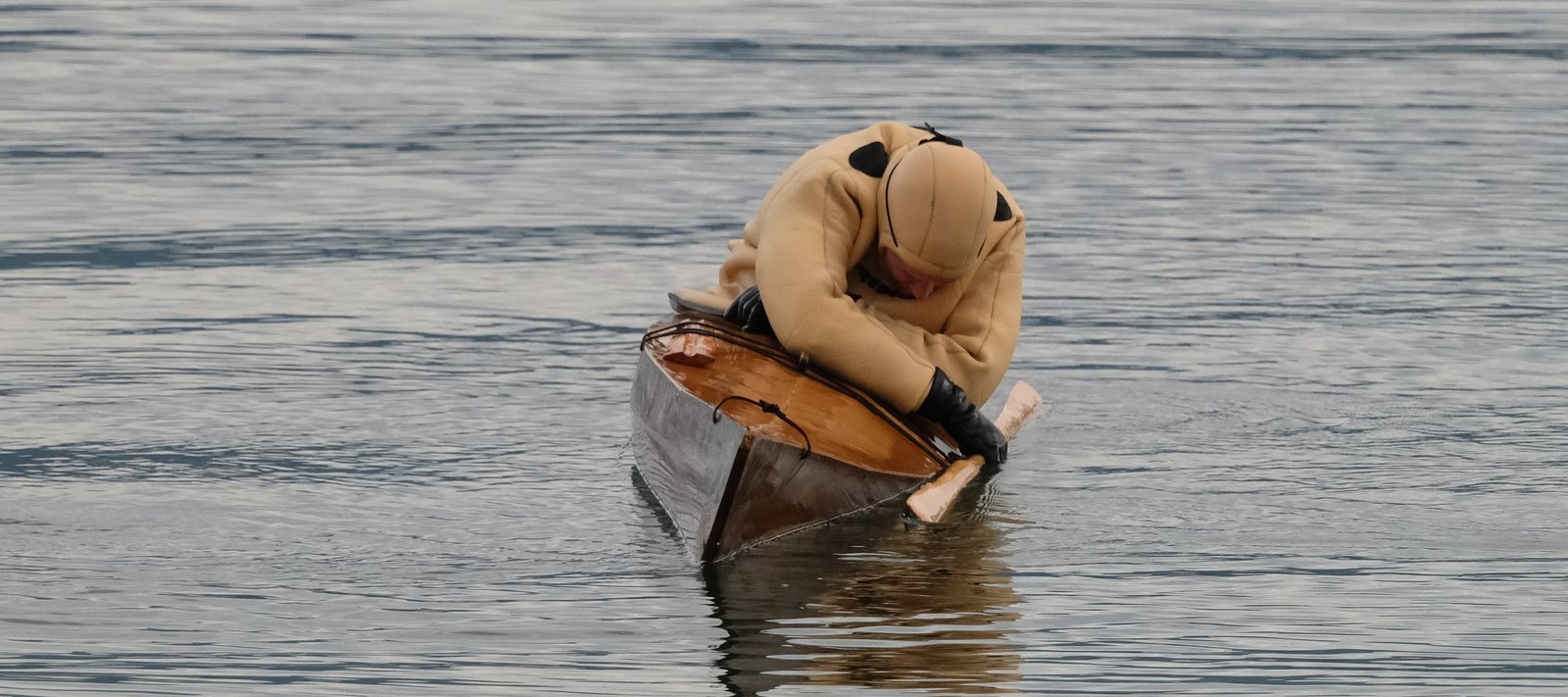
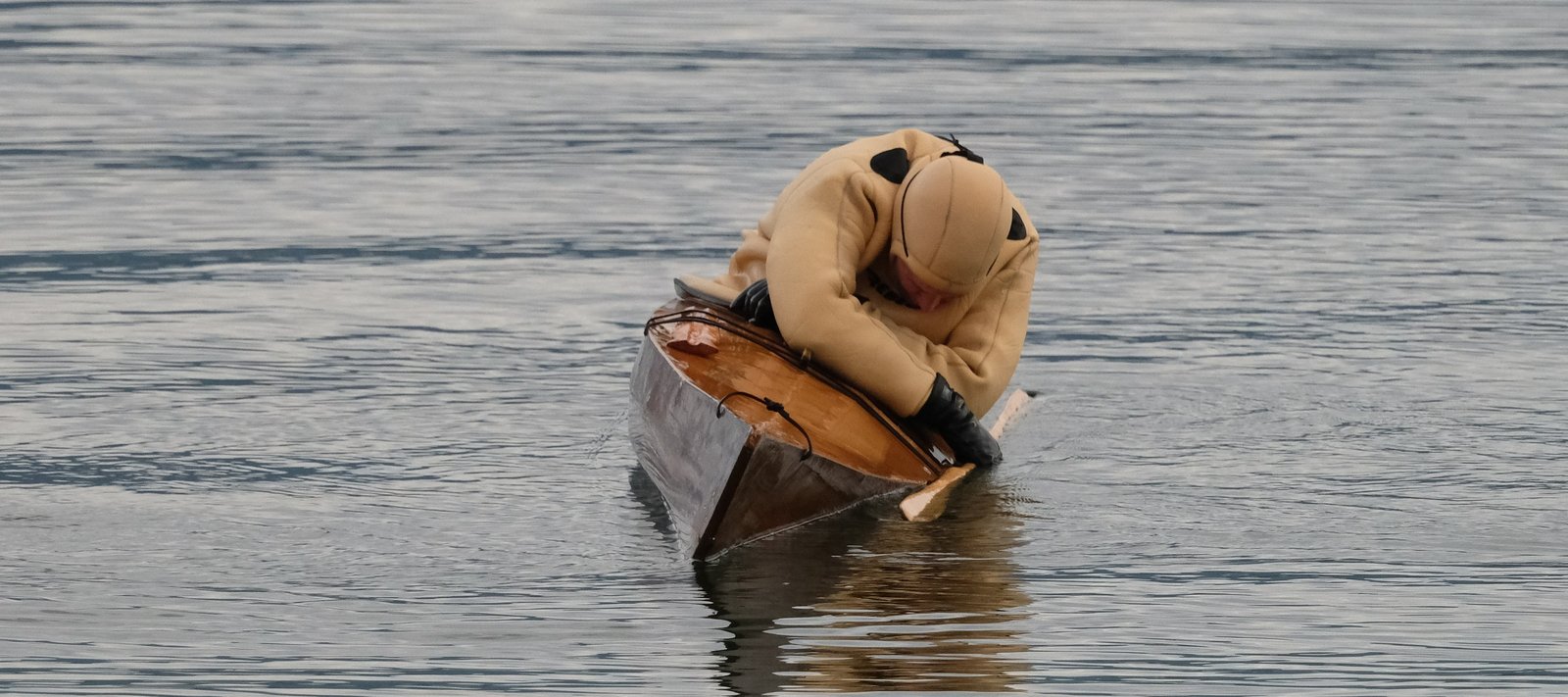
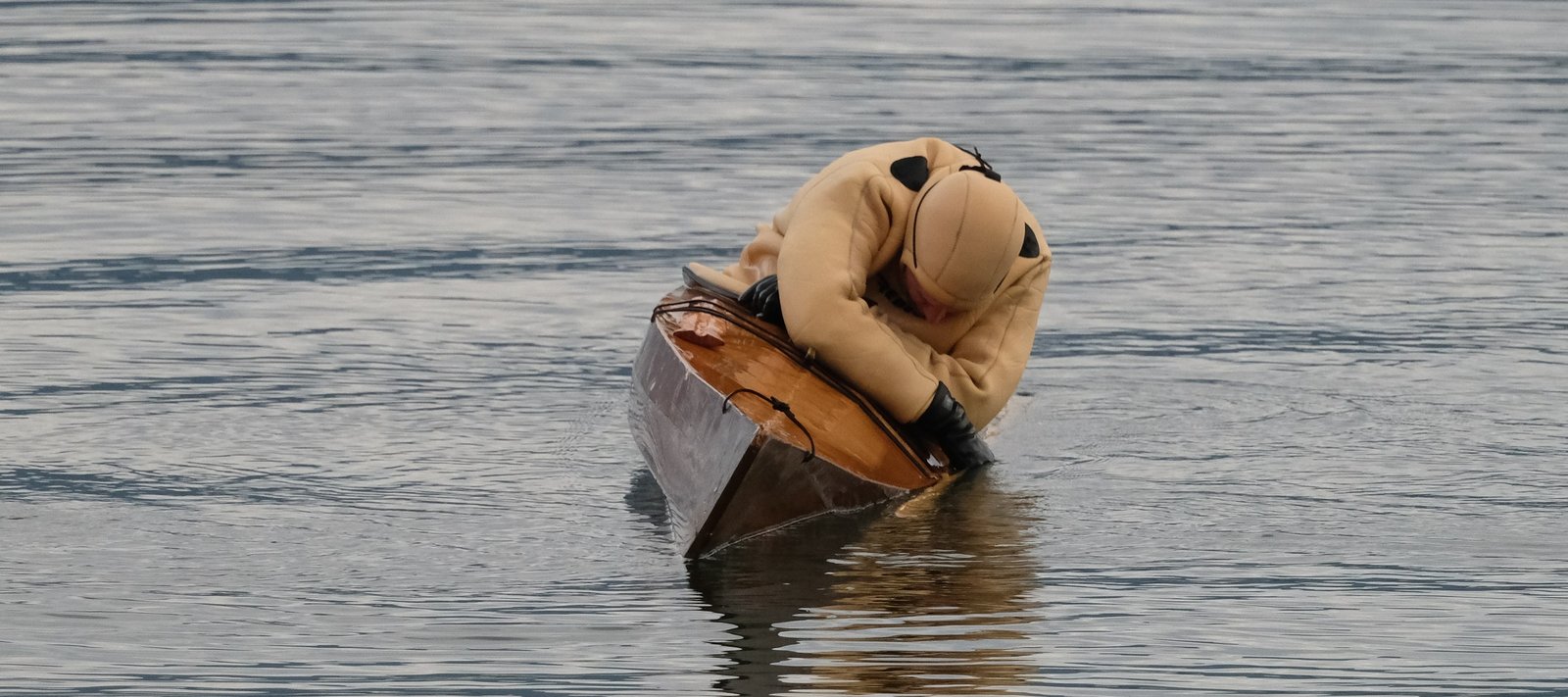
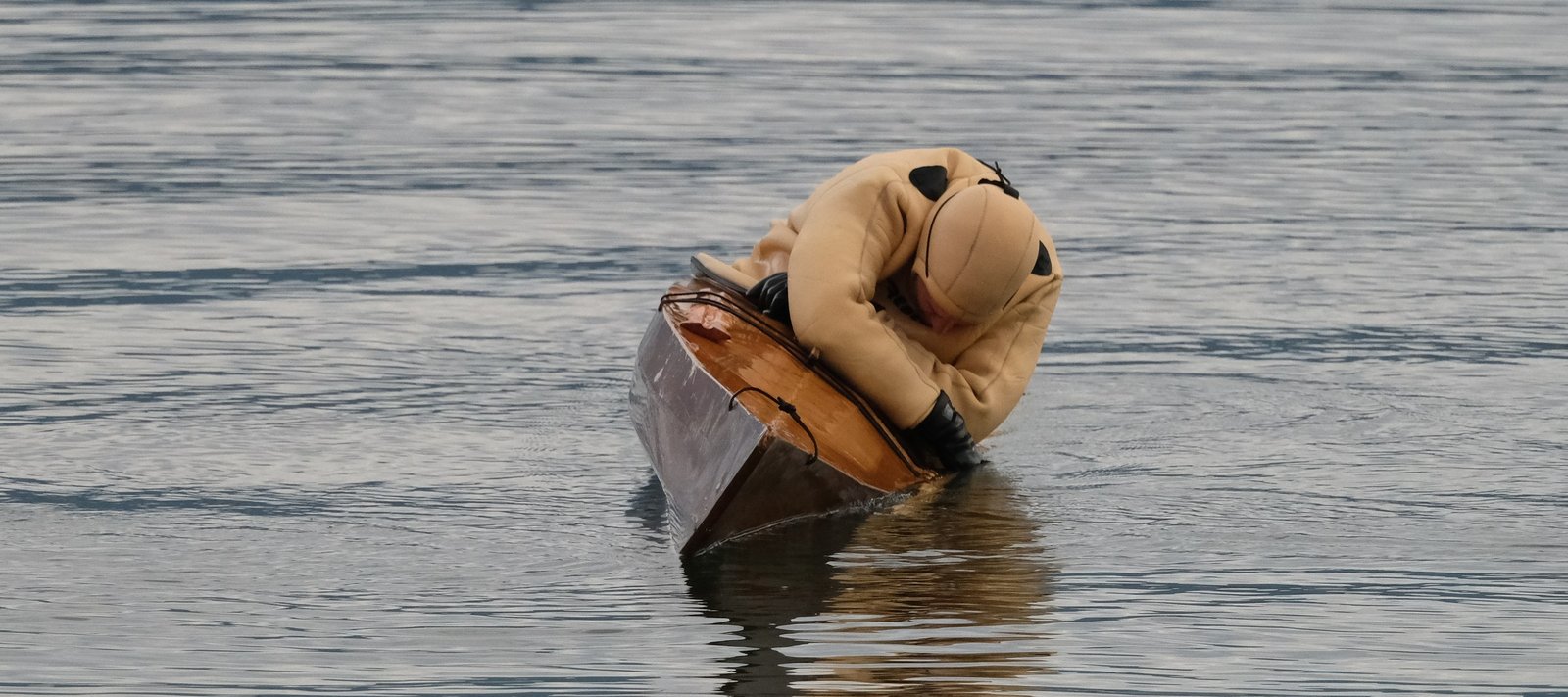
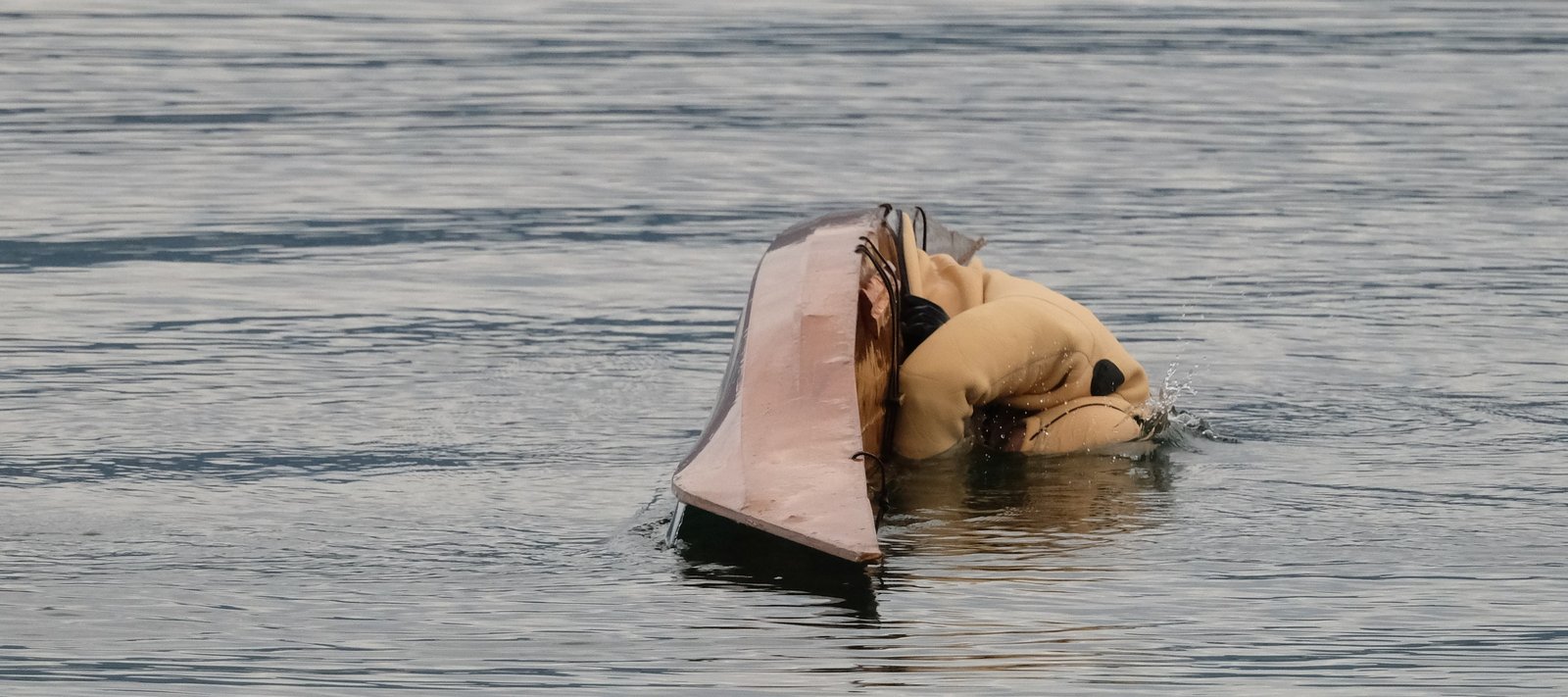
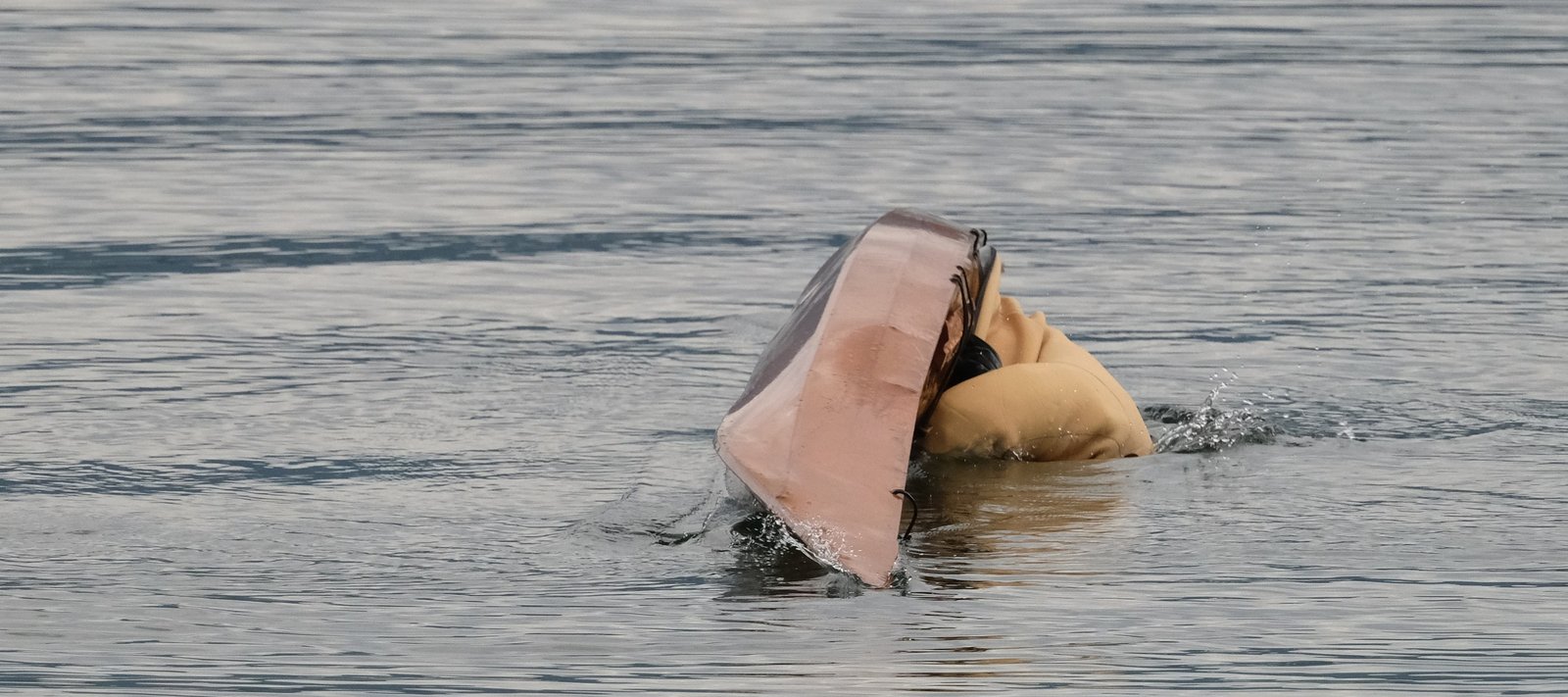
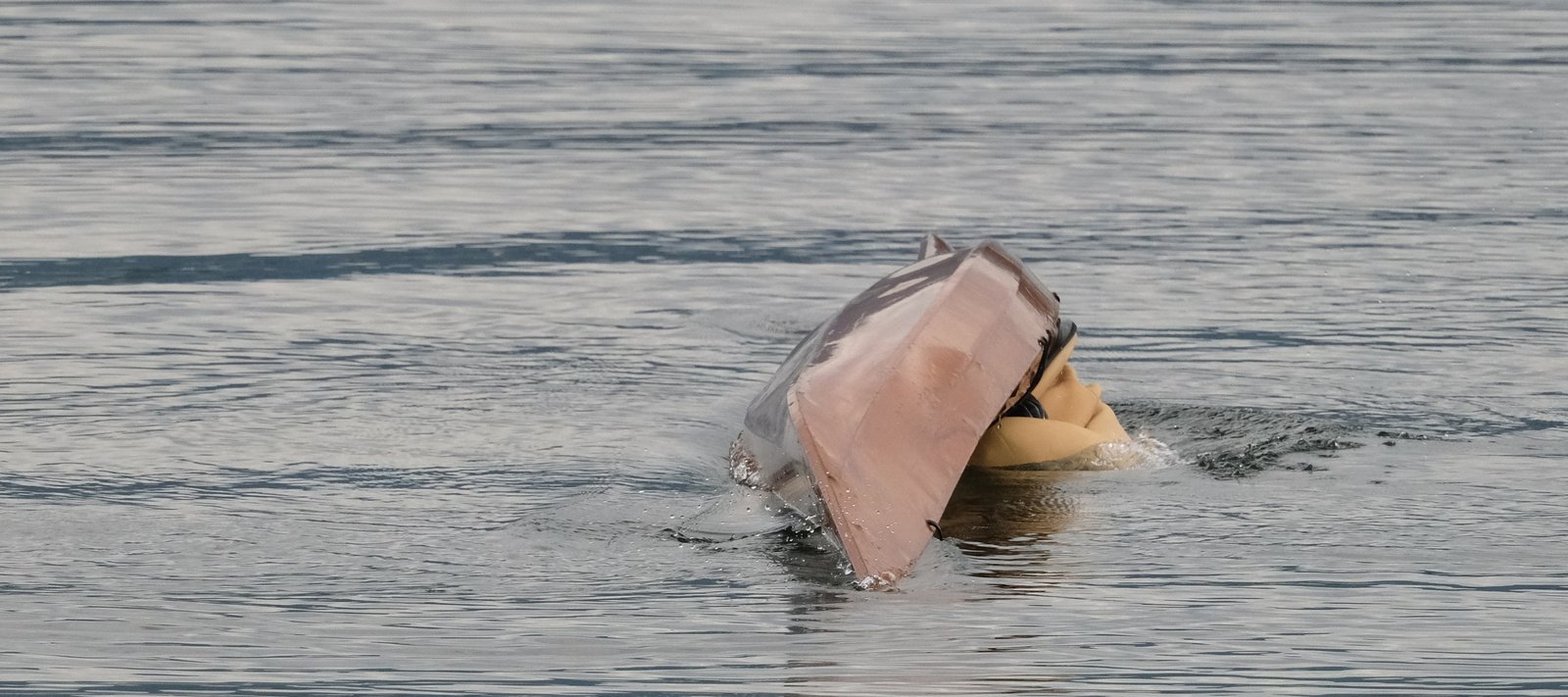
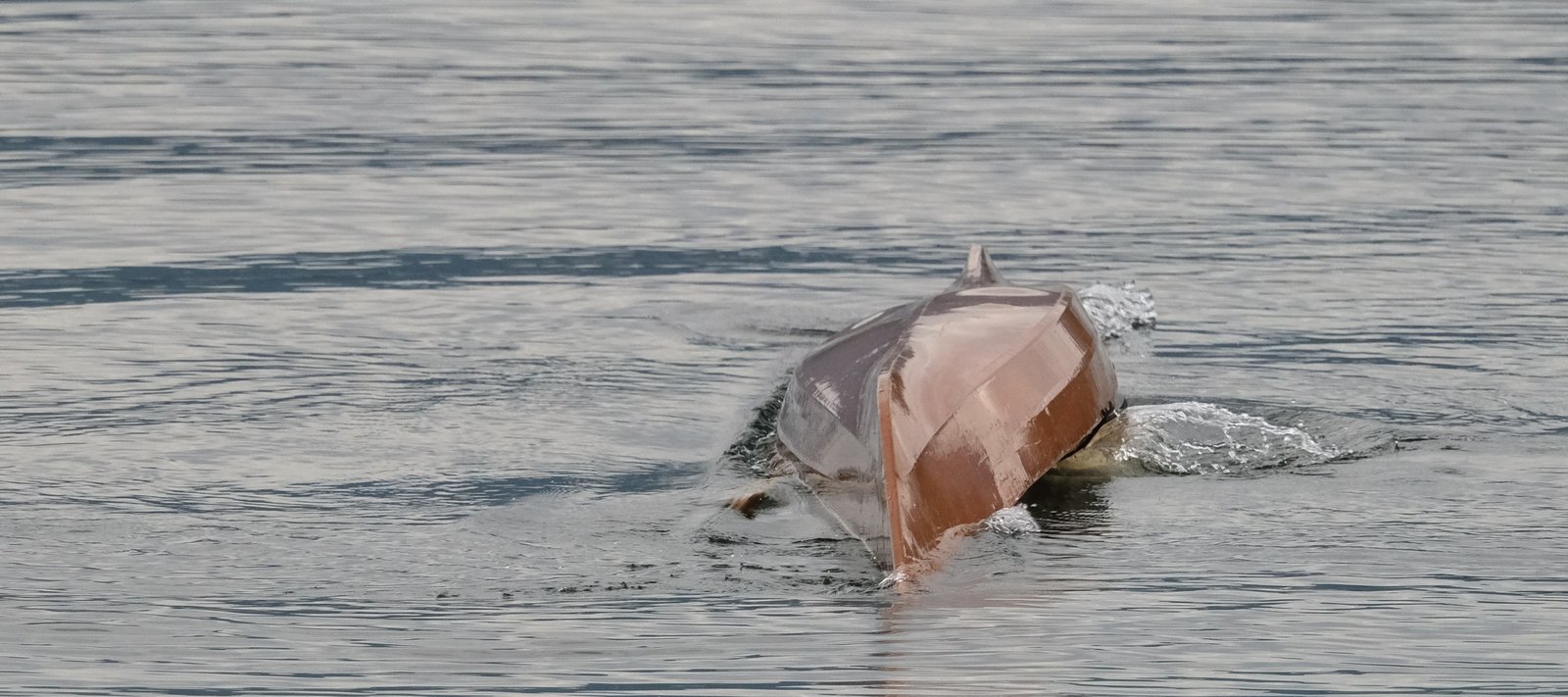
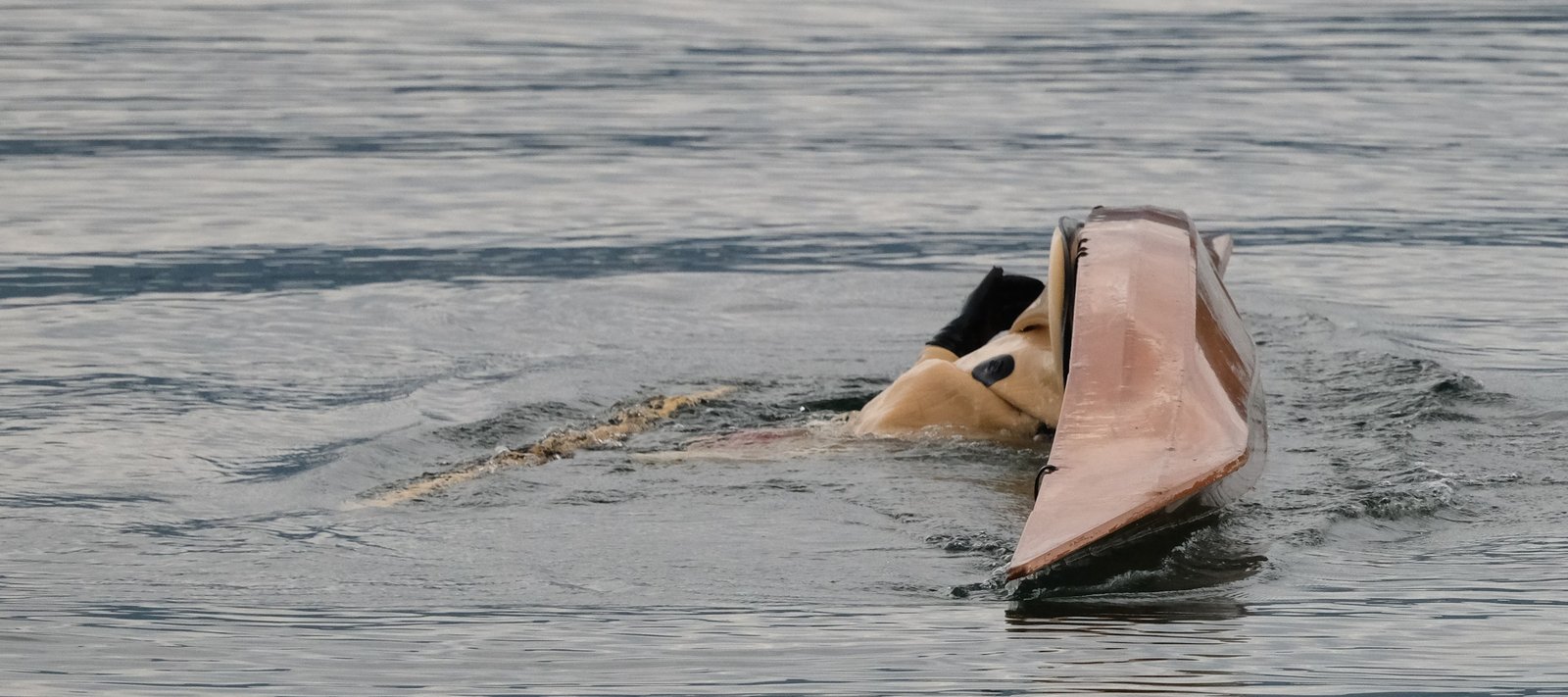
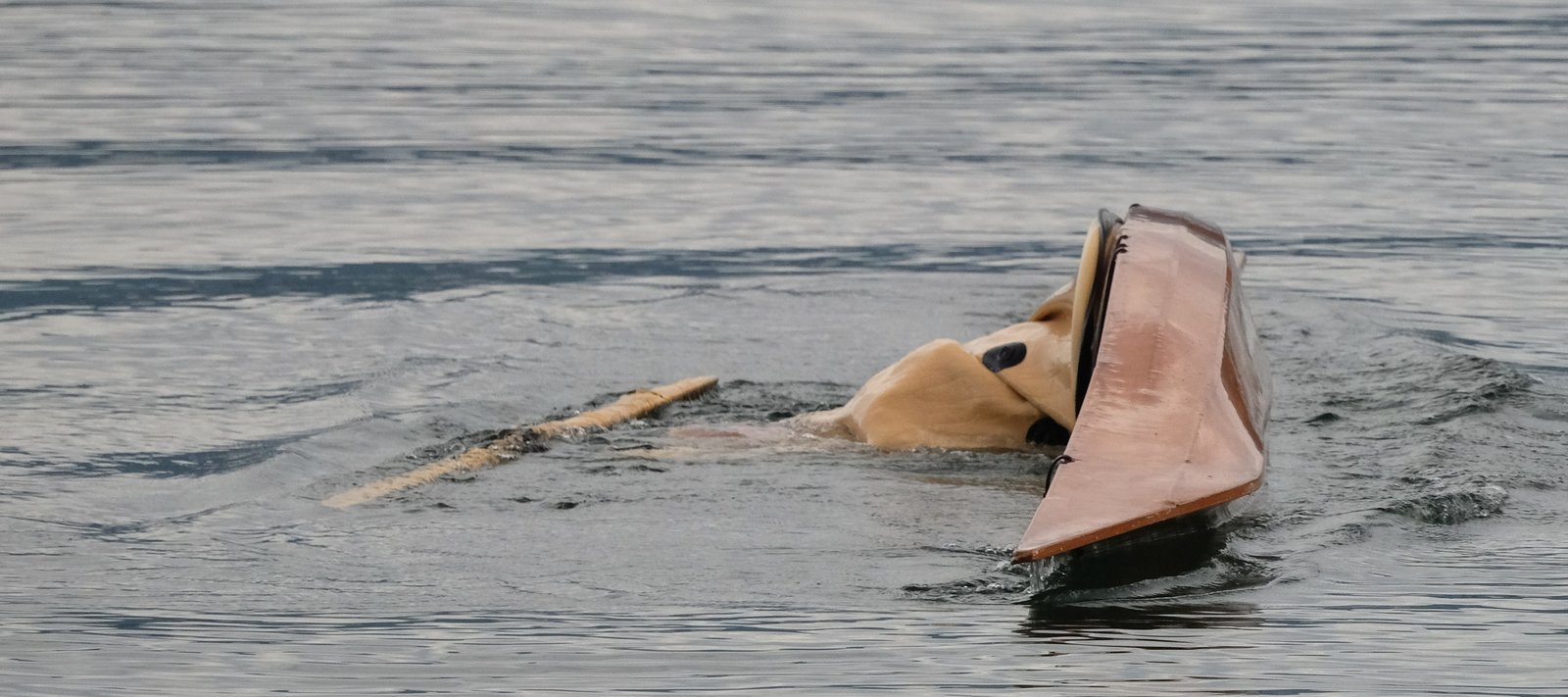
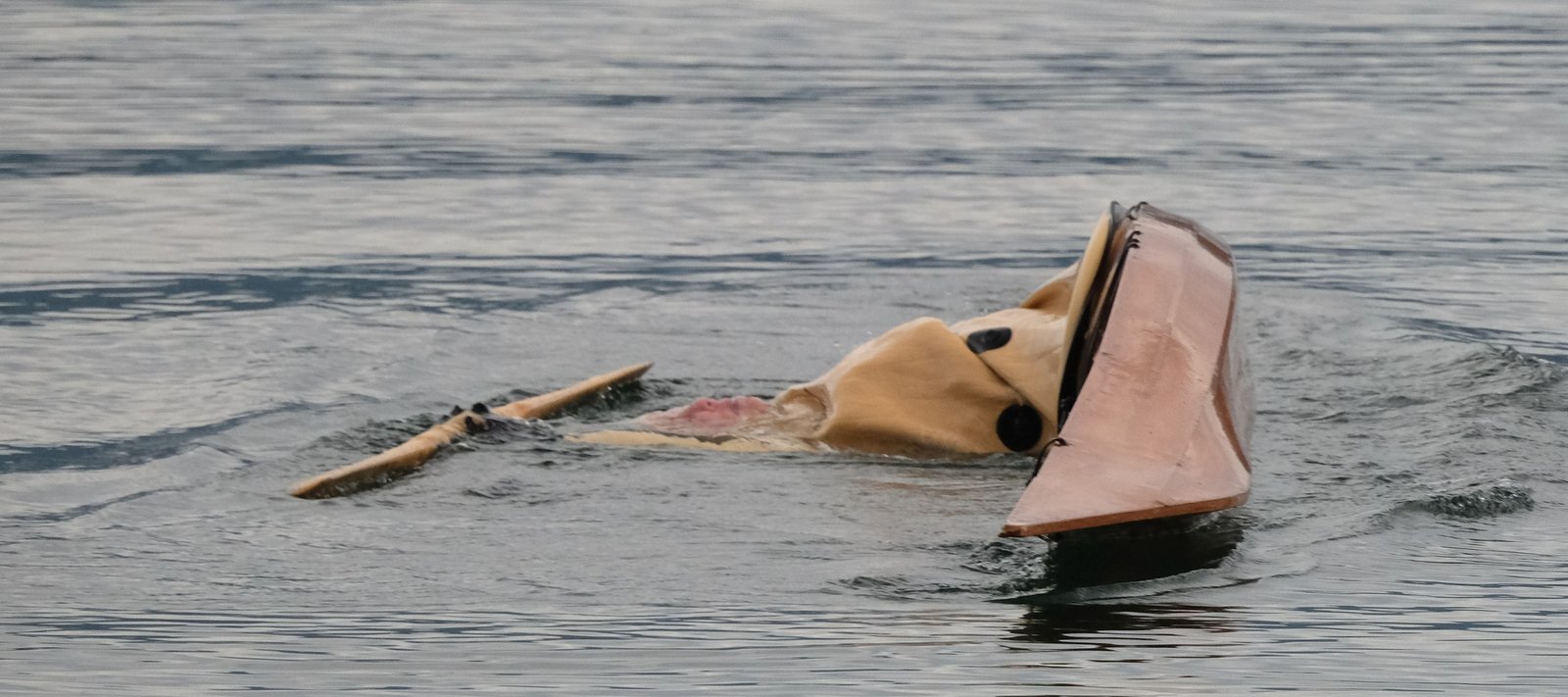
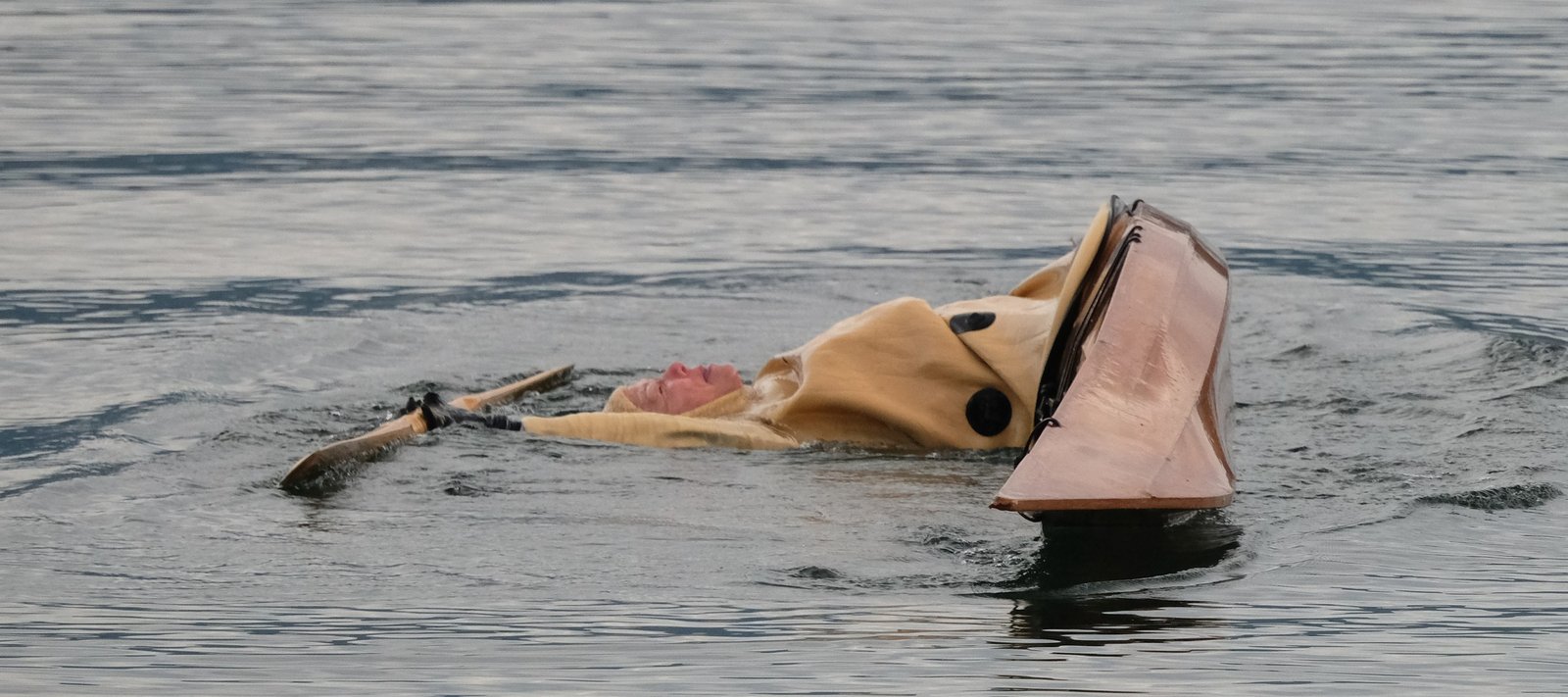
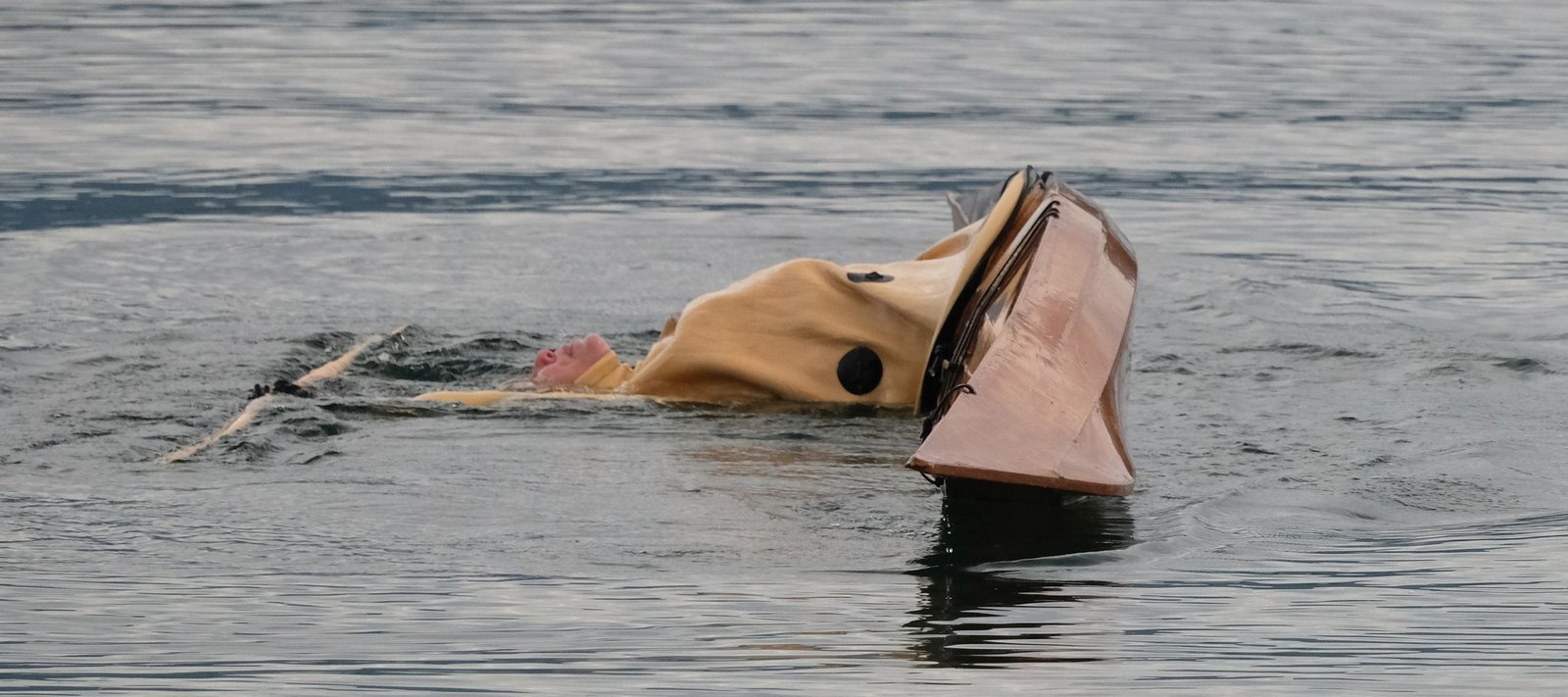
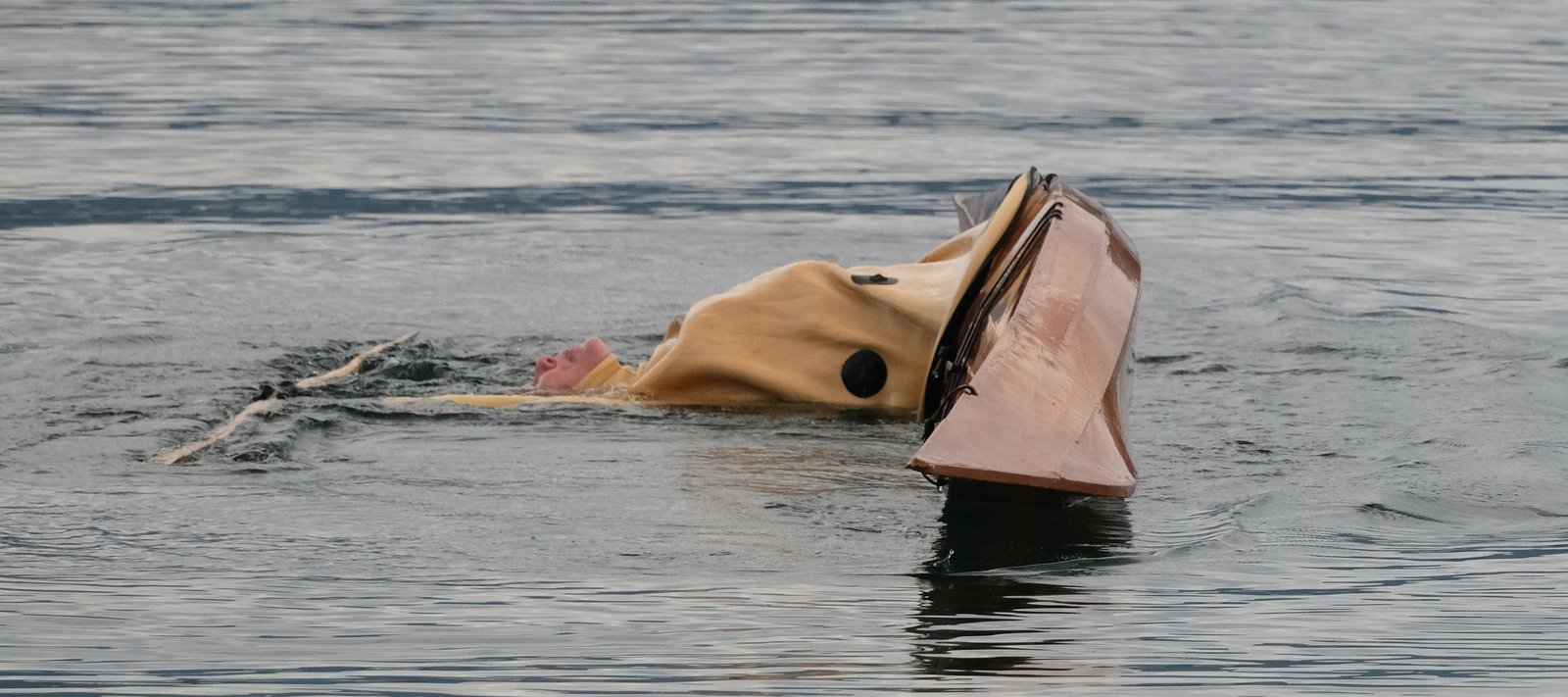
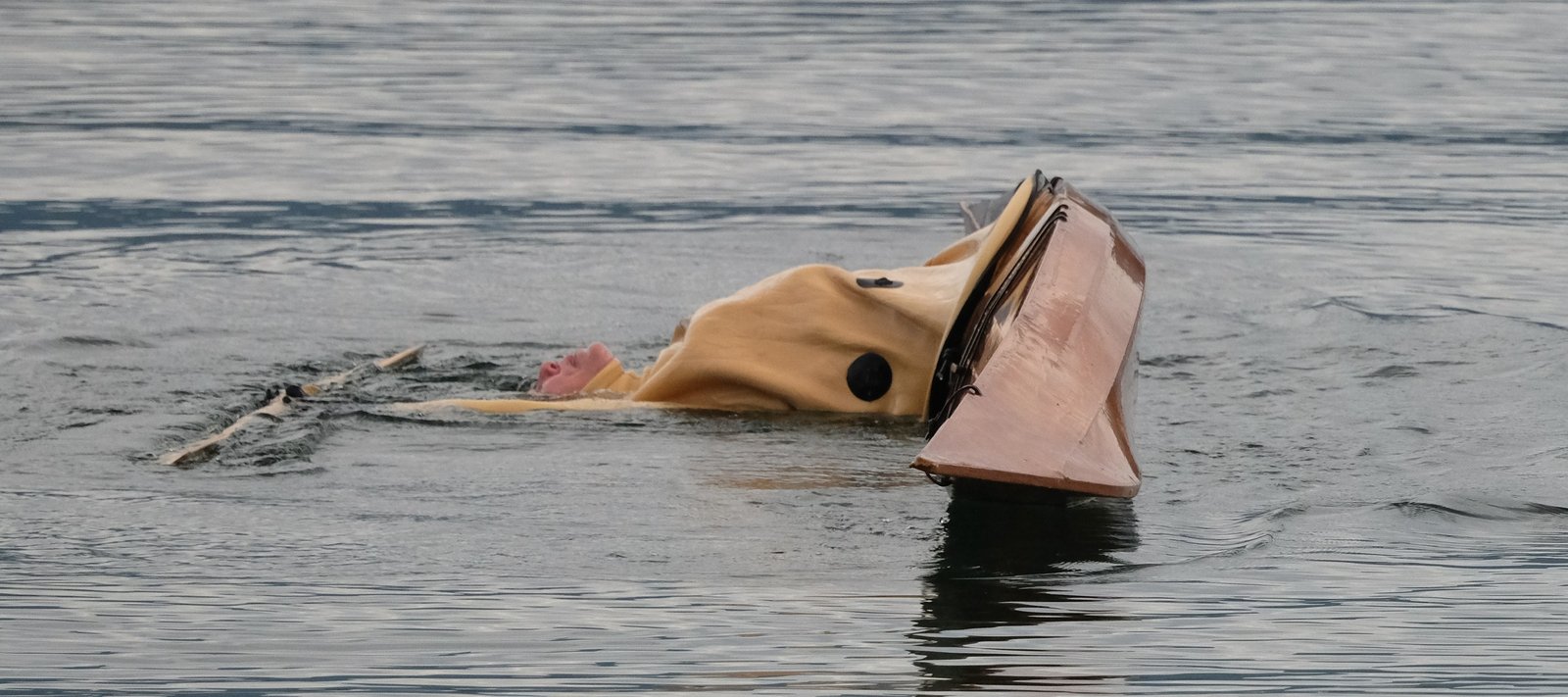
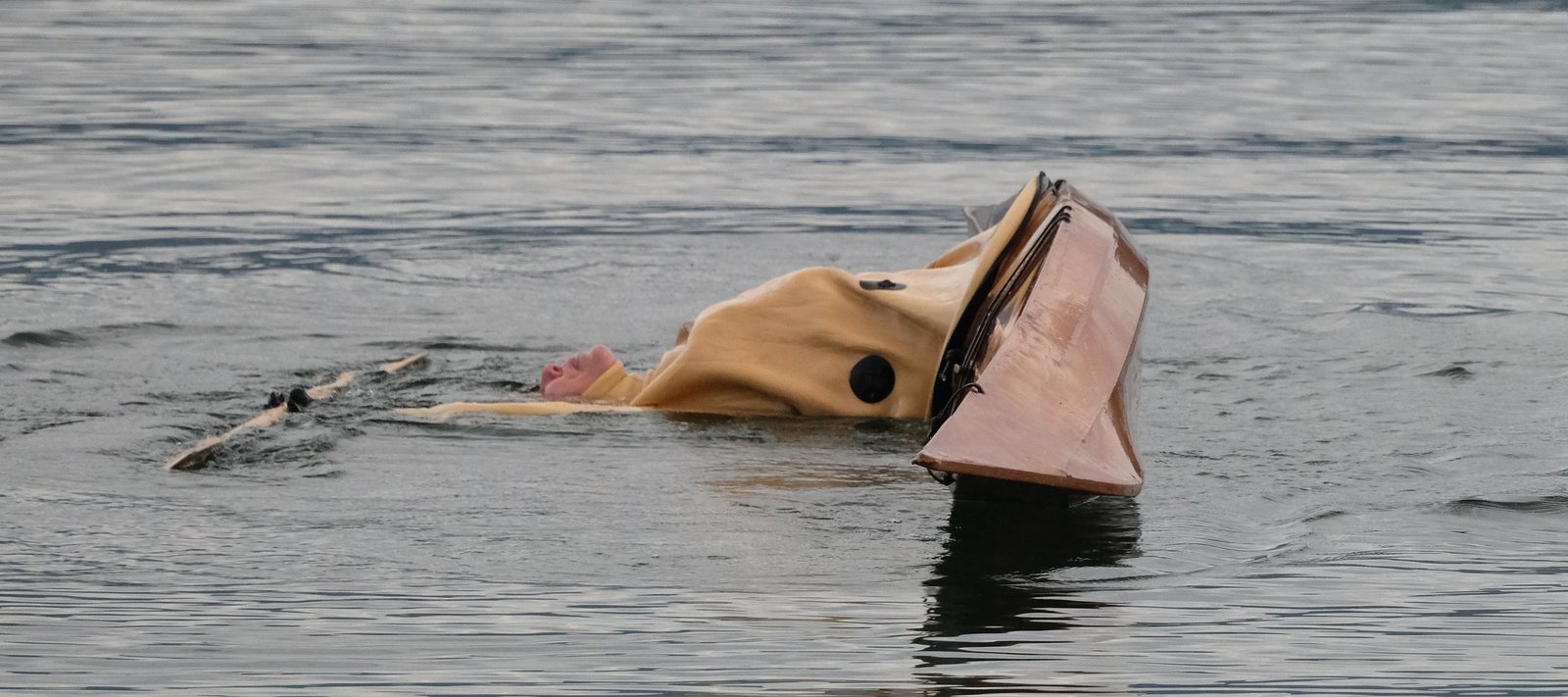
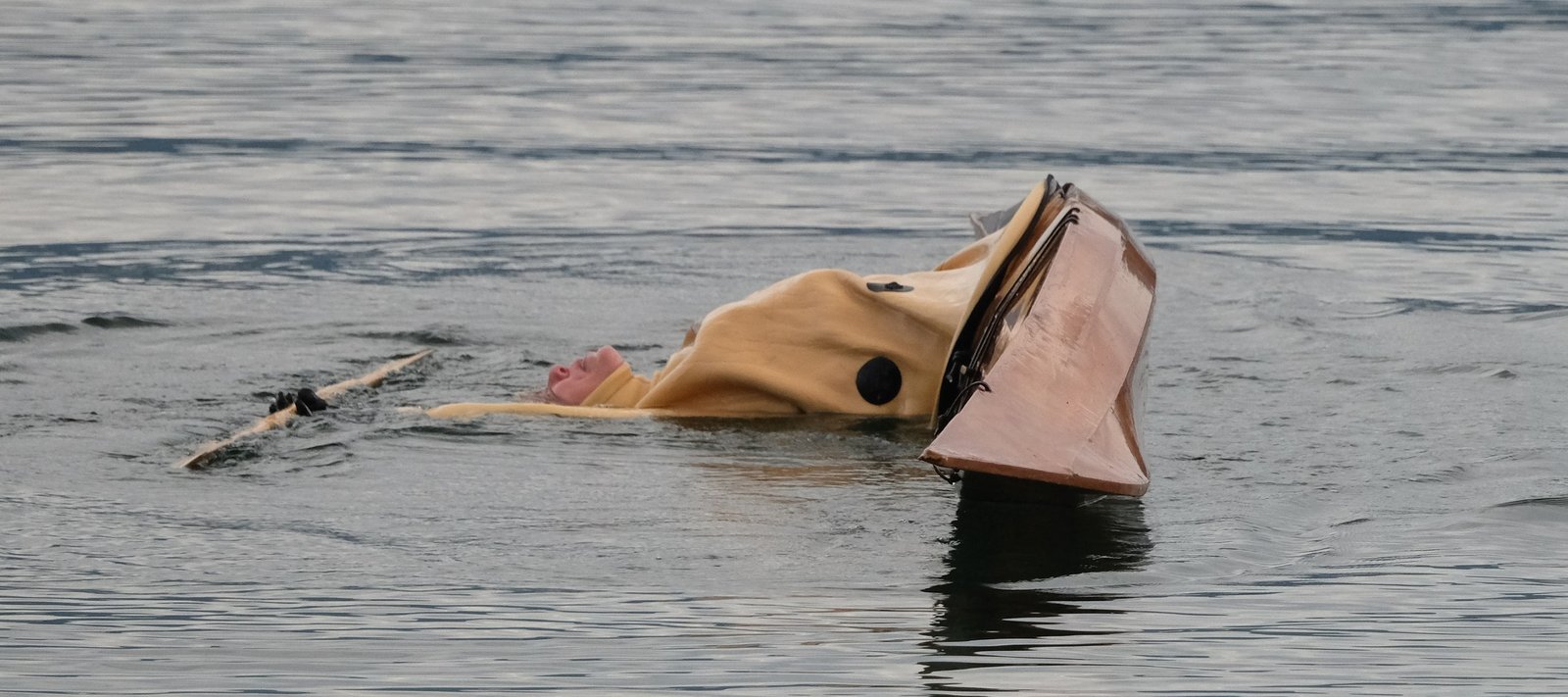
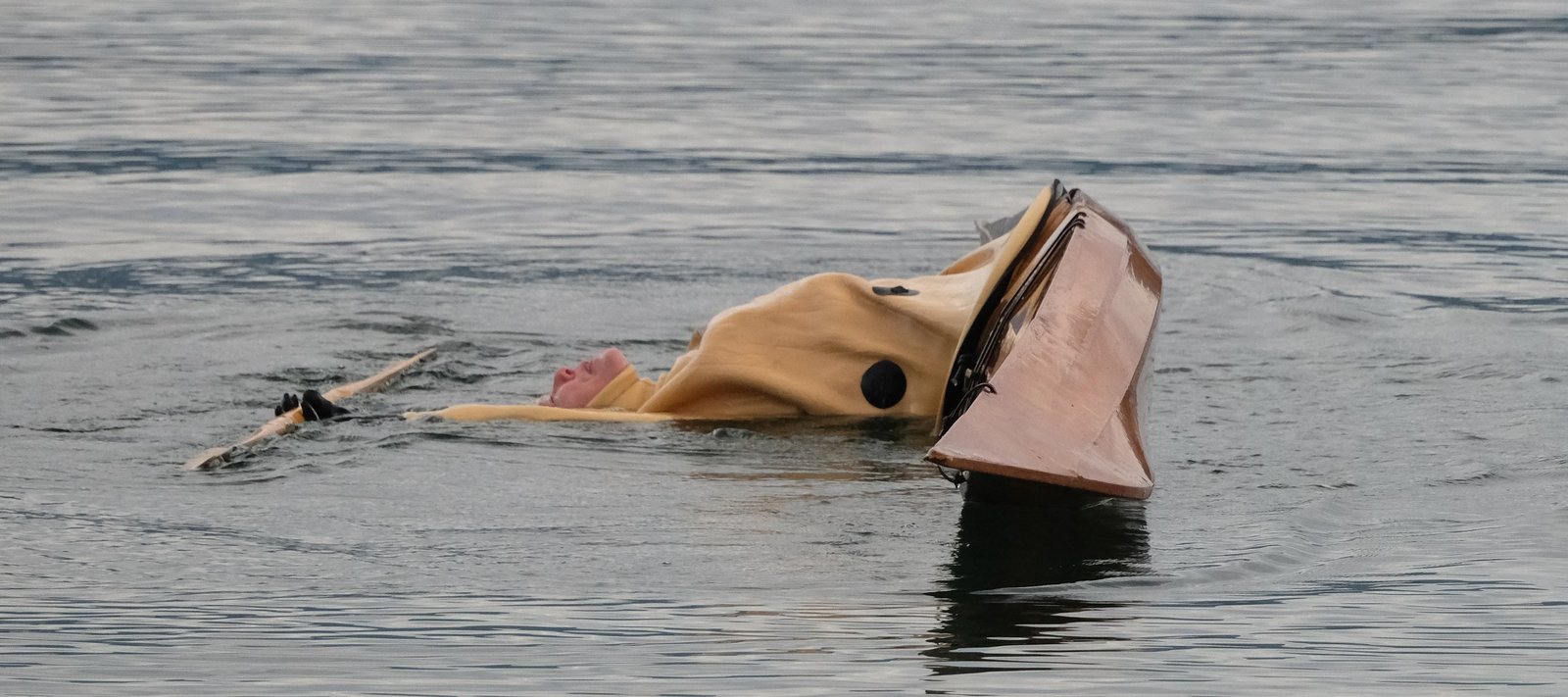
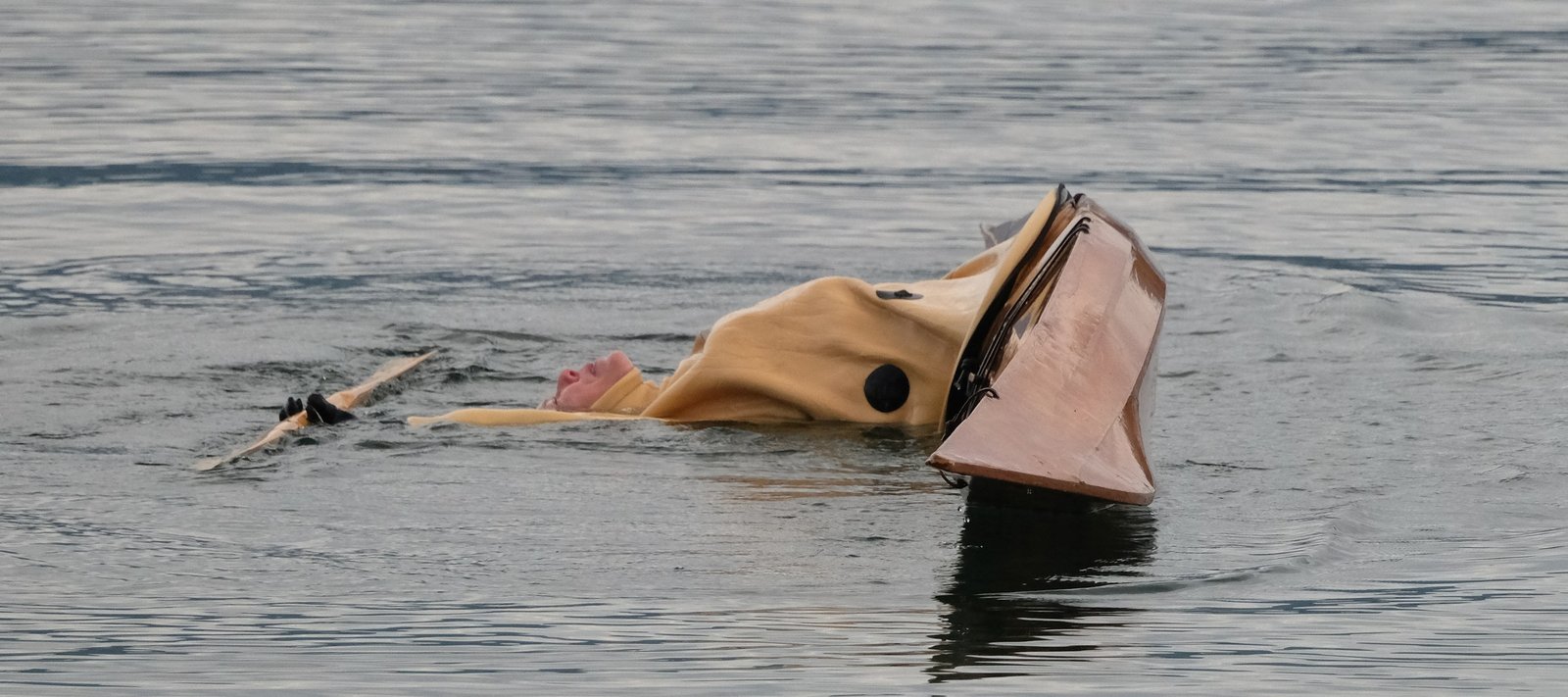
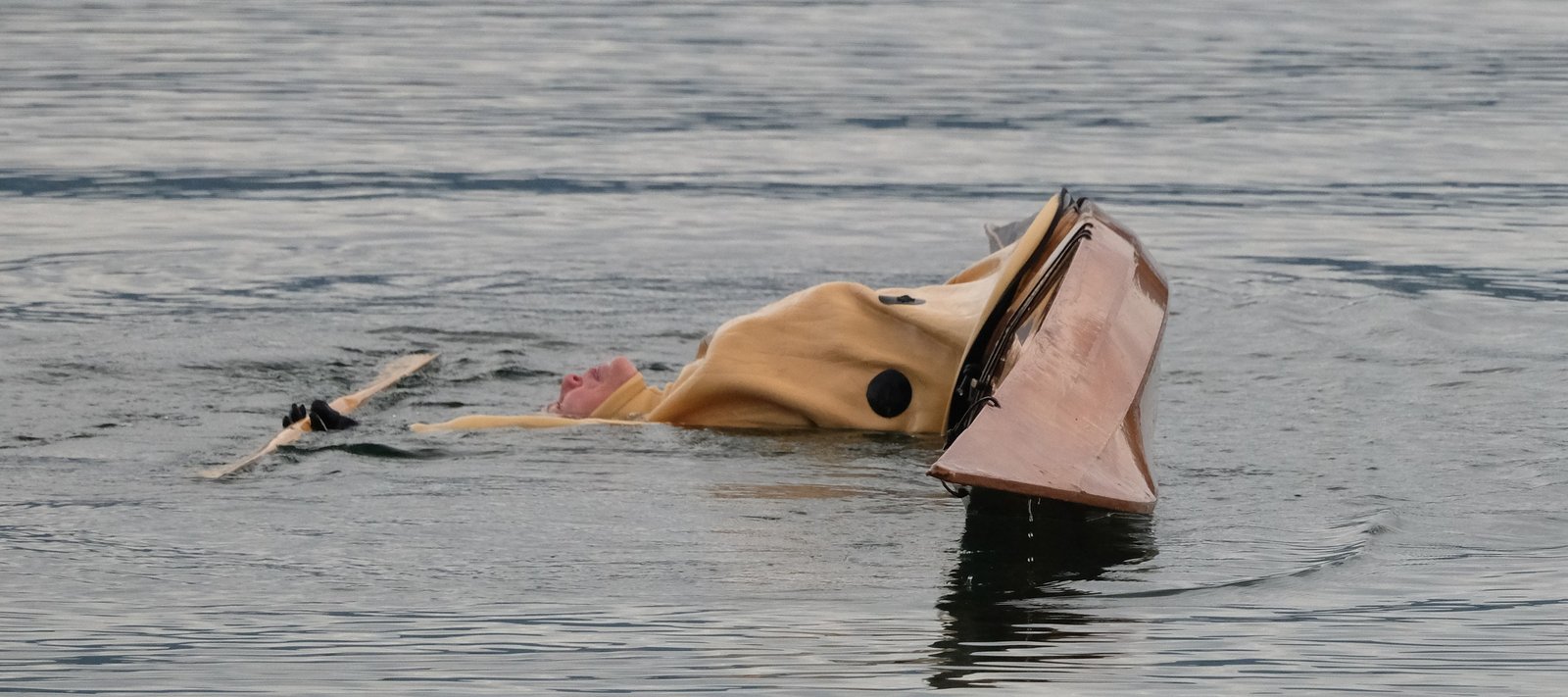
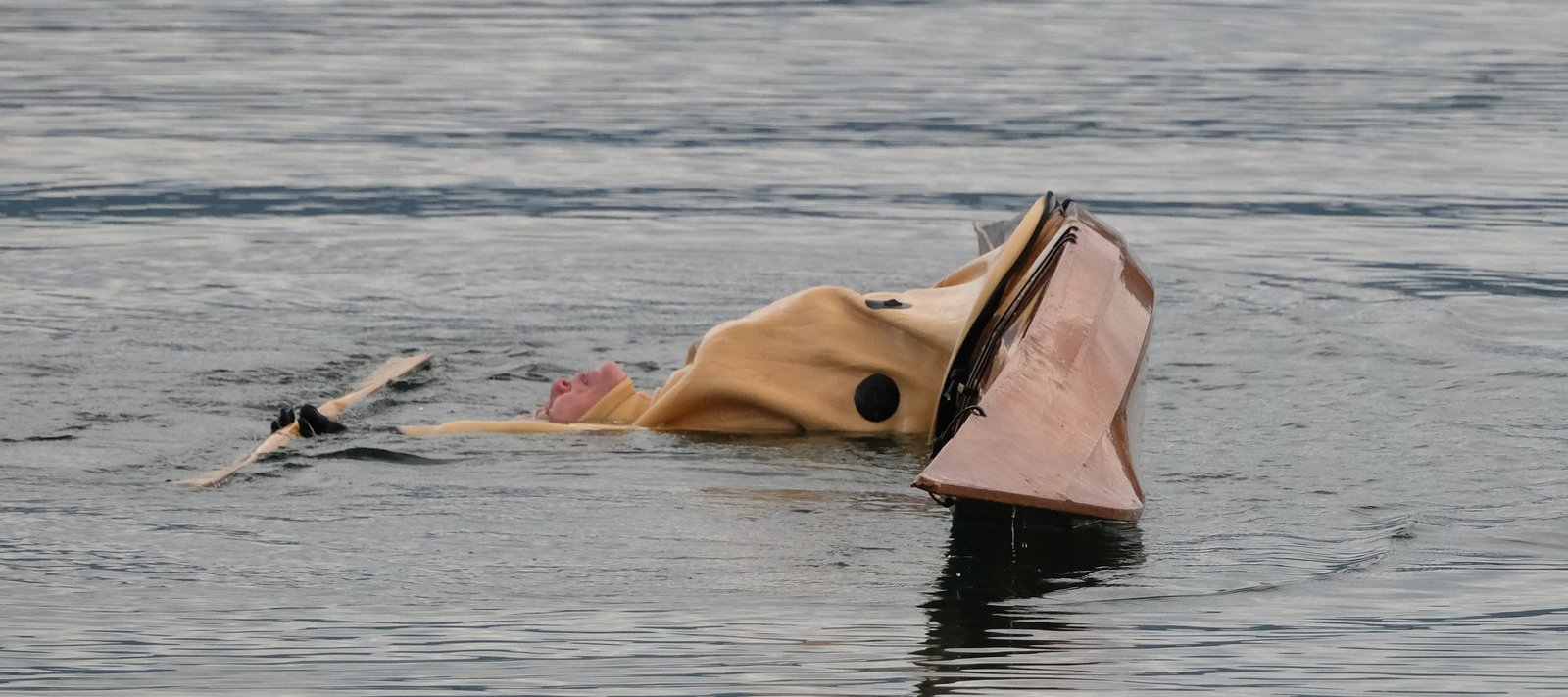
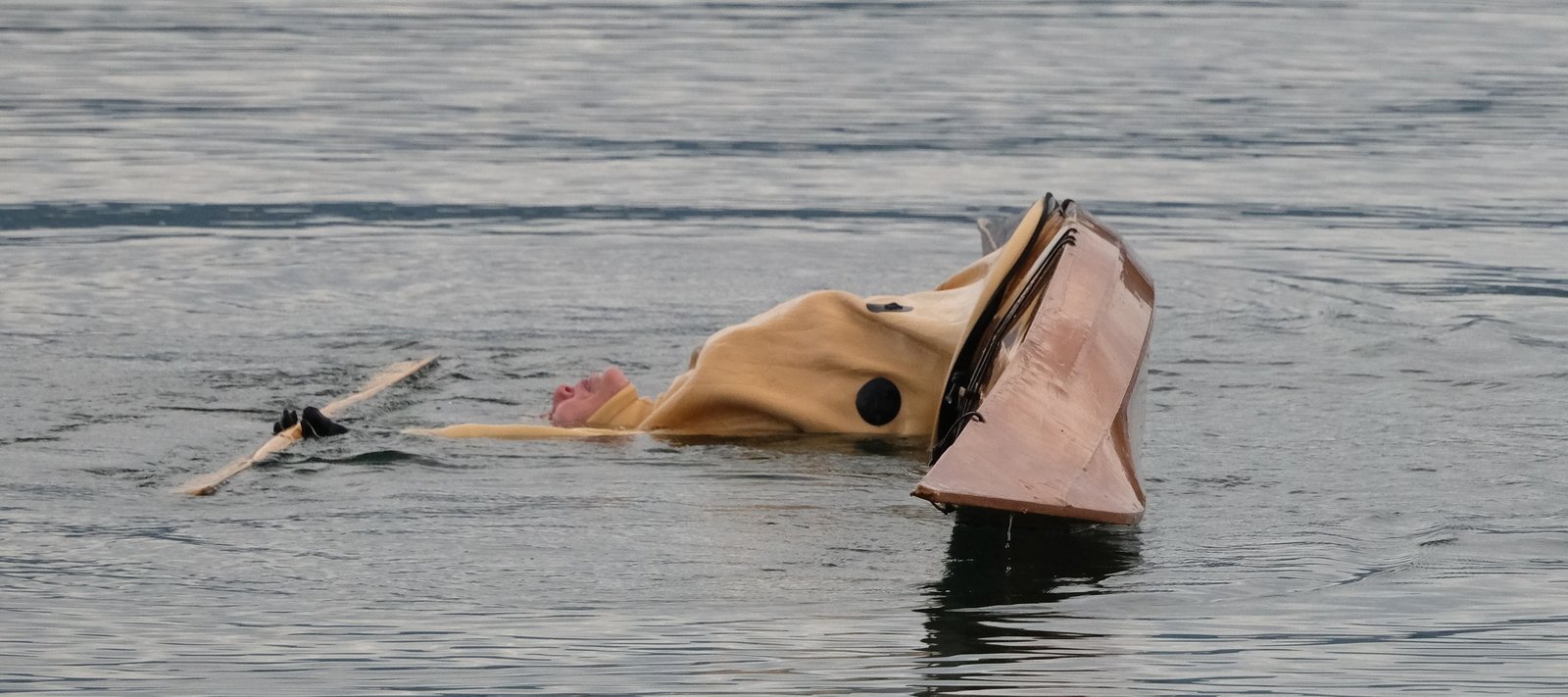
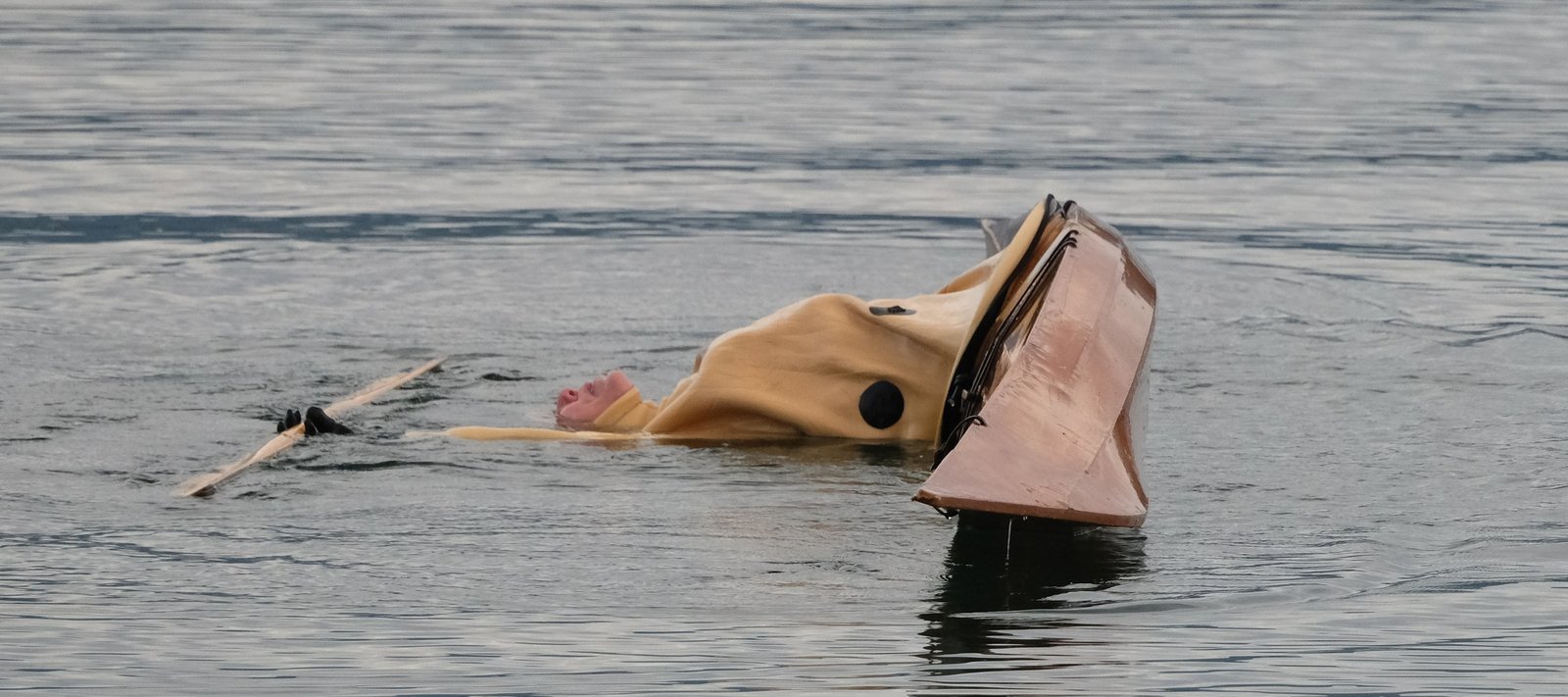
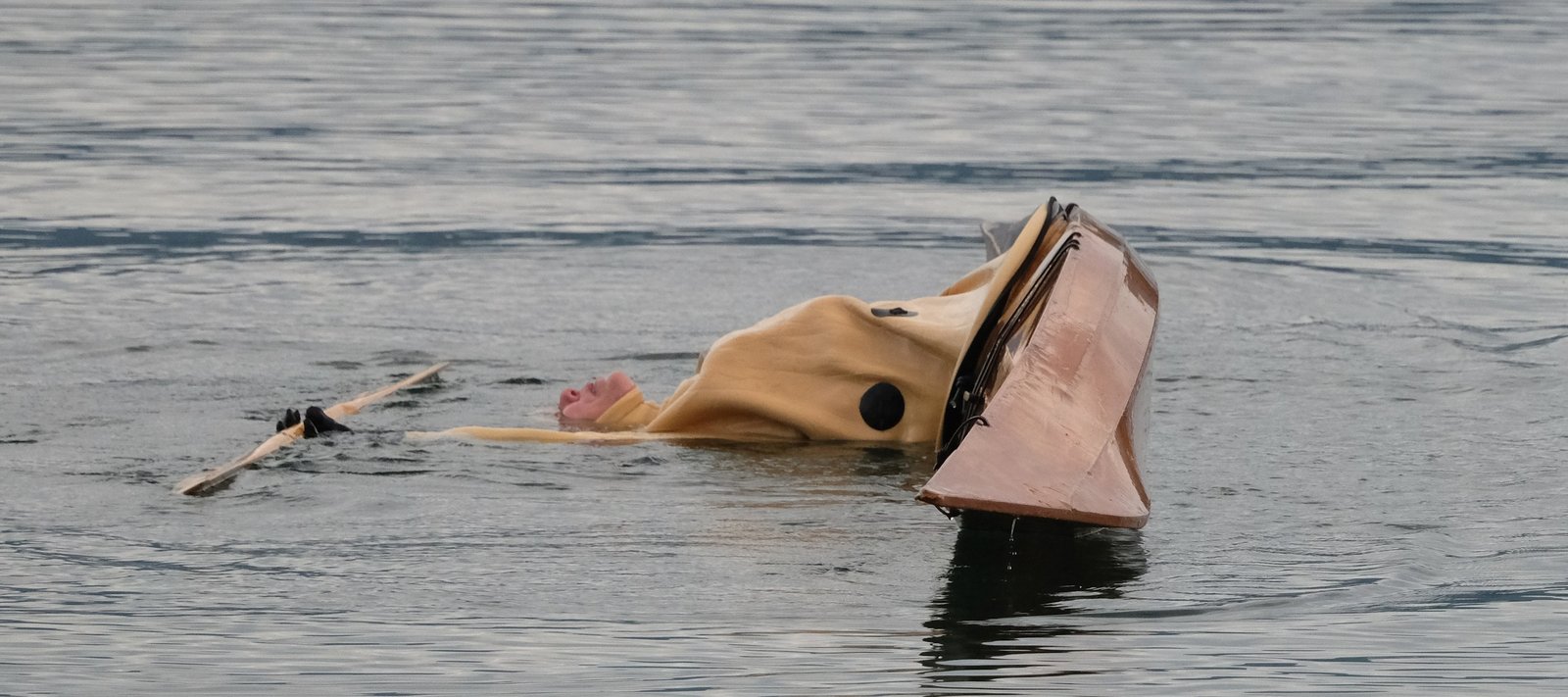
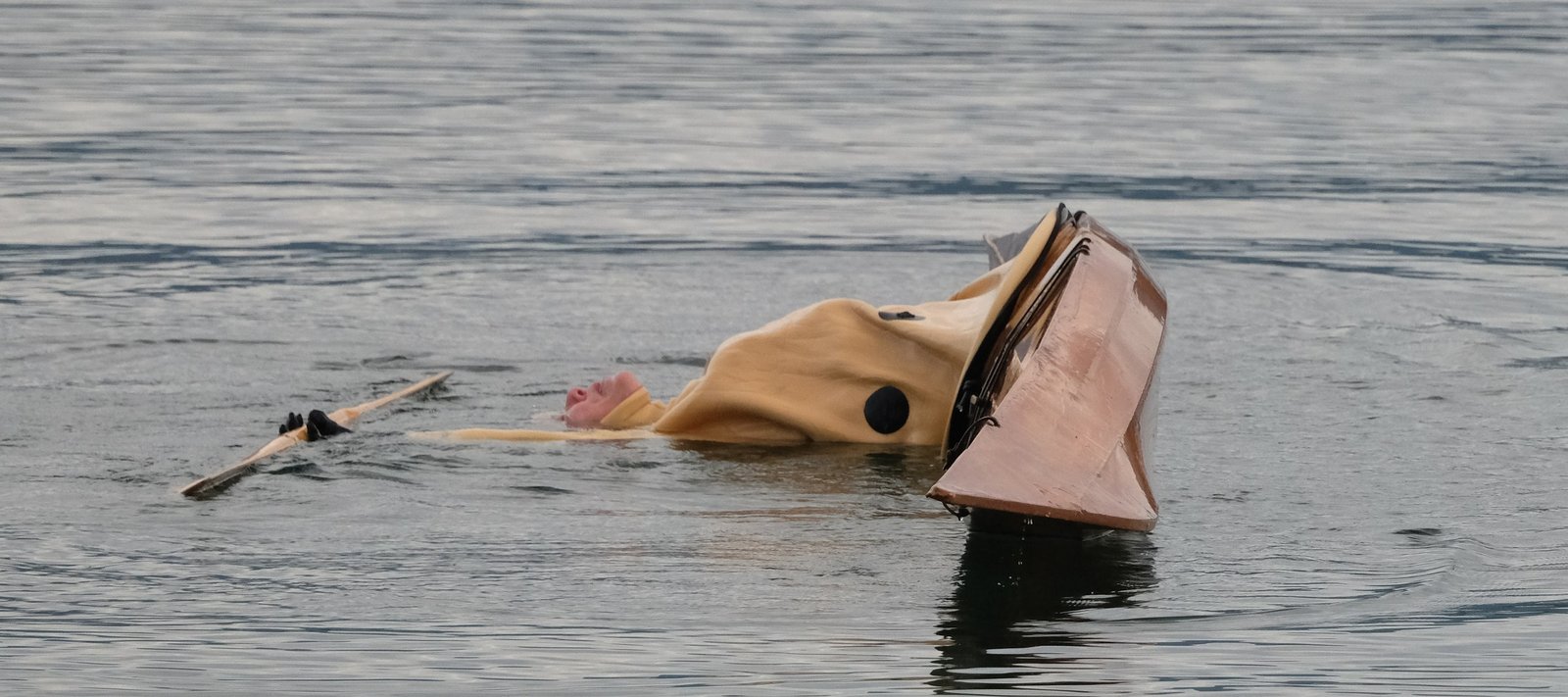
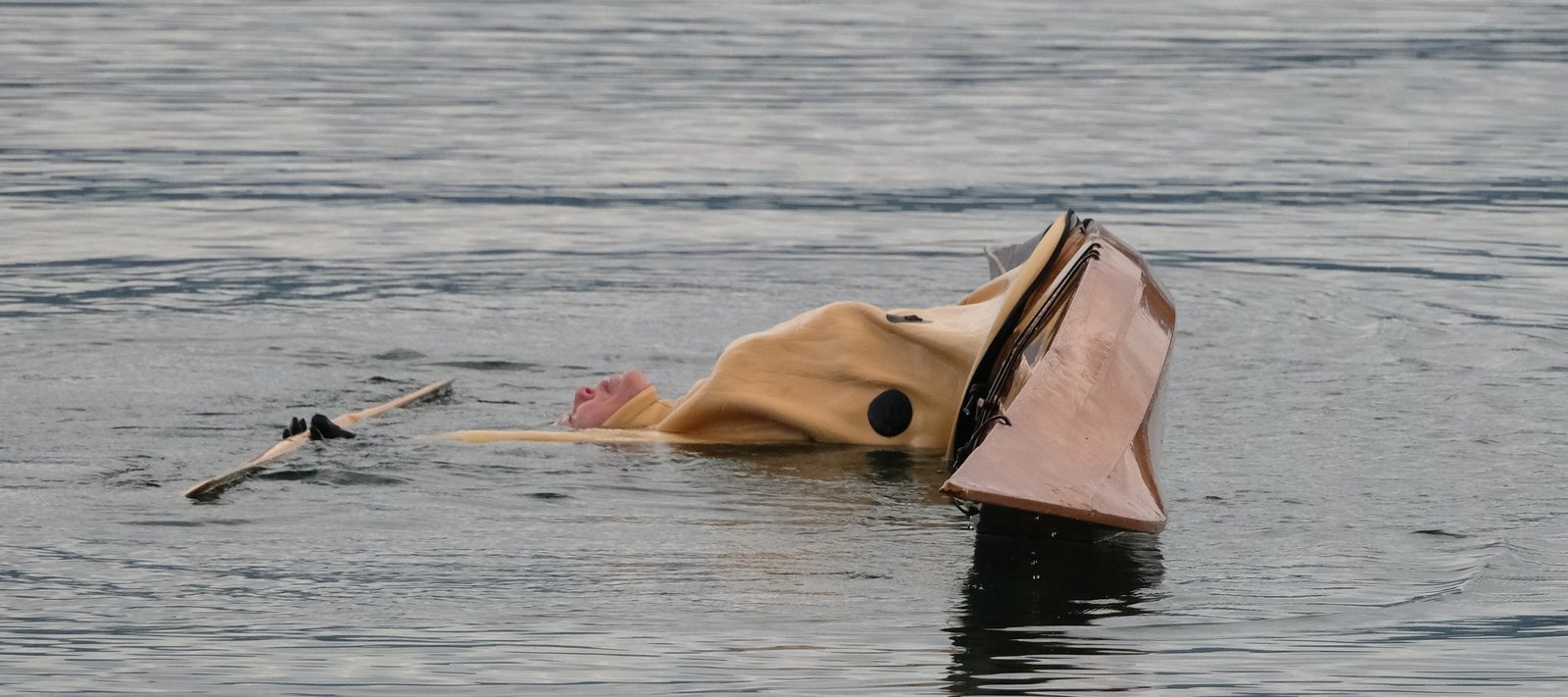
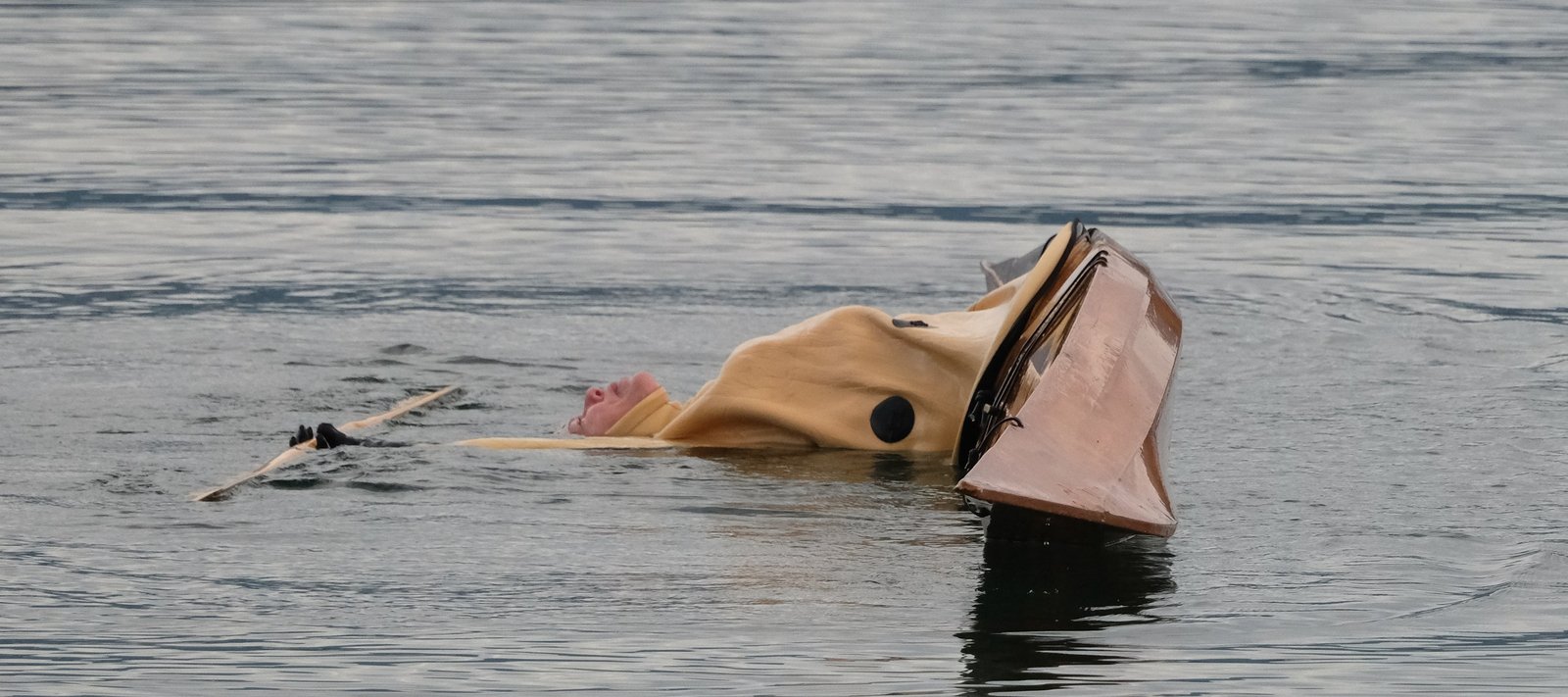
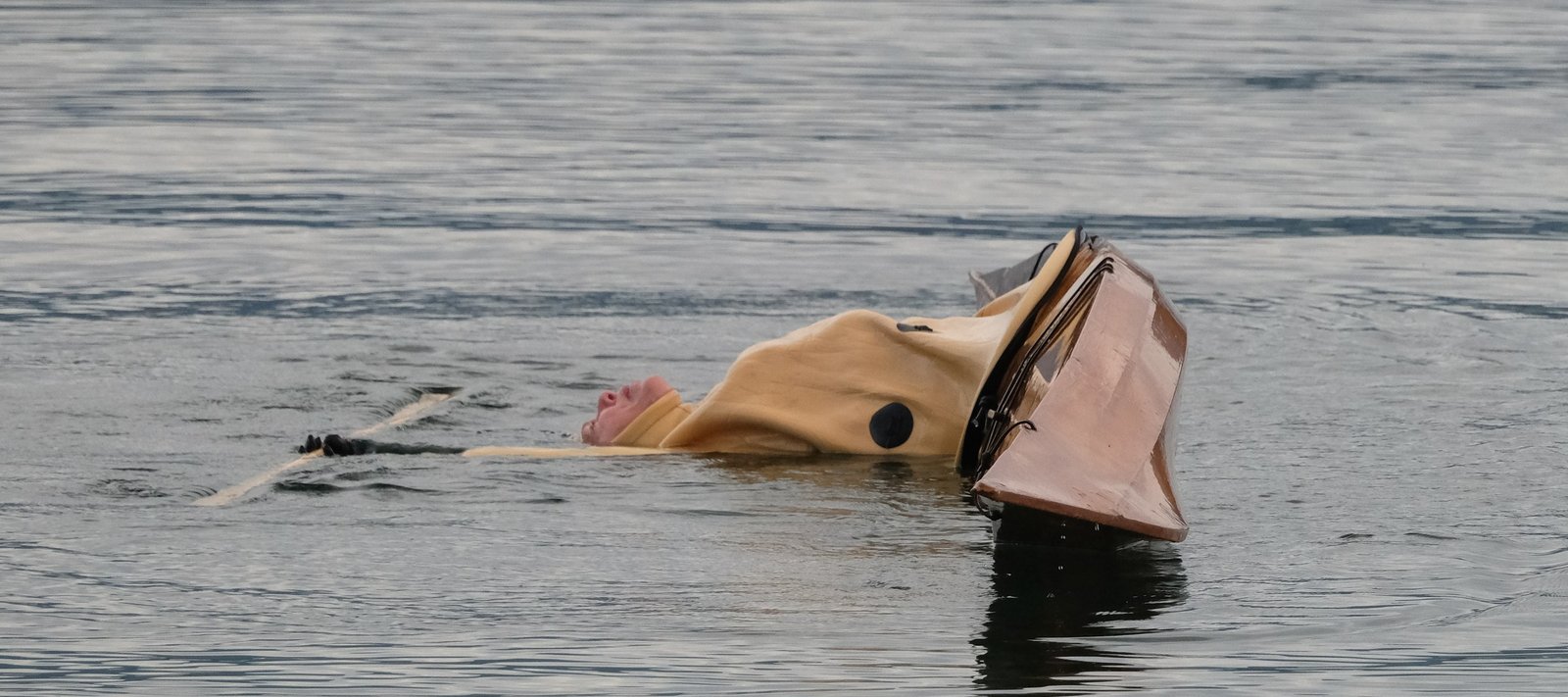
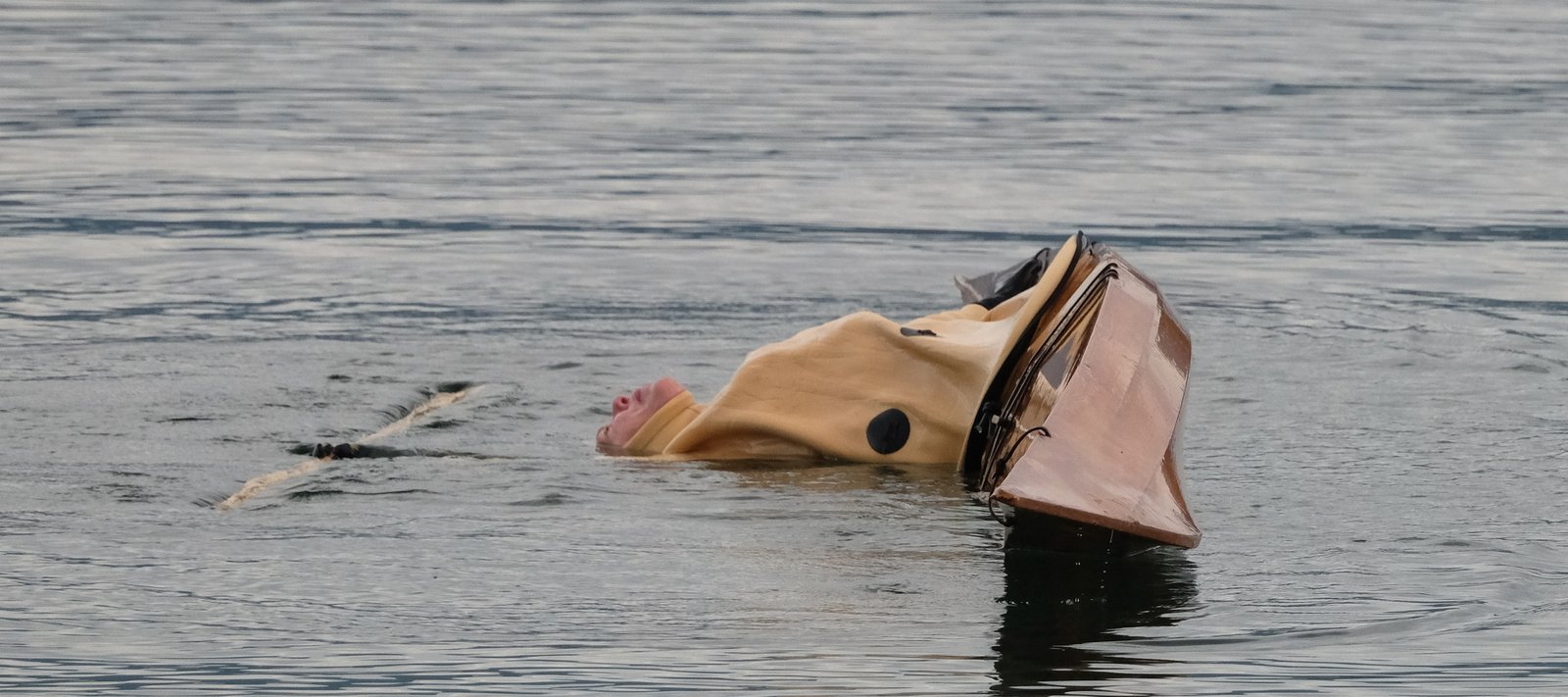
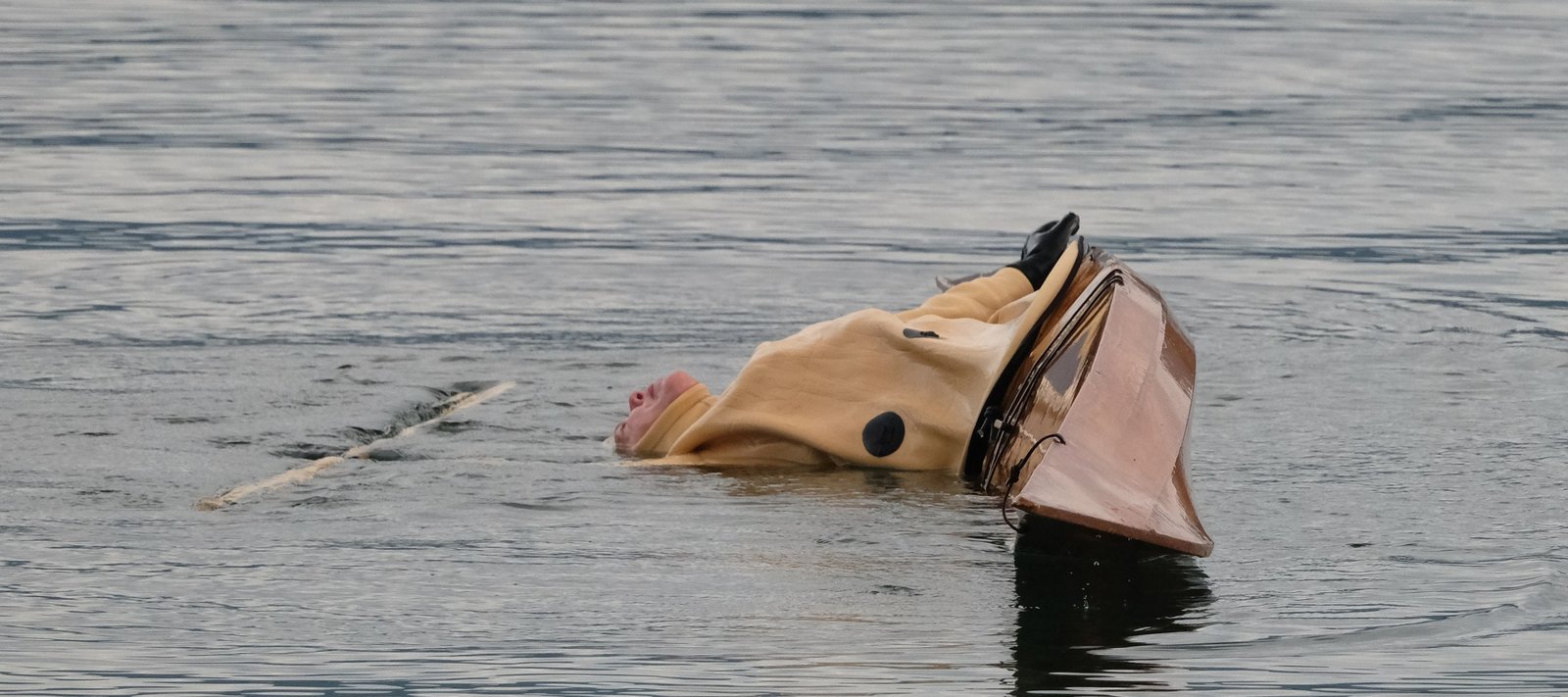
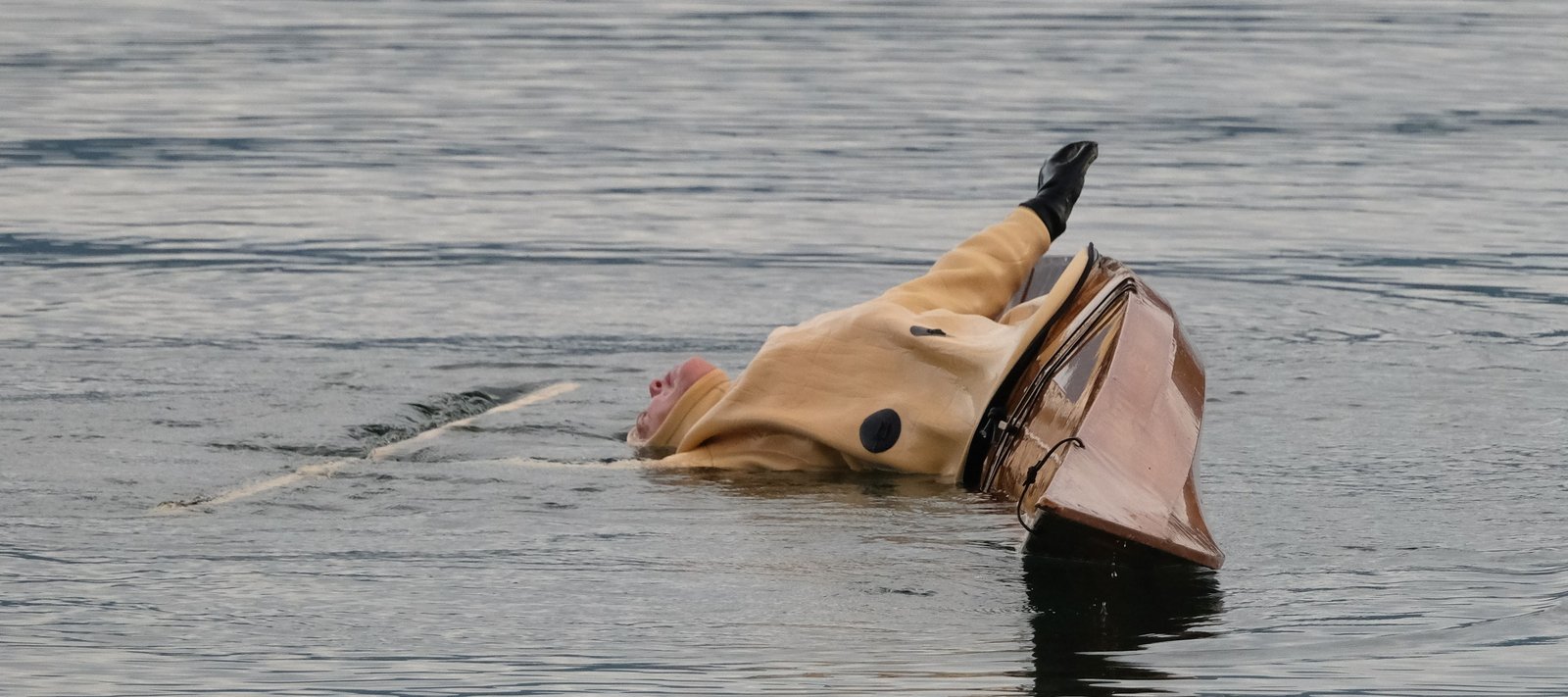
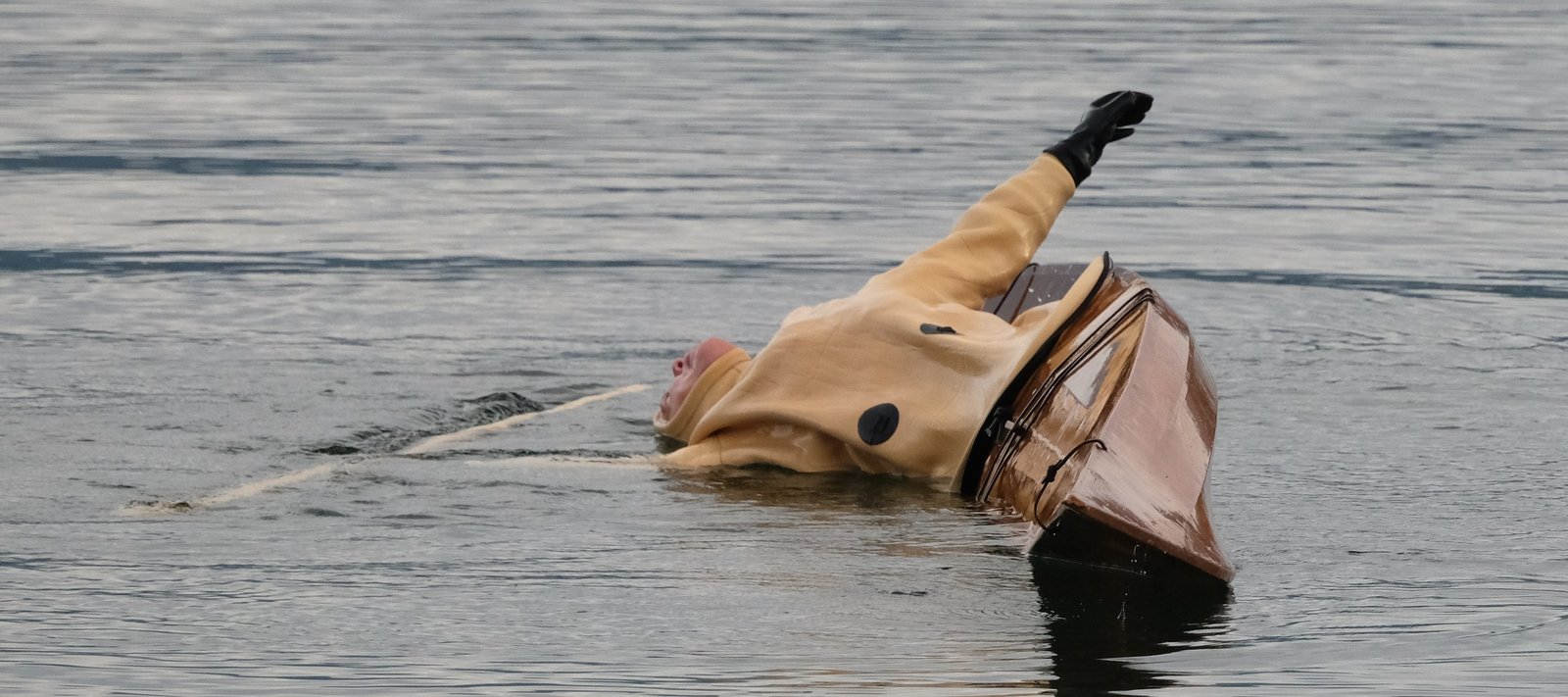
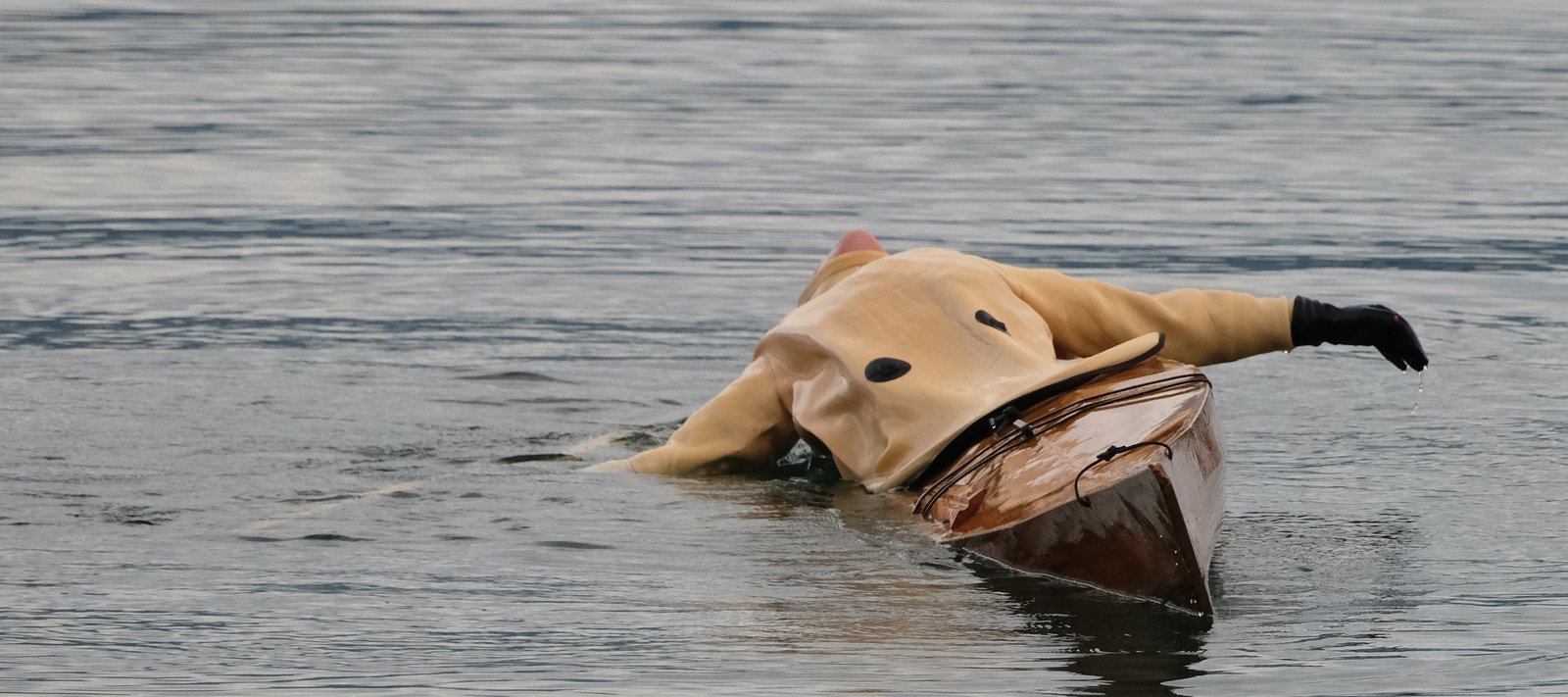
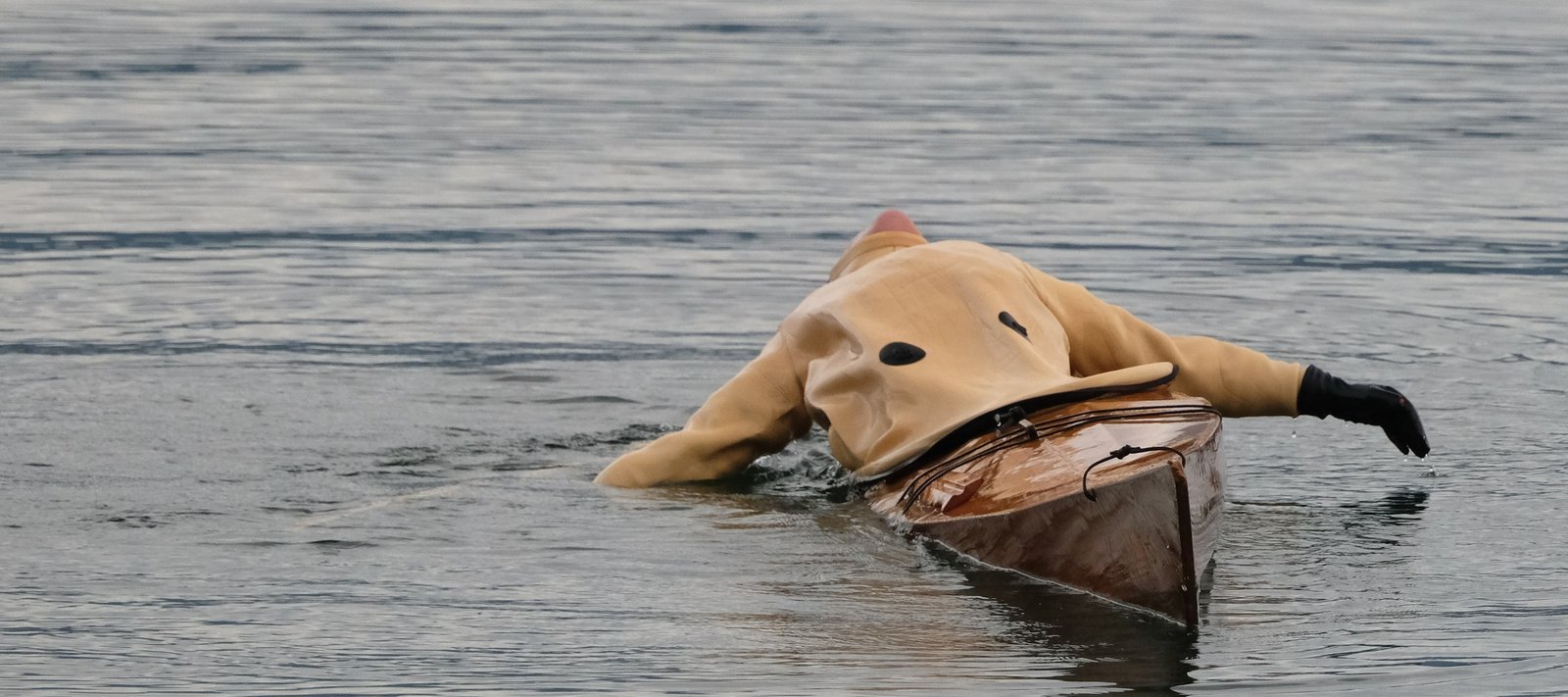
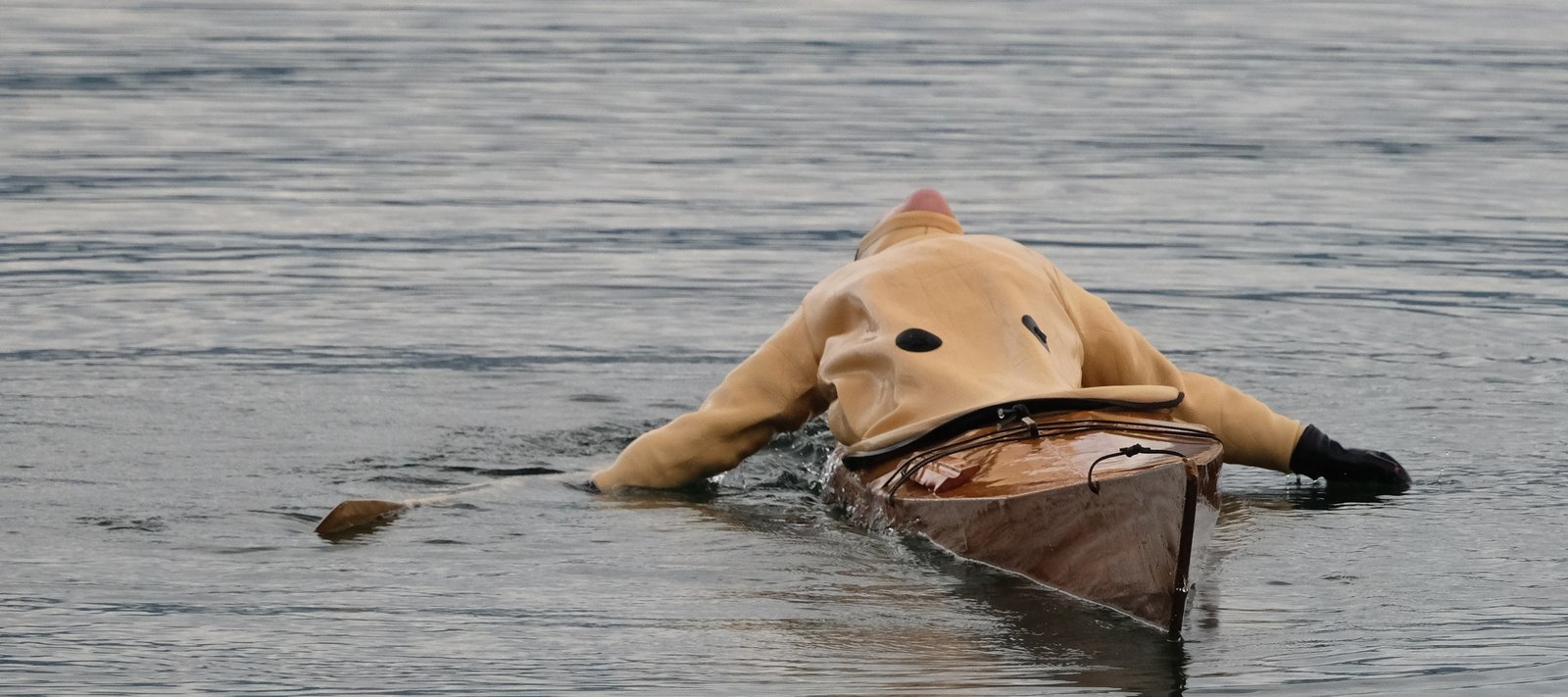
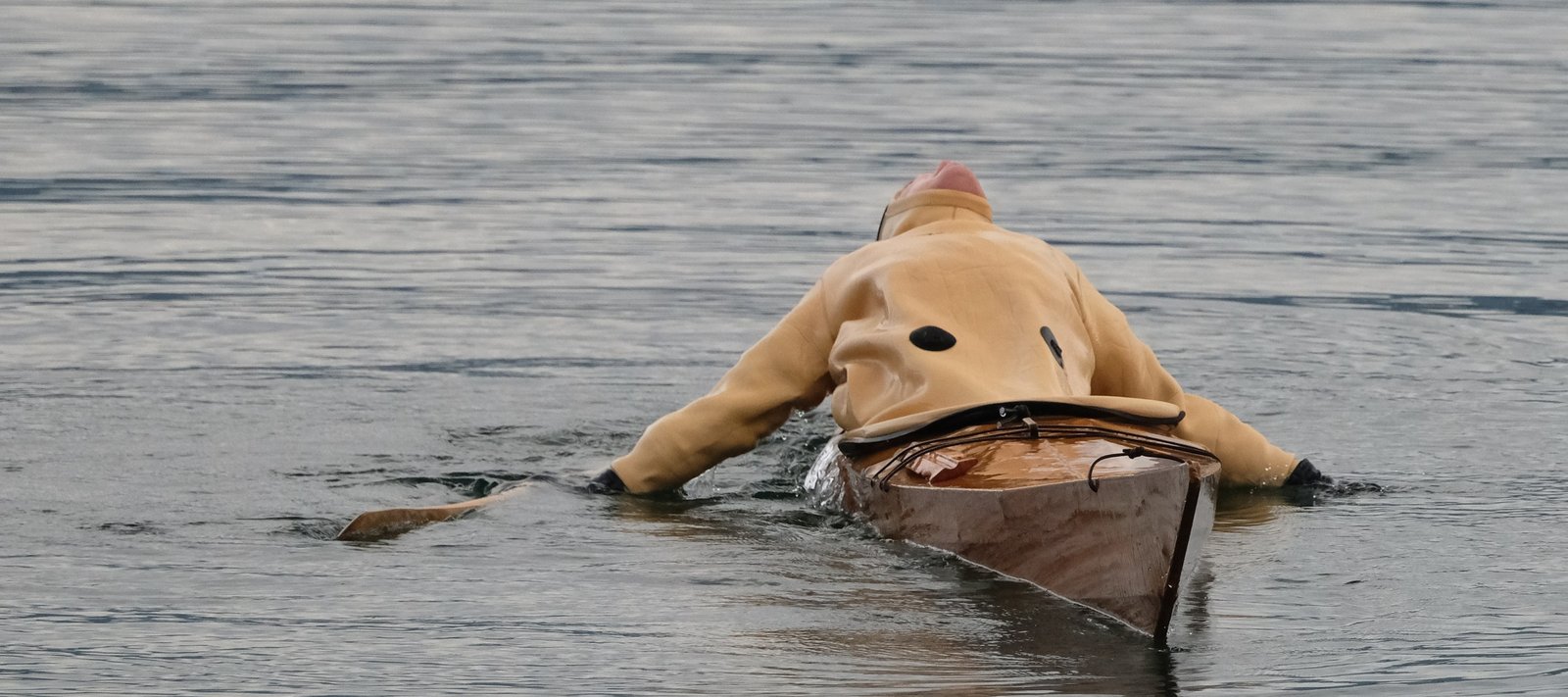
Chessy's static butterfly is much slower: she pauses in the middle.
- She tucks forward as before, but lets the boat go over slowly.
- Upside down, she reaches out with the paddle.
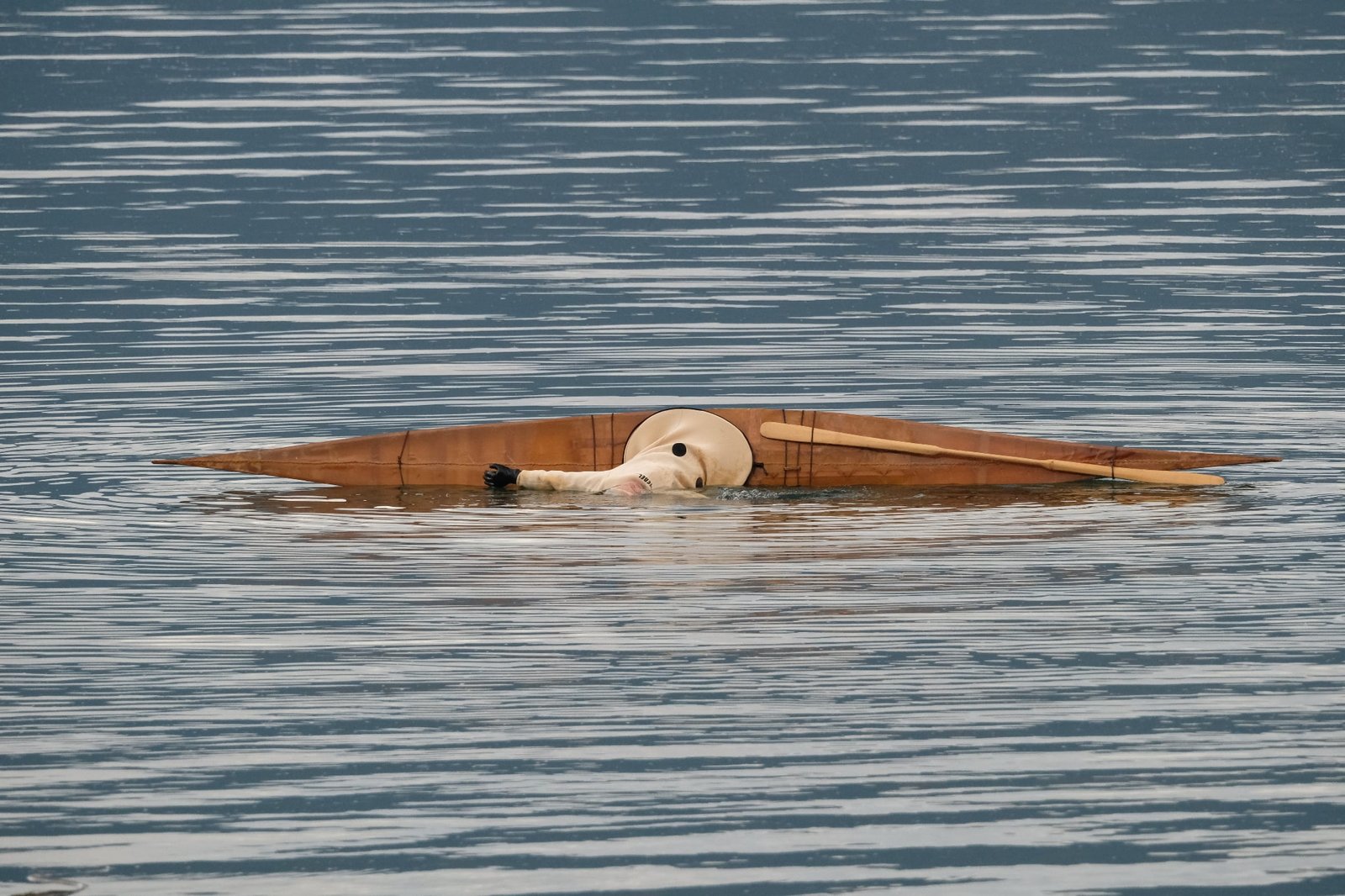
- She floats up into a balance brace: lying back on the water, face up, with the boat on its side and the paddle on the surface. It's the same position as the photo at the top of this post.
- She holds this position for several seconds, but could stay as long as she'd like.
- Slowly she brings her leading arm over the deck, and the boat turns upright under her as she recovers to the back deck and sits up.
At any point from step 3 on, she could stop and wait. That's what makes a roll static.
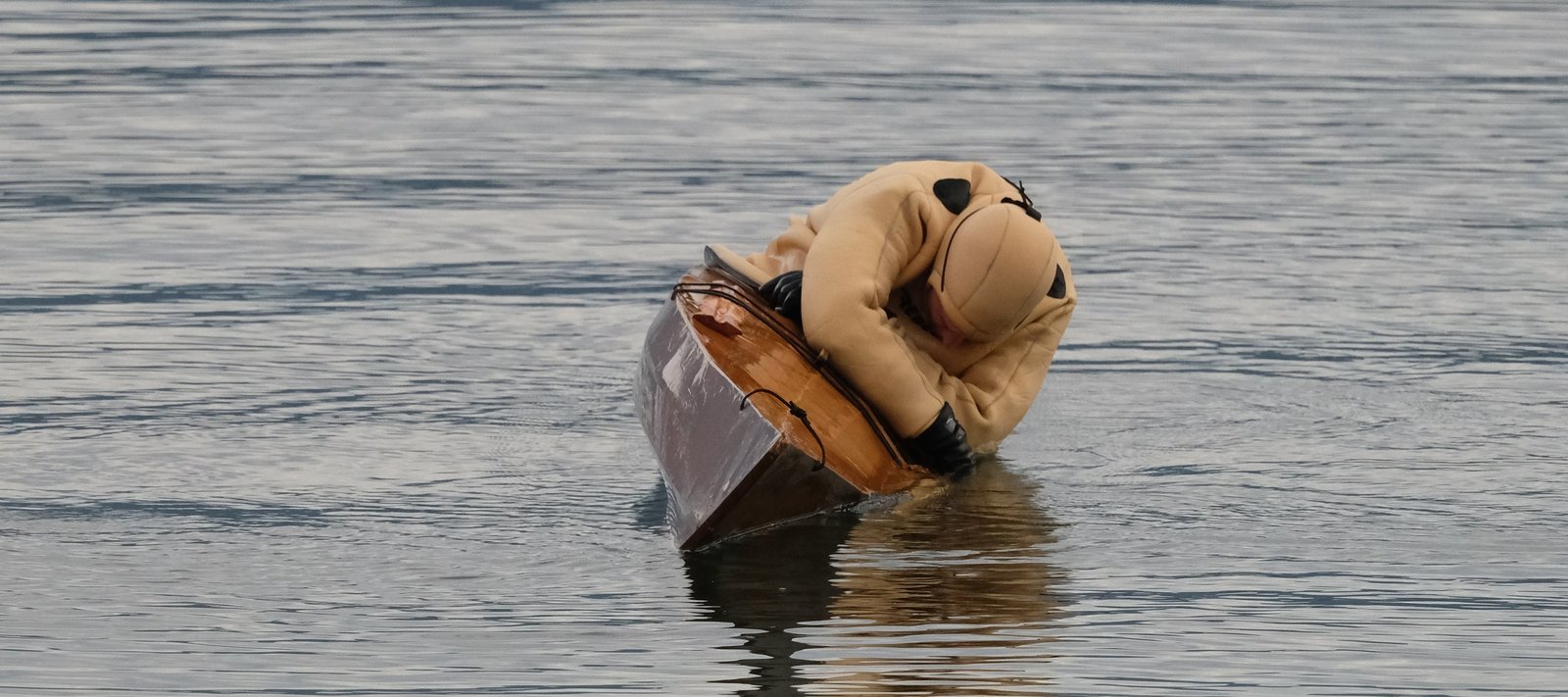
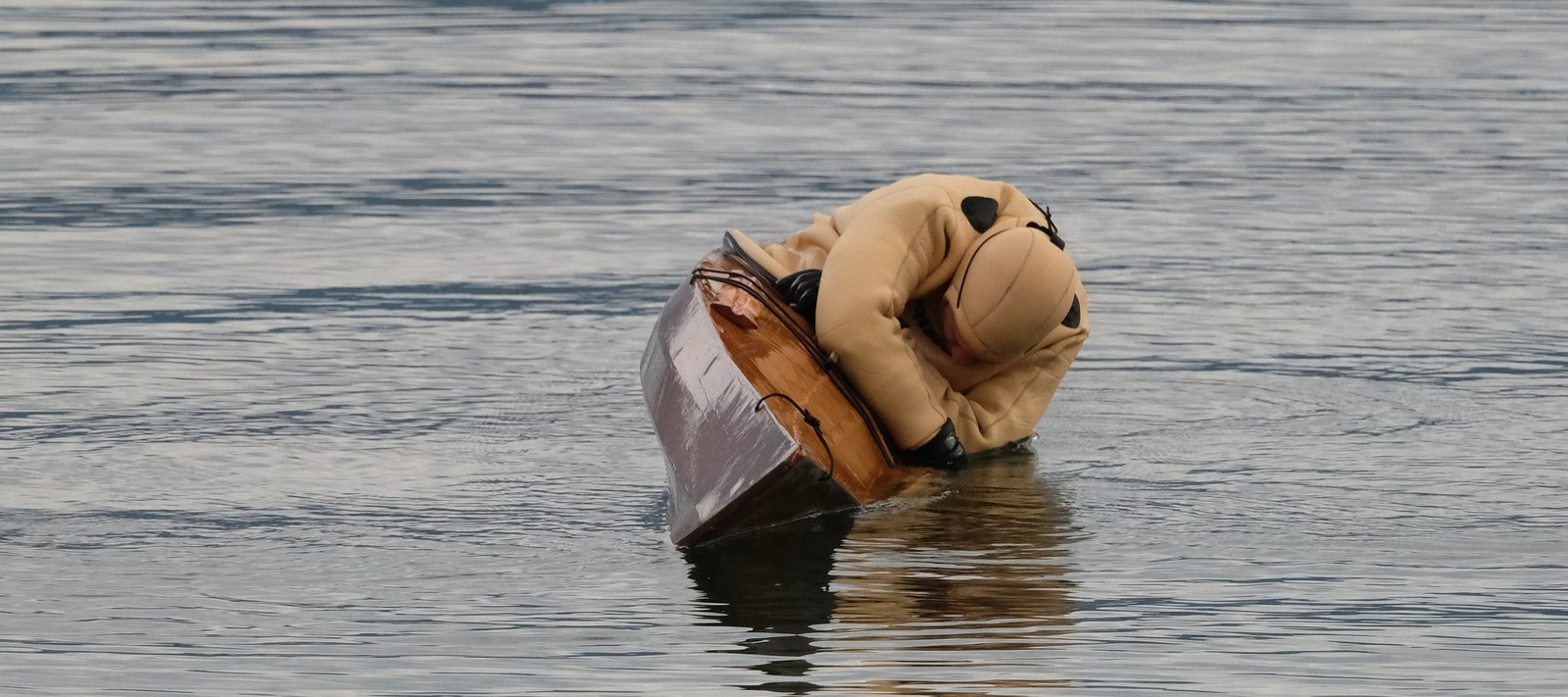
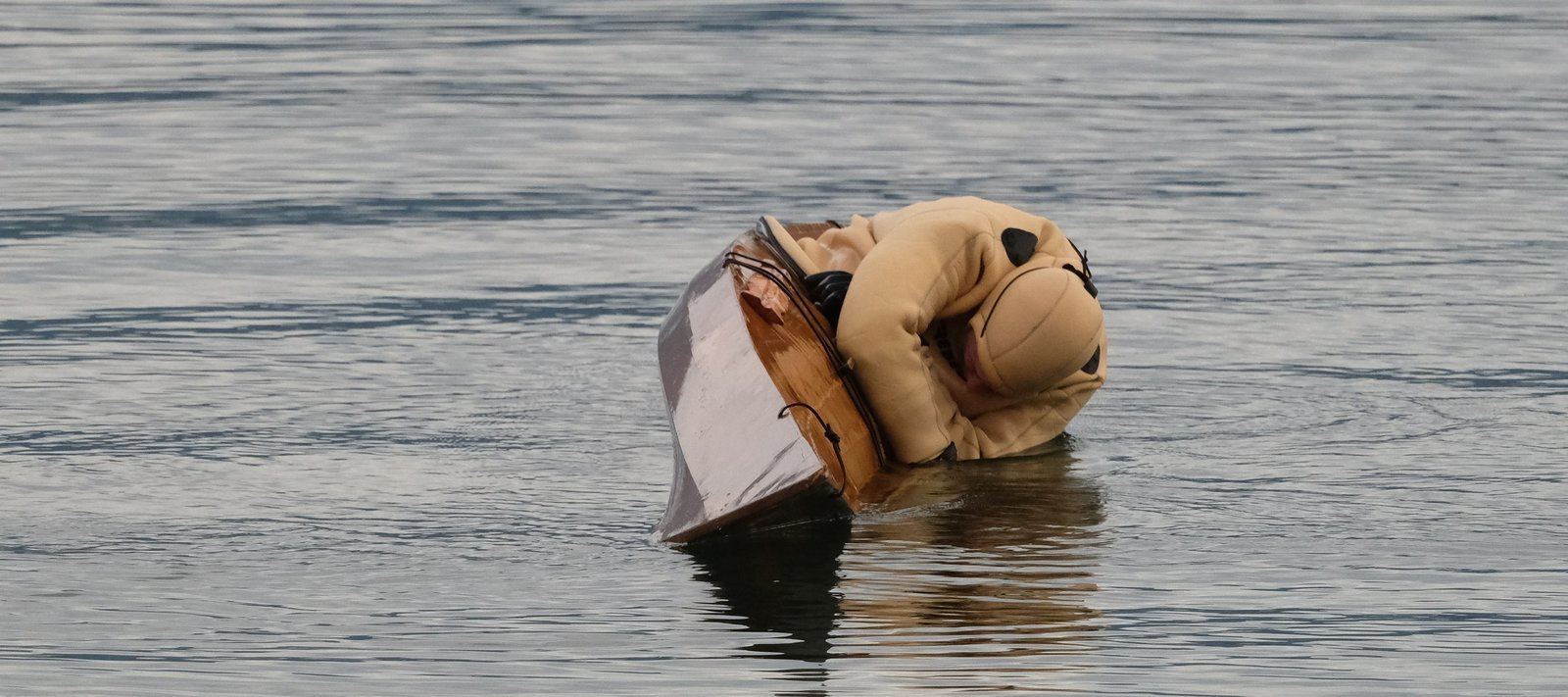
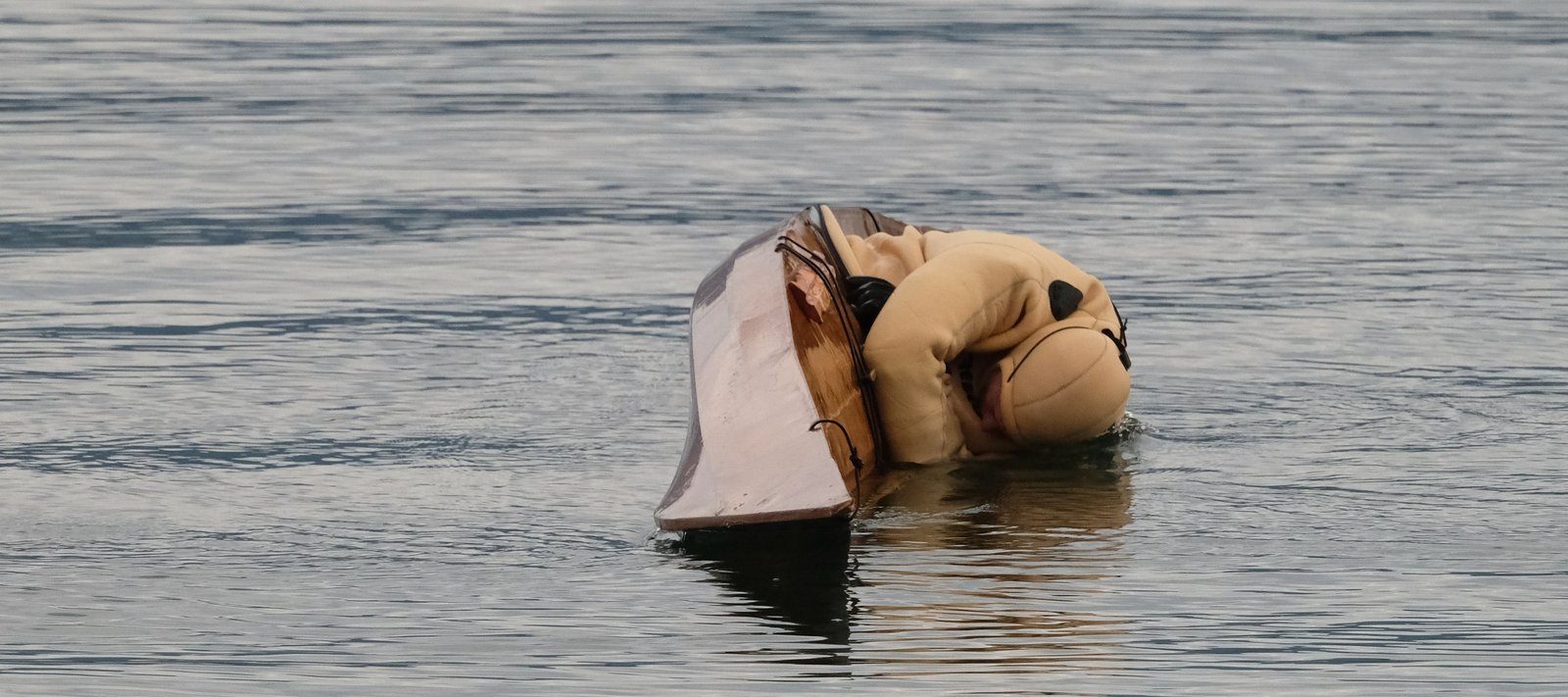
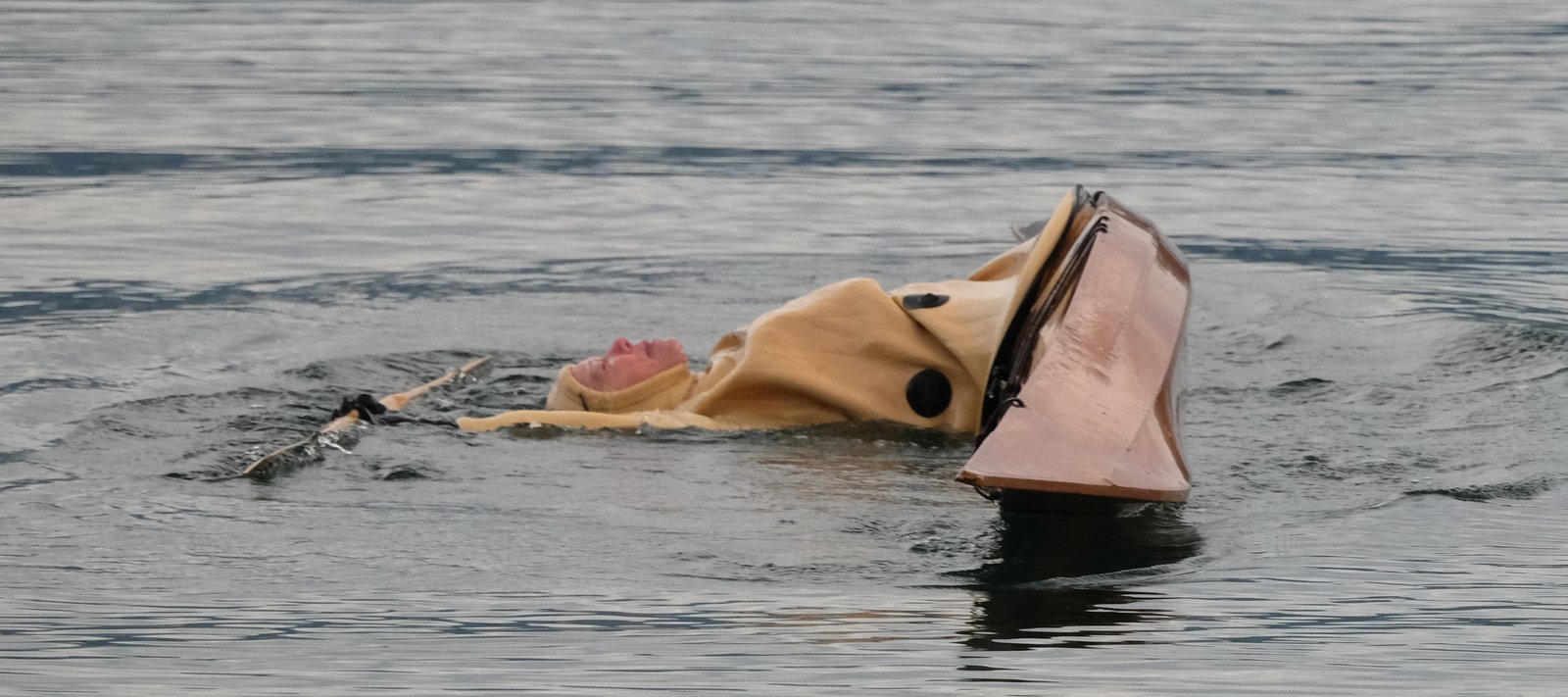
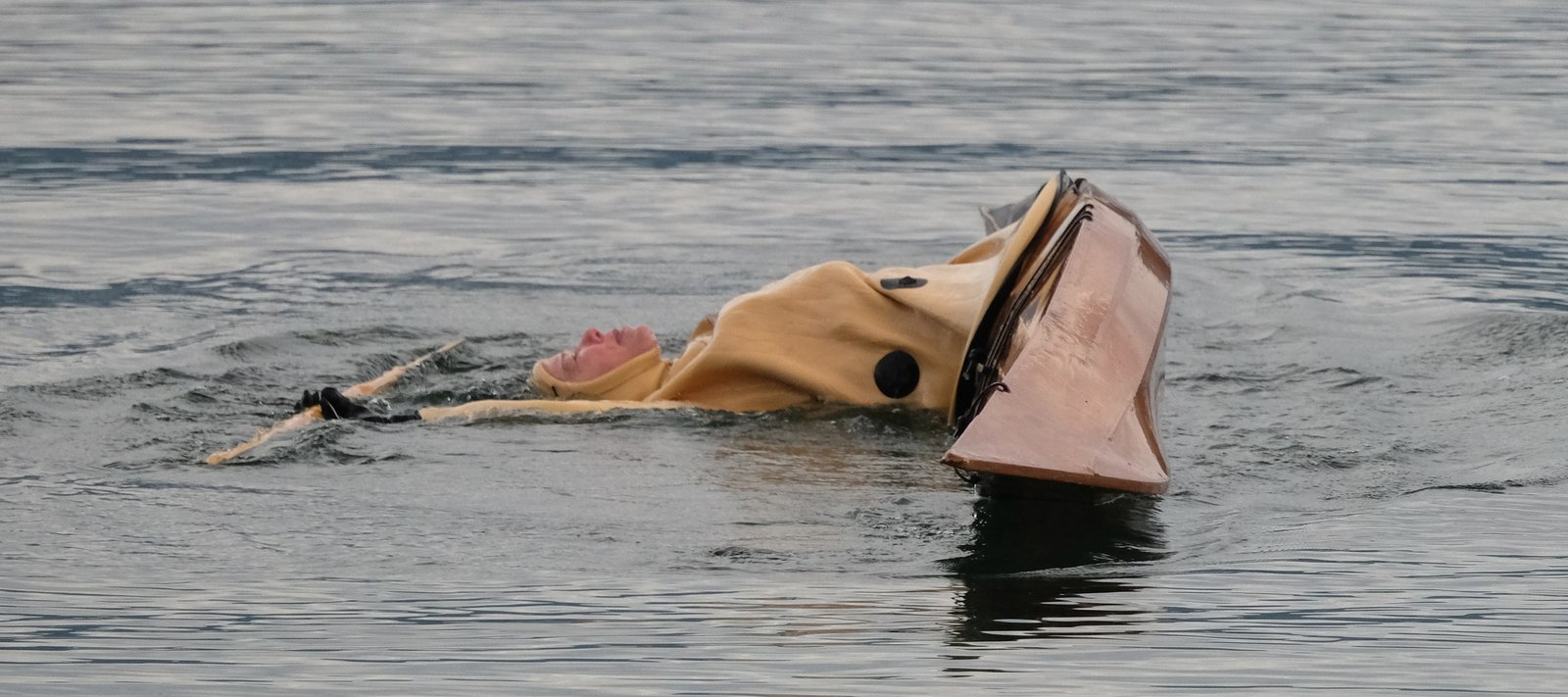
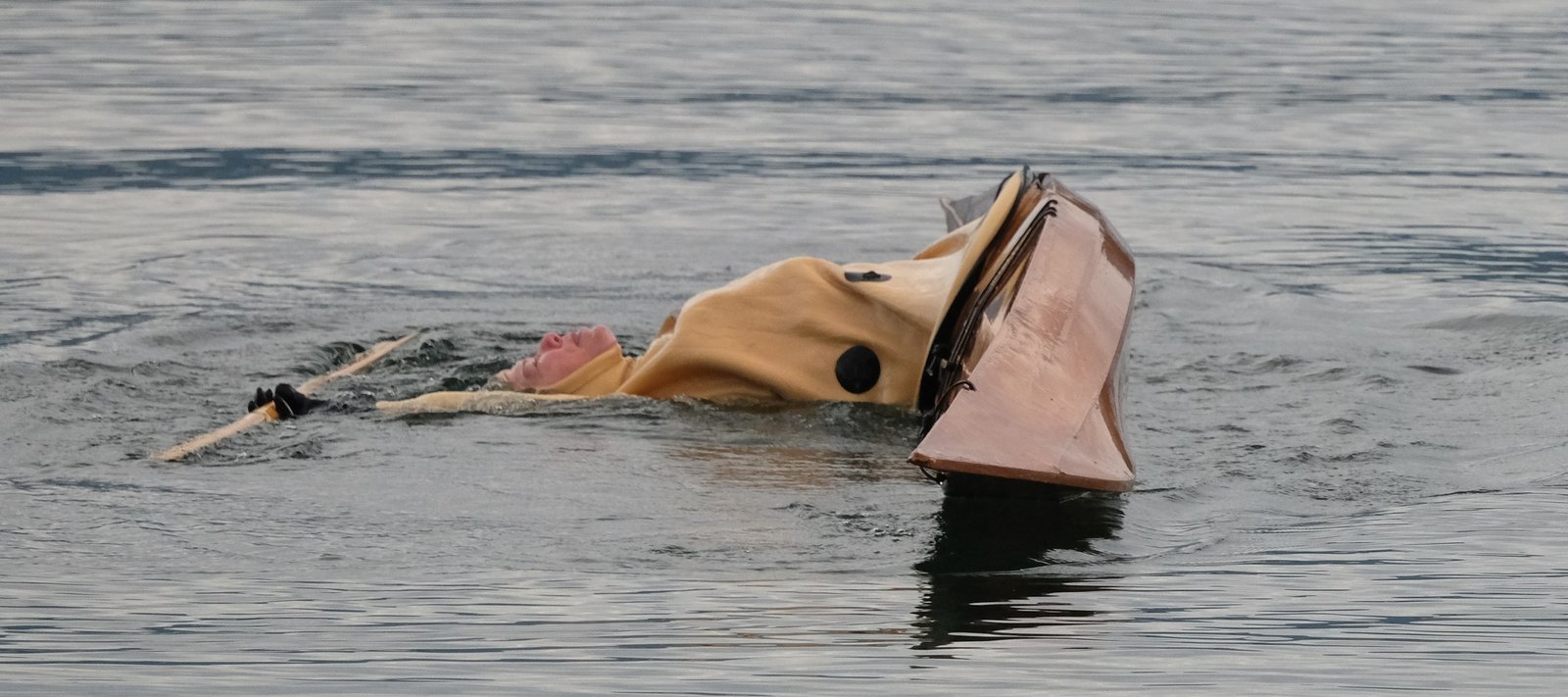
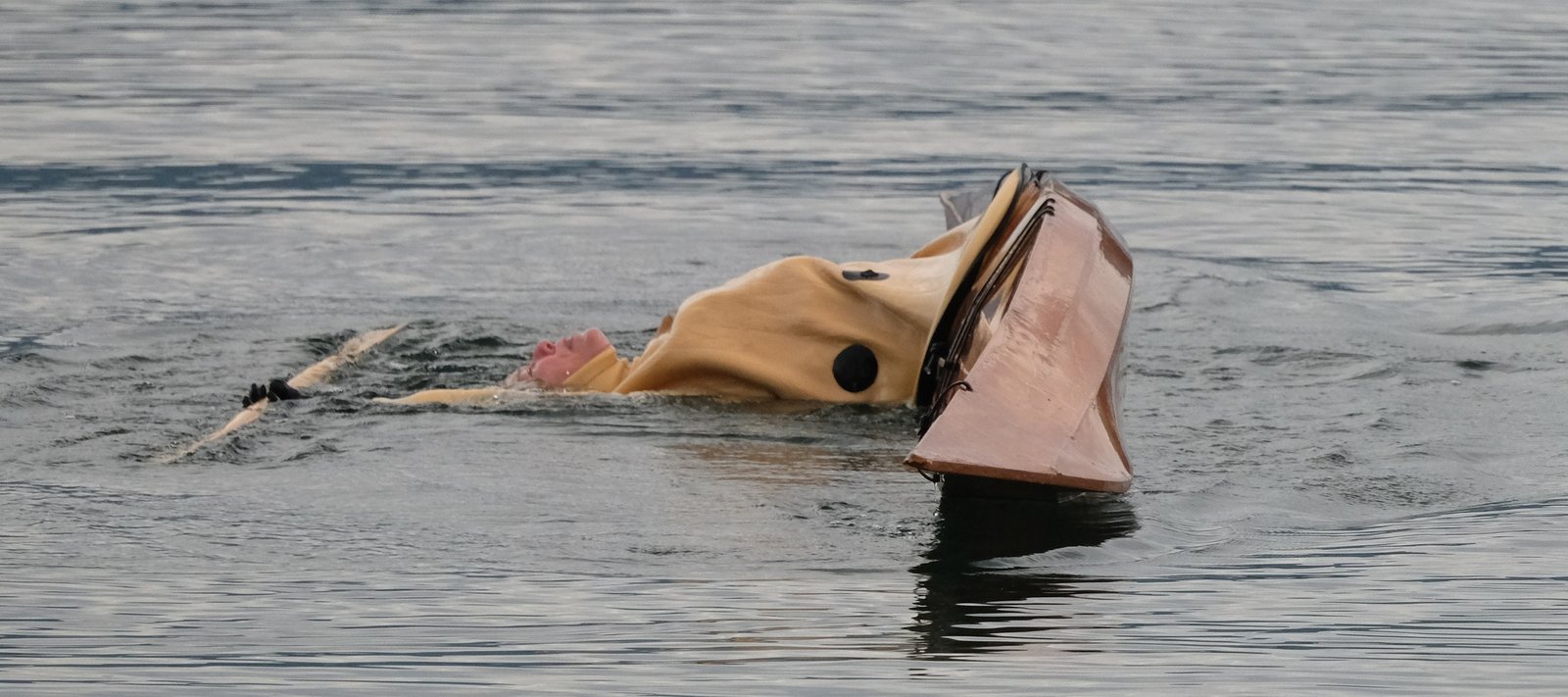
Where the styles meet: the straitjacket roll
To see where the two styles end up, I turned to two videos I knew well. One is Cheri Perry's straitjacket roll progression from her Kalaallit (Greenland) Rolling Course on Online Sea Kayaking. The other is David Täng doing the same roll on his website qajaqrolling.com. At full speed I couldn't tell their rolls apart. So I screen-recorded the clips and stepped through them a few frames at a time, then lined the two up side by side.
The two straitjacket rolls side by side, at half speed.
The straitjacket roll is the ultimate layback roll: arms crossed over the chest, no paddle and no hands. The roller sweeps with the core alone. At this level, static and dynamic rollers end up doing almost the same thing.
Few people know this roll better than these two, and they came to it from opposite directions. Cheri, who has taught more paddlers to roll than almost anyone, is a proponent of floating rolls. Dave excels in both styles but prefers the dynamic one. He competes in Greenland every year, where the water is close to freezing, so perhaps it's no surprise he likes to get out of it as fast as he can. At normal speed their straitjacket rolls look nearly identical. Only a frame-by-frame comparison, with both boats going over at the same moment, shows where they still differ:
| Cheri (static) | Dave (dynamic) | |
|---|---|---|
| Breaks the surface | About ½ s after capsizing, beside the cockpit | About 1 s after capsizing, face up and already behind the cockpit |
| Gets onto the back deck | Floats there: lies face up on the water and lets the boat turn up under her | Moves his core toward the back deck while still under water |
| What rights the boat | A slow, steady turn while she floats | A strong push with the legs that rolls the kayak up with his body already on it |
| Sitting up | About 4½ s after capsizing | About 3 s after capsizing |
These differences are subtle, and both rolls end the same way: lying back on the rear deck, head last, then sitting up. The style a roller starts with still shows in the details, but at the top of the progression the technique is shared.
Try this: What time is it?
After watching Bob, I had to try his way. I rolled again and again, changing only one thing: how far toward the back deck I traveled while still under water. The further I went, the more leg drive it took, and the more I came up already lying on the deck.
Try it yourself with a single-hand roll: the shotgun, the butterfly, or a hand roll with a paddle float. Bring a friend to tell you what time it is. Not the real time, which you'll lose track of by the tenth roll. Picture yourself lying on a clock face, head at 12 and feet at 6, and have your friend call out where your paddle lands.
First roll statically: float into a balance brace, rest, then come up. Your friend will call nine or ten. Eleven, if you have rubber shoulders.
Then roll Bob's way. Travel under water until your shoulder touches the back deck, then drive with your legs. You'll surface already lying down, and your friend will call six, seven, maybe eight. The later the hour, the more the water carried you. The earlier, the more your body did the work.
Whatever your style, don't skip the brace. Time spent floating in it pays off in every roll.
Back to Bob
Which brings me back to Bob. I had seen his roll as a workaround, a compromise his body forced on him. It was that. It was also a lesson I'd been too sure of myself to notice. The irony is that the log roll he was left with is the movement that leads to the most advanced layback rolls. Coming up as one with his kayak, he was closer to Dave's straitjacket roll than anything I did.
He gave me new ways to train. Now I switch back and forth: hugging the back deck under water his way, or floating far out from it, as in the classic roll. Sometimes I do it with one hand tucked behind my back, one step closer.
Now I stop and watch every roller in the fog. What if he, too, is about to pull off something against the books?
* More to say about this kayak in a future post. ↩